The political landscape within the Labour Party is shifting dramatically, with veteran politician Harriet Harman asserting that the opposition to Sir Keir Starmer is far more intense than previously perceived. Harman declared on Sky News that the movement against Starmer is not merely a subtle shift or a gentle nudge—it is a full-scale stampede, signaling a potential change in leadership with Andy Burnham positioned as the likely next prime minister.
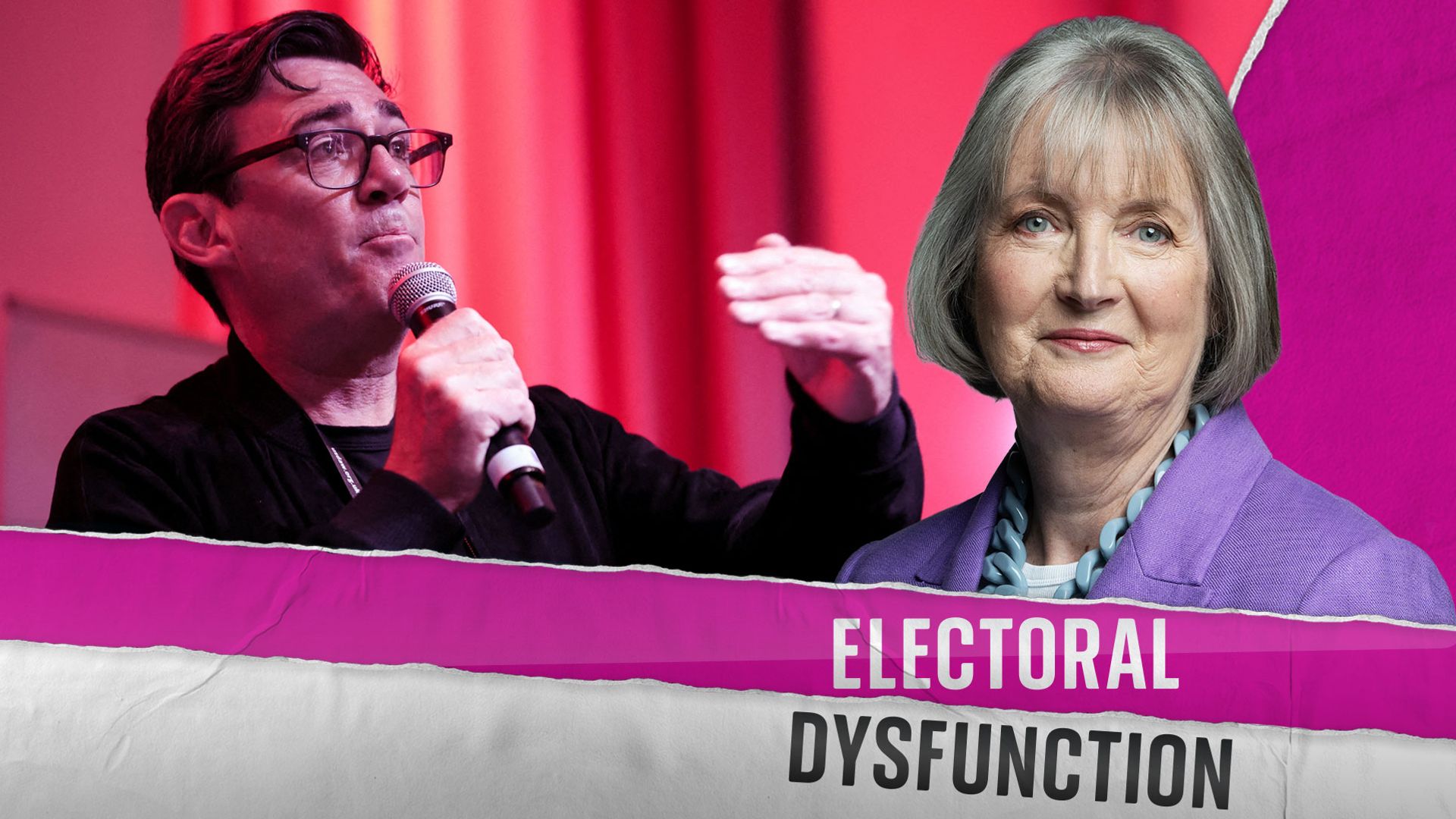
The Rising Challenge to Starmer’s Leadership
Sir Keir Starmer, who has served as Labour leader since 2020, has faced mounting criticism within his own party amid disappointing election results and internal divisions. While political leadership transitions are not uncommon in UK politics, Harriet Harman’s description of the situation as a “stampede” highlights the urgency and intensity of the dissatisfaction among Labour ranks.
Andy Burnham, former Mayor of Greater Manchester and a prominent figure in Labour politics, has emerged as a leading contender to replace Starmer. Burnham’s reputation as a pragmatic and popular politician, especially his high-profile handling of public health and social issues during his mayoralty, has bolstered his standing within the party and among voters.
The metaphor of a “herd stampeding” vividly captures the accelerating momentum against Starmer. This suggests that the party’s discontent has moved beyond isolated complaints to a widespread, coordinated push for change in leadership.
Why Andy Burnham Is Gaining Support
Burnham’s appeal lies in his blend of experience and relatability. His tenure as Health Secretary and later as Mayor showcased his ability to navigate complex policy challenges while maintaining strong public support. Labour members looking for a leader capable of uniting the party and reenergizing its electoral prospects see Burnham as a fresh yet steady hand.
In contrast, Starmer’s leadership has been criticized for perceived indecisiveness and failure to connect with traditional Labour voters. These criticisms intensified following the party’s poor performance in recent local and national elections, prompting calls from within to reconsider the leadership strategy.
Moreover, Burnham’s public persona as a champion of working-class communities and his practical approach to governance resonate in key Labour strongholds. His experience managing Greater Manchester’s response to the COVID-19 pandemic further strengthened his credentials as a leader capable of handling crisis situations effectively.
What This Means for Labour and UK Politics
The possibility of Andy Burnham ascending to Labour’s leadership carries significant implications for the party’s future direction. A leadership change could signal a shift towards policies more focused on social welfare, regional development, and grassroots engagement, potentially revitalizing Labour’s appeal ahead of the next general election.
However, leadership transitions also carry risks of internal strife and public perception challenges. The party will need to manage the transition carefully to maintain unity and avoid alienating factions loyal to Starmer. The “stampede” metaphor used by Harman underscores the urgency but also hints at the potential volatility of the current political moment.
For the broader UK political landscape, a Burnham-led Labour Party might adopt a more assertive stance on issues like economic inequality, public health, and regional autonomy—areas where Burnham has previously demonstrated strong leadership. This could reshape political debates and voter alignments in the coming years.
Looking Ahead: The Road to Labour’s Leadership Decision
As the party navigates this turbulent period, all eyes will be on the internal discussions and potential leadership contests that may unfold. While Harriet Harman’s comments underscore the growing momentum behind Burnham, formal decisions and party mechanisms will ultimately determine the outcome.
Labour members and supporters will be closely watching how this “stampede” evolves. Whether it results in a decisive leadership change or a reaffirmation of Starmer’s position, the developments will profoundly influence the party’s strategy and effectiveness as the main opposition force in British politics.
In the meantime, the unfolding drama reflects deeper questions about Labour’s identity, priorities, and capacity to connect with a changing electorate—a challenge that Andy Burnham, if he takes the helm, will face head-on.