A fierce legal confrontation looms as the consortium backing a rescue bid for Thames Water, the United Kingdom’s largest water utility, prepares to fight the government led by Andy Burnham over proposed nationalisation. The investors are gearing up for a multibillion-pound lawsuit should the Labour government move forward with forcibly bringing the company into public ownership.
Who Are the Key Players and What Is at Stake?
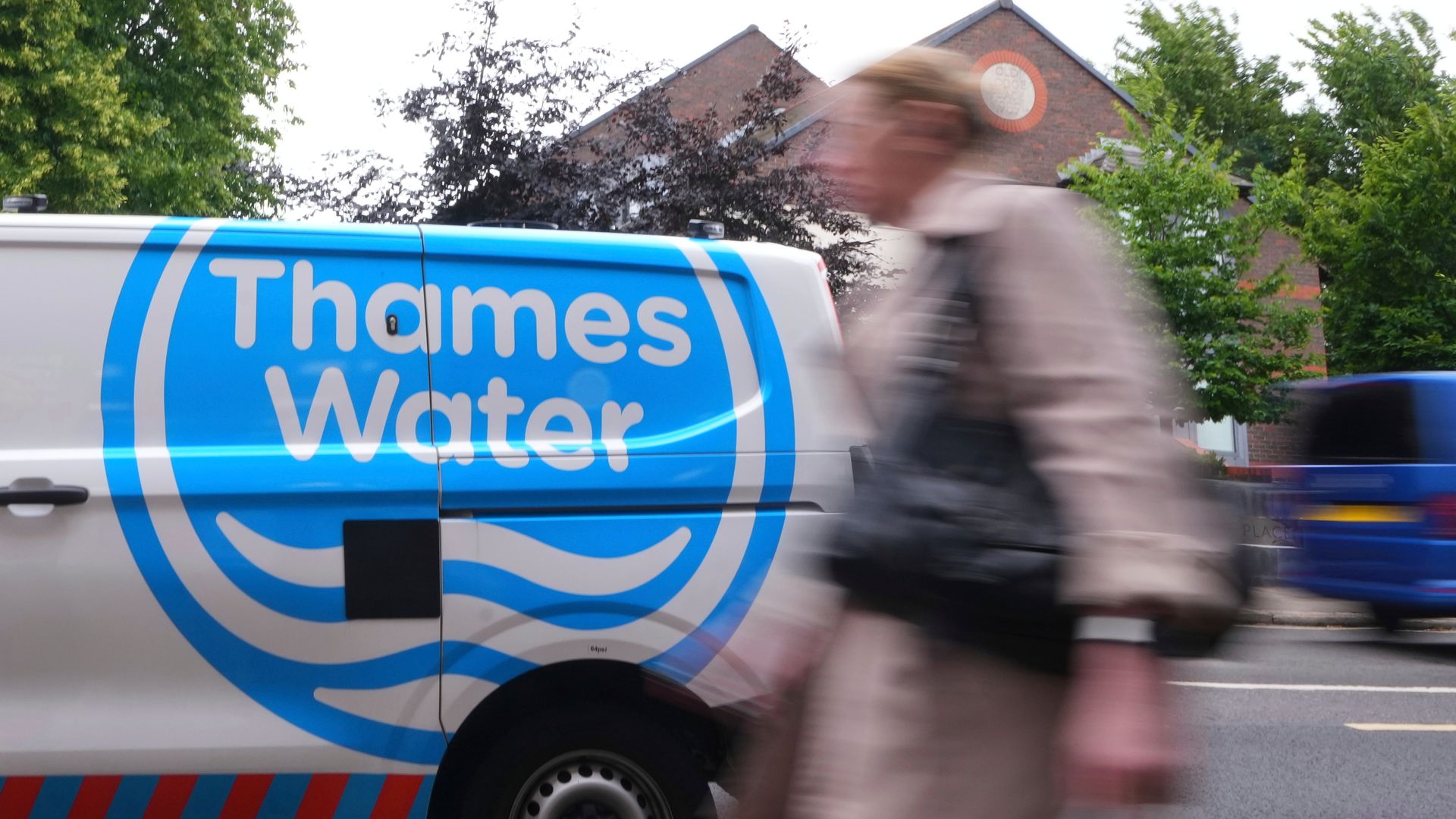
Thames Water serves millions across London and the South East, supplying water and managing wastewater for one of the most densely populated regions in the UK. The company has faced rising financial pressures in recent years, prompting private investors to initiate a rescue bid aimed at stabilising its operations and safeguarding critical infrastructure.
At the heart of this dispute is Andy Burnham, the newly elected Labour leader and Mayor of Greater Manchester, who has publicly advocated for the nationalisation of essential utilities such as water. Burnham’s stance aligns with a broader political movement seeking to bring vital services under public control to ensure affordability, environmental responsibility, and long-term sustainability.
The investors behind the rescue bid include a consortium of private equity firms and institutional backers who have poured substantial capital into Thames Water. They view the company as a valuable asset with significant growth potential, despite current challenges. The prospect of forced nationalisation threatens to wipe out their investments and undermine confidence in public-private partnerships across the sector.
What Triggered the Threat of Legal Action?
The origins of the legal conflict trace back to Burnham’s government signaling plans to accelerate nationalisation policies for water companies, citing concerns over price hikes, environmental compliance failures, and infrastructure decay. Thames Water, already struggling with regulatory fines and public criticism, became a prime target for public ownership proposals.
In response, the investor group has declared its intent to resist compulsory acquisition through the courts. Their legal strategy centers on contesting the valuation methodology and the compensation framework the government might apply. They argue that any nationalisation must be fair, transparent, and compliant with both UK and international laws protecting shareholder rights.
This looming legal battle is expected to involve complex litigation potentially spanning years, with billions of pounds at risk. The investors have signaled readiness to challenge any legislation or executive action perceived as undermining their property rights or breaching contractual obligations.
Why This Dispute Matters to the UK’s Water Sector and Beyond
The stakes extend far beyond Thames Water and its investors. This conflict encapsulates the broader debate over the future of essential utilities in the UK. Nationalising water companies would mark a dramatic shift in policy, reversing decades of privatisation and potentially reshaping the regulatory landscape.
Supporters of nationalisation argue it would prioritize public interest, enhance environmental stewardship, and stabilize pricing for consumers. Critics warn it could deter private investment, complicate infrastructure upgrades, and lead to costly legal disputes that burden taxpayers.
For customers, the outcome could affect water bills, service quality, and environmental outcomes. For investors and private firms, the case sets a precedent on how governments can intervene in critical sectors and handle compensation for seized assets.
Moreover, the dispute will test the UK’s legal frameworks balancing public good against private property rights, with implications for other industries facing similar pressures, such as energy and transport.
What Comes Next?
The next steps depend heavily on Burnham’s government’s policy trajectory and willingness to negotiate with investors. Should nationalisation proceed, the legal challenge will likely intensify, triggering extensive court proceedings and public debate.
Conversely, there may be room for compromise, such as structured buyouts or regulatory reforms that address public concerns while preserving investor interests.
Ultimately, the struggle over Thames Water illuminates a critical crossroads in the UK’s approach to managing essential services amid financial, environmental, and political challenges. The resolution will shape the future of water governance for years to come.
In summary, Thames Water’s investors are preparing a high-stakes legal battle to protect their investments against Andy Burnham’s push for nationalisation. This conflict highlights the complex intersection of public policy, private capital, and fundamental infrastructure, underscoring the pressing need for balanced solutions that secure reliable water services while respecting legal and financial realities.