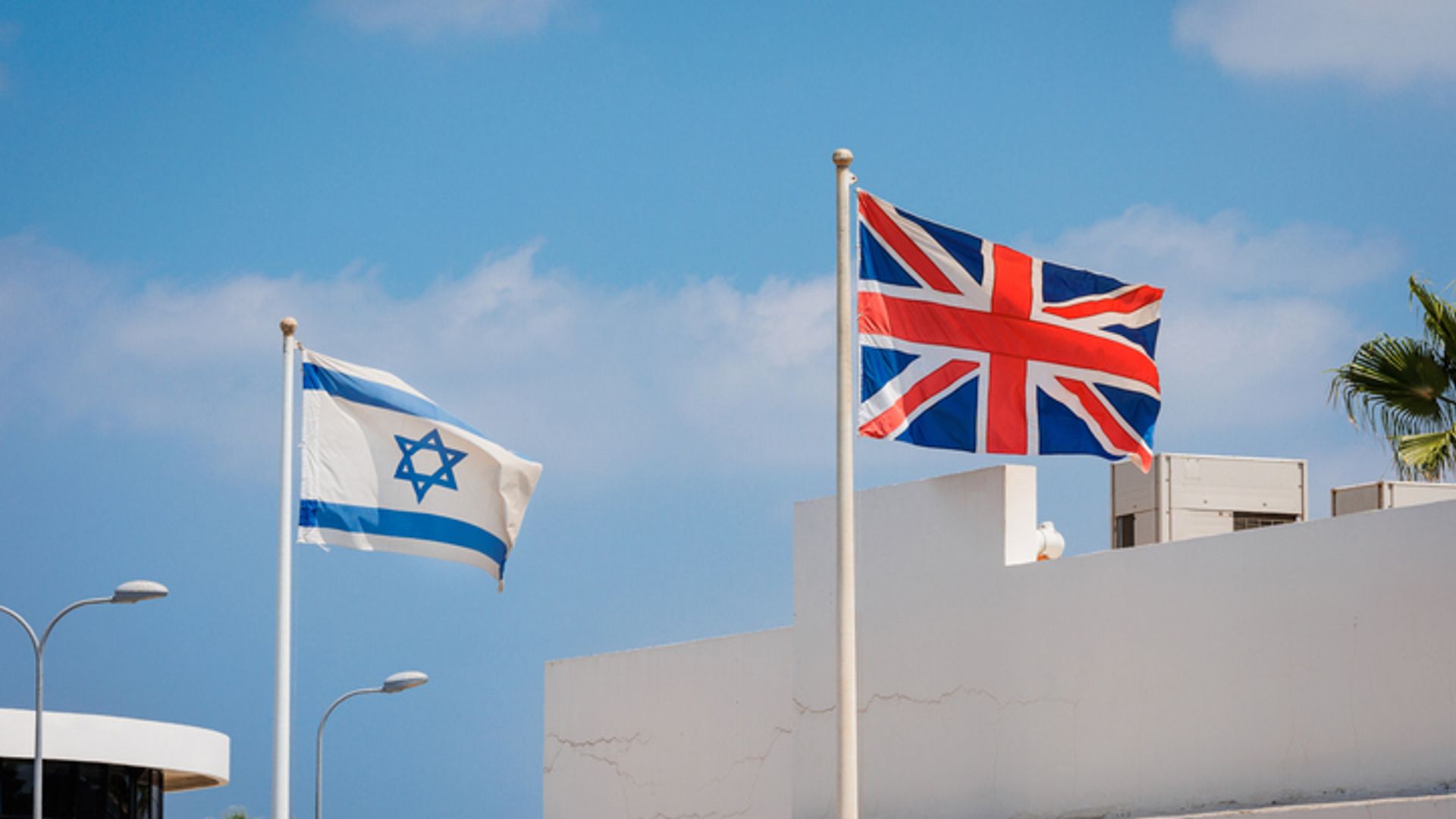
The United Kingdom seriously contemplated suspending its trade agreement with Israel following a detailed impact assessment conducted last summer. This move underscores the complexity and sensitivity surrounding international trade relations amid evolving political and economic landscapes.
Background: UK-Israel Trade Relations and the Assessment
The UK and Israel have maintained a robust trade relationship, especially in the wake of Brexit, when the UK sought to establish independent trade agreements outside the European Union framework. The trade agreement with Israel facilitates tariff-free exchanges of goods and services, benefiting businesses and consumers on both sides.
Last summer, UK officials carried out an extensive impact assessment to evaluate the potential consequences of suspending this trade agreement. Such assessments analyze economic ramifications, legal obligations, and diplomatic repercussions, serving as a critical step before making decisions that could disrupt international commerce.
Reasons and Considerations Behind the Potential Suspension
While the exact motivations behind the UK’s consideration to pause the agreement remain largely confidential, suspensions of trade agreements typically arise from political disagreements, human rights concerns, or violations of international law. Governments weigh these factors against economic interests to ensure their foreign policies align with national values and strategic goals.
The impact assessment would have examined how suspension could affect UK businesses reliant on Israeli imports and exports, as well as the broader economic impact on sectors such as technology, pharmaceuticals, and agriculture, where Israel is a significant trade partner.
Moreover, the UK had to consider its diplomatic relationship with Israel, which plays a crucial role in the Middle East’s geopolitical landscape. Any suspension could influence not only trade but also collaboration on security, intelligence sharing, and regional stability efforts.
What This Means for the Future of UK-Israel Trade
Although the UK ultimately did not suspend the agreement, the very act of conducting an impact assessment signals the government’s readiness to reassess trade partnerships in light of evolving circumstances. This strategic approach allows for flexibility and responsiveness to international developments.
For businesses and stakeholders, this episode underscores the importance of monitoring political developments that can swiftly affect trade dynamics. Companies engaged in UK-Israel trade should remain vigilant and prepare for potential regulatory changes that could arise from future policy reviews.
Looking ahead, the UK’s decision-making process likely involves balancing economic benefits with ethical and diplomatic considerations. This approach reflects a broader global trend where trade agreements are increasingly scrutinized for their alignment with human rights and international norms.
Why It Matters
The UK’s contemplation of suspending its trade agreement with Israel highlights the intricate intersection of economics, politics, and ethics in international trade. Trade agreements are not merely economic tools but also instruments of foreign policy that can promote or challenge national values.
This case exemplifies how governments must navigate complex decisions that can ripple across global markets and diplomatic relations. For the UK, maintaining a stable yet principled trade policy is vital as it seeks to establish its post-Brexit identity on the world stage.
Ultimately, this development serves as a reminder that trade agreements are living documents, subject to review and modification as global circumstances evolve. Stakeholders must stay informed and adaptable to the shifting contours of international trade policies.