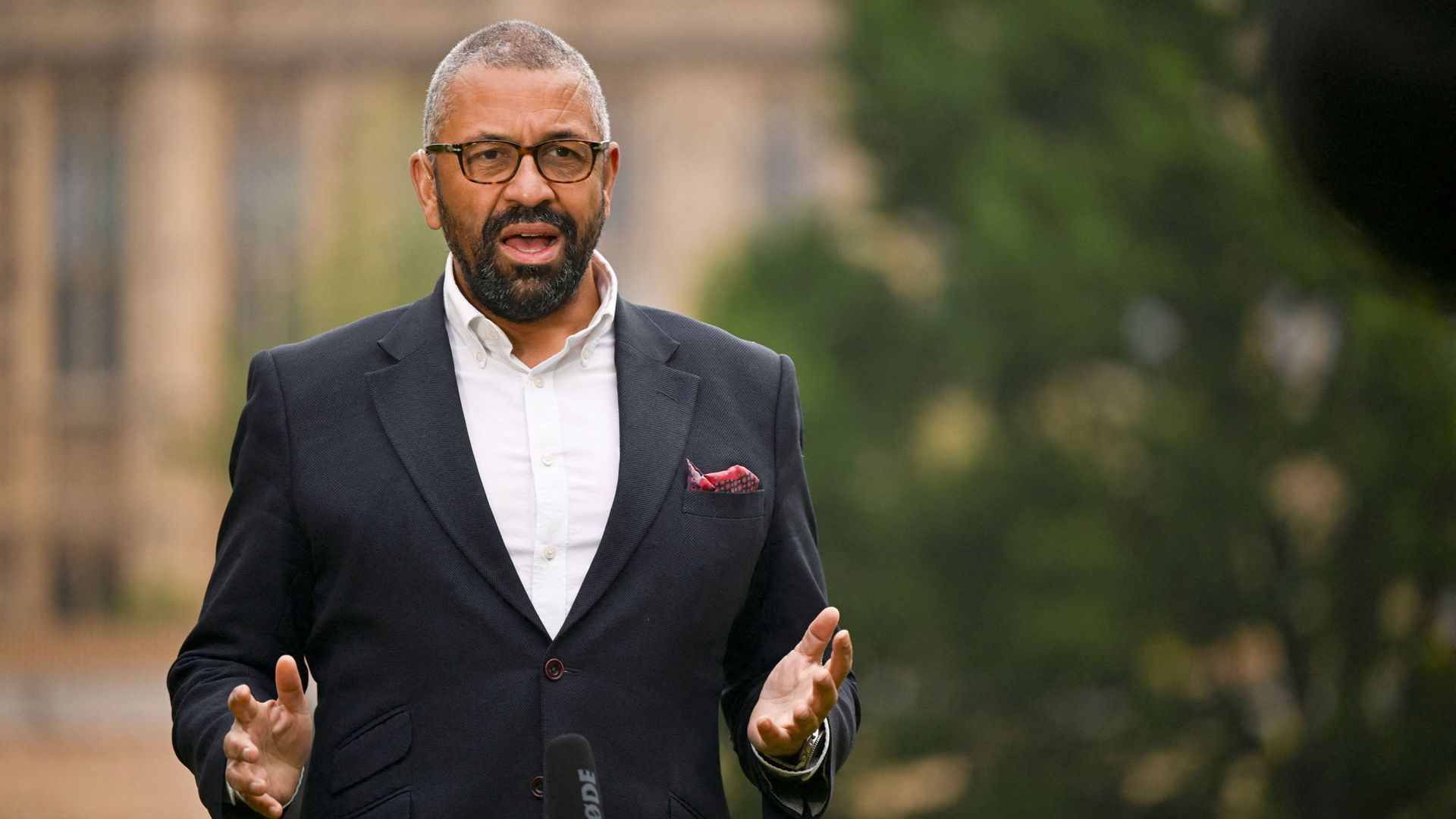
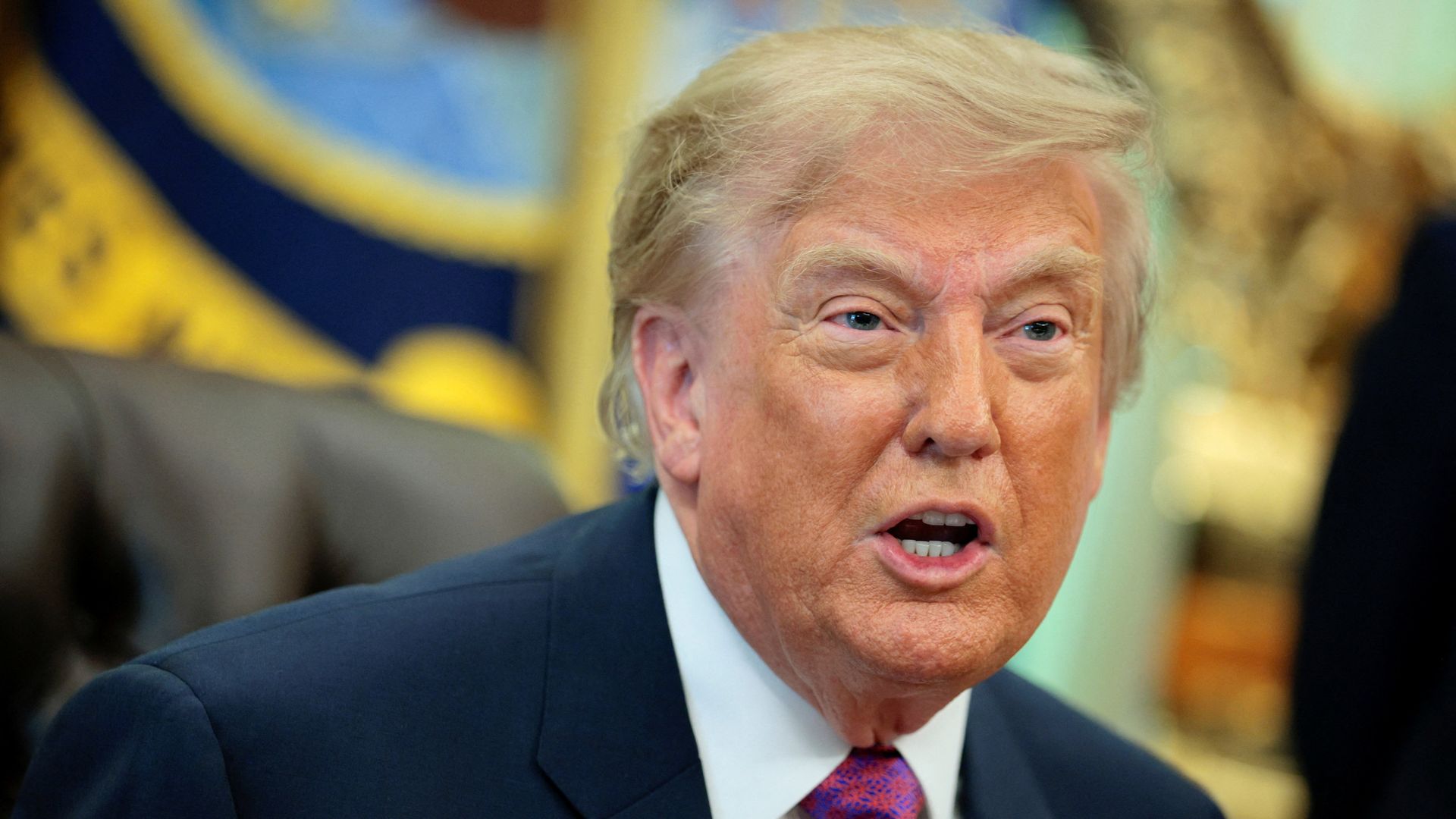
The ex-CEO of Southern Water now faces serious legal charges, including conspiracy to defraud, alongside three other former employees. This development marks a significant escalation in the investigation into alleged manipulation of water quality tests, a scandal that has cast a shadow over one of the UK’s major utility providers.
Details of the Charges and Allegations
Authorities have formally charged the former Southern Water CEO and three colleagues with conspiracy to defraud. The allegations center on a deliberate scheme to manipulate water quality testing processes. This manipulation reportedly aimed to present falsified results, potentially concealing failures to meet regulatory standards.
Water quality testing is a critical safeguard designed to ensure that drinking water is safe, clean, and compliant with stringent environmental and public health regulations. The charges suggest a coordinated effort within the company to undermine these safeguards, raising profound concerns about public safety and corporate governance.
Background: Southern Water and the Water Quality Scandal
Southern Water serves millions of customers across the south of England, providing essential water and wastewater services. Over recent years, the company has faced scrutiny over environmental breaches and regulatory failings, including illegal discharges into rivers and coastal waters.
This latest legal action stems from investigations into whether Southern Water staff deliberately distorted water quality data to avoid penalties and regulatory intervention. The alleged scheme, if proven, would represent a serious breach of trust, not only undermining regulatory frameworks but also potentially exposing customers and ecosystems to health risks.
Regulators and environmental watchdogs have long been concerned about the company’s compliance culture. The involvement of senior executives, including the former CEO, highlights systemic issues in leadership and accountability within Southern Water.
Why This Matters: Implications for Public Health and Corporate Accountability
Water quality is a foundational element of public health infrastructure. Manipulating test results jeopardizes the safety of millions who rely on safe drinking water. Such actions can lead to undetected contamination, increased risk of disease, and long-term environmental damage.
Beyond public health, this case underscores the importance of transparency and ethical conduct within utility companies. The water industry operates under strict regulations designed to protect consumers and the environment. When those tasked with upholding these standards are implicated in fraud, confidence in the entire sector suffers.
The charges against the former CEO and his colleagues send a strong message to other companies and executives: regulatory compliance and ethical behavior are non-negotiable. This case may prompt tighter oversight and reforms aimed at preventing similar misconduct in the future.
What Comes Next in the Legal Process
The individuals charged will now face the judicial process, where prosecutors will present evidence to support claims of conspiracy to defraud. The legal proceedings will scrutinize the extent of the alleged manipulation and the roles played by each accused party.
Southern Water, meanwhile, continues to grapple with reputational damage and regulatory pressure. The company has pledged to cooperate fully with investigations and to implement reforms to restore trust.
This case also serves as a critical test of enforcement agencies’ ability to hold utility companies accountable for corporate wrongdoing, potentially shaping future regulatory practices across the sector.
Looking Ahead: Lessons and Reforms
The Southern Water fraud charges highlight the urgent need for robust oversight mechanisms in essential service industries. Ensuring water safety requires not only technical testing but also a corporate culture that prioritizes integrity and public welfare over profit or convenience.
As the case unfolds, stakeholders—including regulators, customers, and environmental groups—will watch closely. The outcome could influence policy decisions and industry standards for years to come.
In conclusion, the charging of Southern Water’s former CEO and other executives represents a pivotal moment for water industry accountability. It underscores the vital importance of ethical leadership in protecting public health and maintaining trust in essential services.