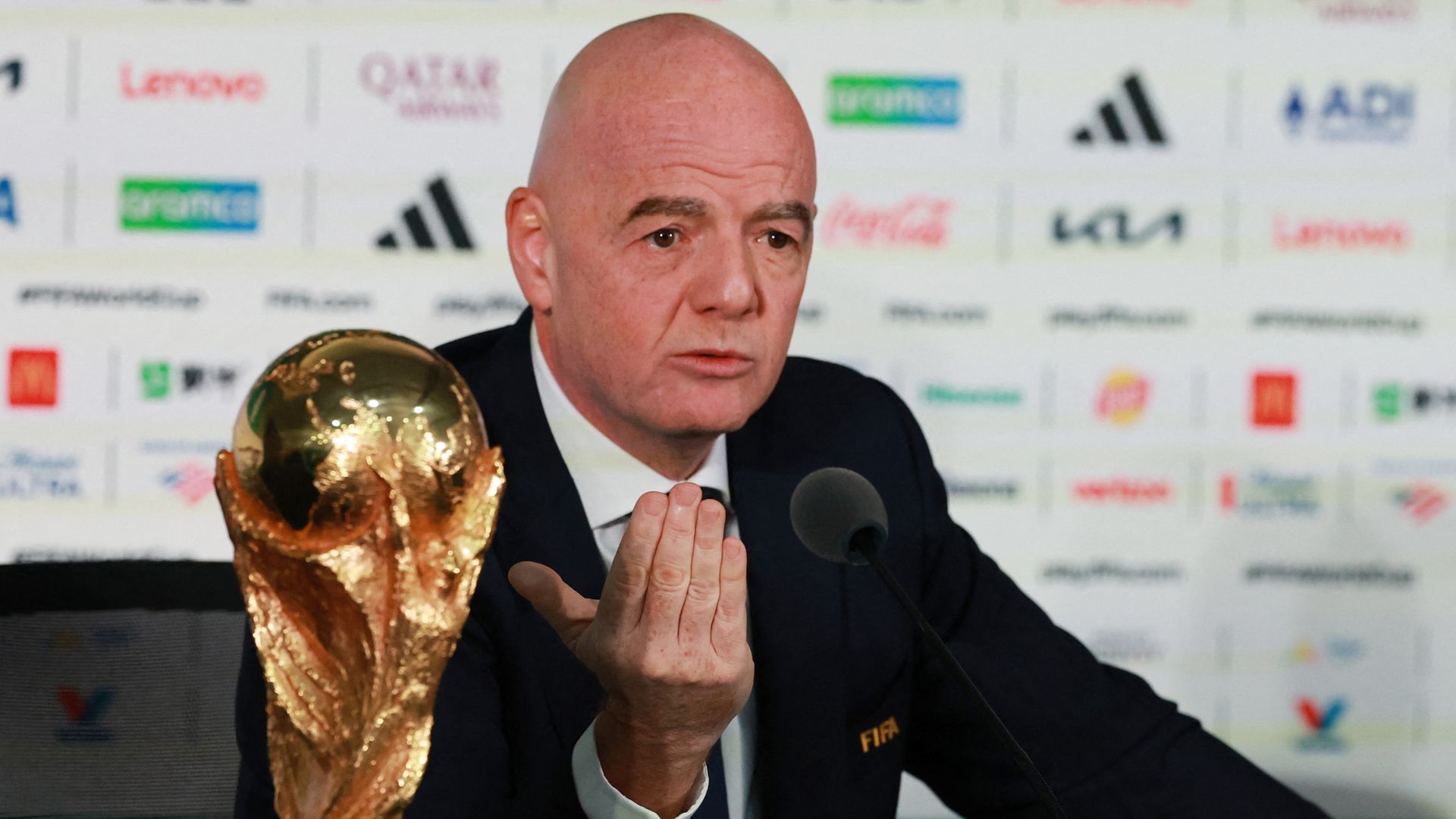
European football’s governing body prepares for urgent discussions today amid growing tensions sparked by FIFA’s controversial plan to sell stakes in its competitions. This unprecedented move has ignited fierce opposition from key stakeholders across the football world, threatening to reshape the sport’s governance and financial landscape.
What Sparked the Emergency Meeting?
FIFA recently unveiled a proposal to monetize its flagship tournaments by offering external investors a share in the competitions. This strategy represents a significant shift from traditional funding models, which have historically relied on broadcasting rights, sponsorships, and ticket sales.
The plan has drawn immediate criticism from the Union of European Football Associations (UEFA). UEFA’s leadership views this as a direct challenge to their authority and an unwelcome intrusion into the governance of international football events. In response, UEFA has called for an emergency meeting to deliberate on the implications and coordinate a collective stance.
Sources close to the situation suggest that the emergency talks will focus on potential countermeasures, including a possible boycott of FIFA tournaments by European national teams and clubs. Such a boycott could dramatically disrupt upcoming events like the World Cup, raising the stakes for all parties involved.
Why This Proposal Matters for Global Football
The proposal to sell stakes signals a broader trend of commercialization and privatization in sports management, but it also raises critical questions about governance, transparency, and the preservation of sporting integrity.
FIFA controls some of the most lucrative football competitions worldwide, including the World Cup, which commands massive global viewership and generates billions in revenue. By inviting private investment, FIFA aims to unlock new capital streams to enhance the quality and reach of its tournaments.
However, critics argue that such a move risks prioritizing profit over the sport’s values. They warn that private stakeholders could exert undue influence on competition rules, scheduling, and even player eligibility, potentially undermining fairness and the spirit of the game.
Moreover, UEFA and other confederations fear losing control over their competitions and question how this shift might affect the distribution of revenues and the involvement of national associations in decision-making processes.
What’s Next: The Road Ahead for FIFA and UEFA
The emergency meeting scheduled today will be pivotal. UEFA’s response could set a precedent for how football’s governing bodies navigate the tension between commercialization and traditional governance. A coordinated boycott would represent a dramatic escalation and could force FIFA to reconsider or modify its proposal.
Meanwhile, the broader football community—players, fans, and sponsors—are watching closely. The outcome of these talks will influence not only the business of football but also the sport’s cultural and social fabric worldwide.
As negotiations unfold, stakeholders must balance financial innovation with safeguarding football’s core principles. This conflict highlights the challenges sports organizations face in an era of increasing commercial pressures.
In summary, today’s emergency discussions mark a critical juncture for international football. The decisions made could redefine how competitions are financed and governed for years to come, affecting millions of fans and athletes globally.