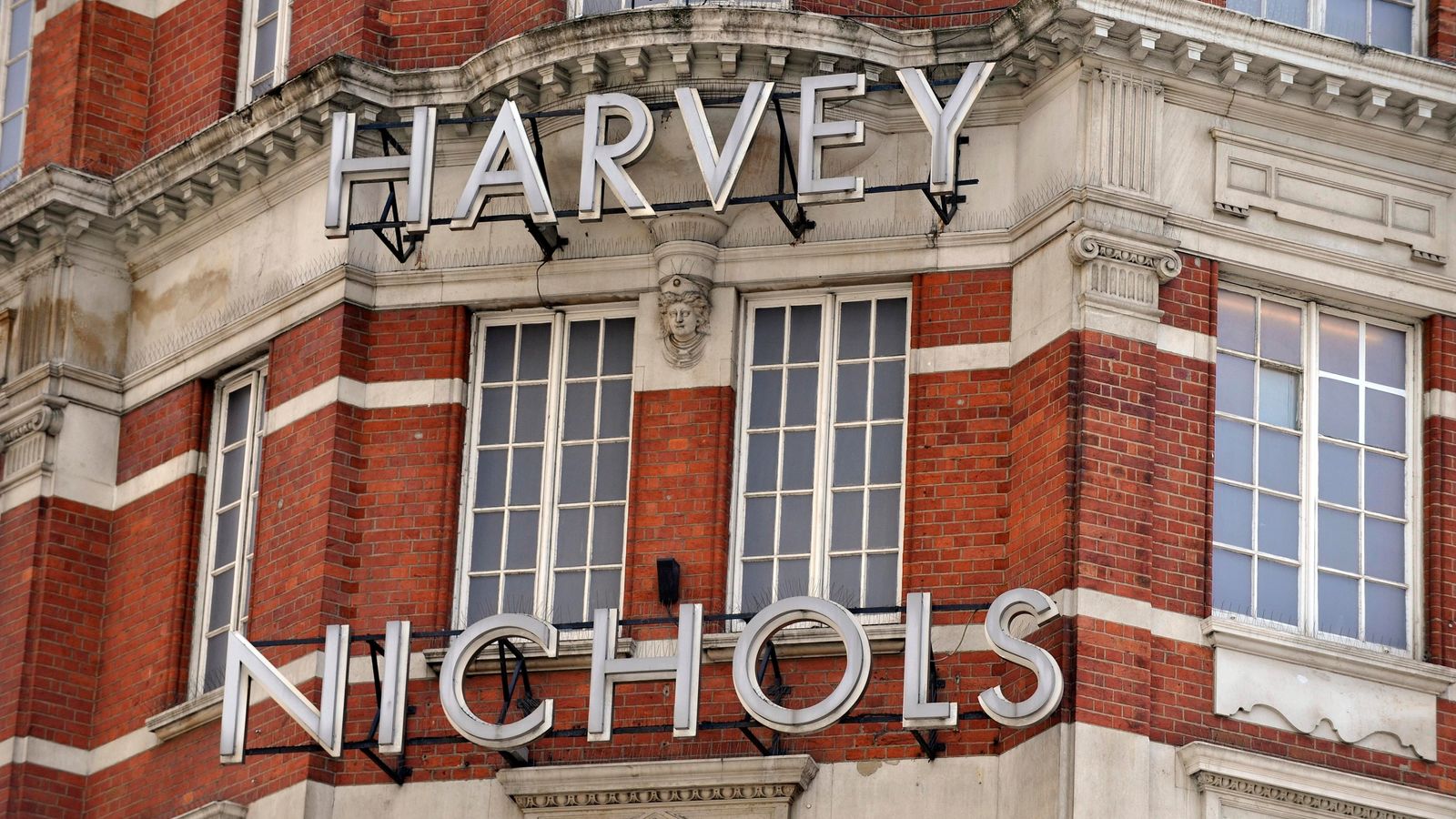
Poundland’s parent company has emerged as a serious contender in the race to acquire Harvey Nichols, the iconic luxury department store chain based in Knightsbridge, London. This move signals a potentially transformative shift in the ownership and future strategy of one of Britain’s most prestigious retail brands.
Who Owns Harvey Nichols and What’s at Stake?
Harvey Nichols is renowned for its high-end fashion, beauty, and lifestyle offerings, attracting discerning shoppers both in the UK and internationally. The chain has built a reputation for premium brands and exclusive products, setting it apart from typical department stores.
Currently, Harvey Nichols is owned by a private equity firm that is considering its next steps carefully. After years of navigating a challenging retail environment marked by shifting consumer behaviors and economic uncertainty, the owner is nearing a decision on whether to sell the company.
The sale process has attracted significant interest, with multiple potential buyers evaluating the opportunity to acquire this luxury retail jewel. The entry of Poundland’s owner adds a new dynamic to the discussions.
Poundland Owner’s Strategic Move
The company behind Poundland is best known for its discount retail model, offering value products at low prices. Its interest in Harvey Nichols might seem unconventional given the stark contrast in brand positioning. However, this bid reflects a broader trend of retail consolidation and diversification.
By acquiring Harvey Nichols, the Poundland owner could leverage the luxury store’s upscale market presence while potentially introducing operational efficiencies and new growth strategies. This could reshape both brands’ trajectories in a competitive retail landscape.
The suitor’s offer underscores its ambition to expand beyond discount retail and tap into the lucrative luxury sector, which, despite recent challenges, continues to attract affluent consumers globally.
Why This Matters for UK Retail
The potential sale of Harvey Nichols comes at a pivotal moment for UK retail, which has been undergoing significant transformation due to online shopping growth, changing consumer preferences, and economic pressures.
Harvey Nichols’ future ownership will influence its ability to innovate and compete with other luxury retailers. The new owner’s vision will be crucial in determining how the brand evolves, whether through digital expansion, store refurbishments, or international growth.
Moreover, the involvement of a discount retail giant signals a blurring of traditional retail categories, where companies seek to broaden their portfolios and adapt to new market realities.
Looking Ahead: What to Expect
The current owner of Harvey Nichols is expected to announce its decision soon, with the Poundland owner among the frontrunners competing for the acquisition. The outcome will have wide-reaching implications for employees, suppliers, and customers of Harvey Nichols.
Industry observers will be watching closely to see how the new ownership shapes the department store’s strategy, particularly in balancing heritage and modern retail demands.
In summary, the bid from Poundland’s parent company introduces fresh possibilities for Harvey Nichols at a critical juncture, highlighting the evolving nature of retail ownership and the ongoing quest for growth in a complex market.