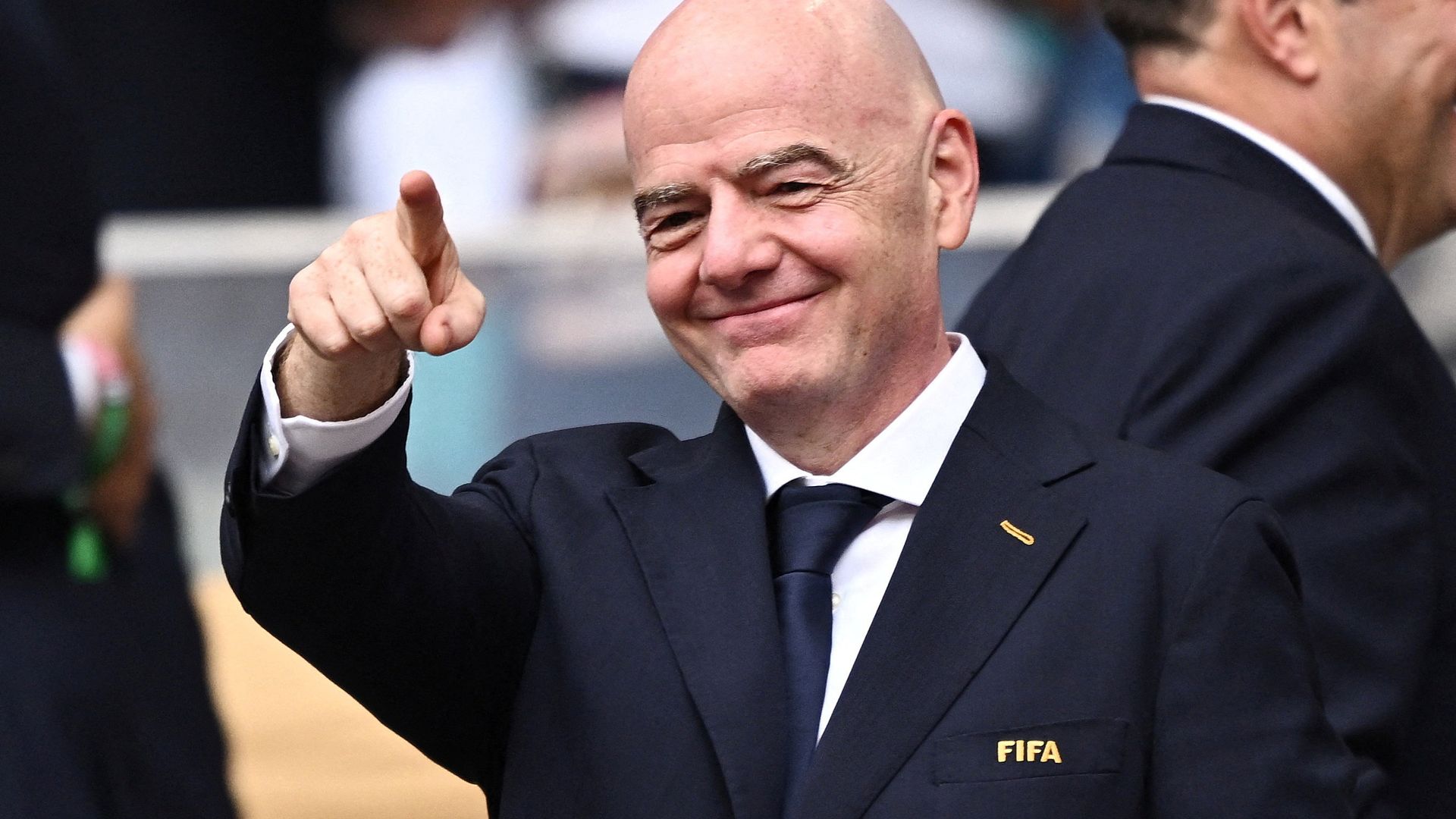
Gianni Infantino, the current president of FIFA, is encountering a significant erosion of support as tensions rise over his plans to partially privatize the World Cup. This development has sparked a fierce backlash, with several European football nations threatening to boycott the tournament if Infantino proceeds with selling stakes in the event to private investors.
What’s Driving the Backlash Against Infantino?
At the core of the controversy is Infantino’s proposal to introduce private investment into the FIFA World Cup, a move viewed by many as a pivotal shift from FIFA’s traditional governance and funding model. The plan would allow private entities to acquire a share in the tournament’s commercial rights, potentially altering how profits and control are distributed.
This initiative has alarmed key European football associations, which fear that private investors may prioritize profit over the sport’s integrity and accessibility. These associations are worried about the long-term implications for the sport’s governance, competitive fairness, and the global fan experience. As a result, several prominent European nations have publicly declared their intent to boycott the World Cup should Infantino implement these changes.
Why European Nations Are Taking a Stand
Europe has historically been a dominant force in international football, not only on the pitch but also in terms of governance and influence within FIFA. The continent’s football federations have a vested interest in preserving the World Cup as an event that prioritizes sport over commercial interests.
The proposed privatization threatens to disrupt the balance of power in FIFA and the global football community. European nations argue that selling stakes to private investors could lead to unequal influence, with financial powerhouses potentially overshadowing smaller or less wealthy football associations. This could undermine the spirit of international competition and the inclusive nature of the World Cup.
Additionally, concerns about transparency and accountability in managing private investments have fueled skepticism. European football bodies emphasize that the World Cup should remain a publicly governed event, ensuring that decisions serve the interests of players, fans, and national federations rather than external investors.
What This Means for FIFA and the Future of the World Cup
Infantino’s presidency has already faced scrutiny over governance and ethics issues, and this new controversy compounds the challenges to his leadership. The mounting opposition from European nations not only threatens the success of the upcoming World Cup but also jeopardizes Infantino’s position as FIFA president.
The potential boycott represents a serious fracture within the global football community. If realized, it could diminish the tournament’s prestige, impact sponsorship deals, and reduce global viewership, creating significant financial and reputational risks for FIFA.
For Infantino, the stakes are exceptionally high. His ability to navigate this crisis will determine not only the immediate future of the World Cup but also the broader direction of FIFA’s governance. Maintaining unity among member associations is critical to sustaining FIFA’s authority and the World Cup’s status as football’s premier event.
Looking Ahead: The Road to Resolution
The coming months will be crucial as FIFA and European football federations engage in intense negotiations. The outcome of these discussions will shape the governance model of the World Cup and influence the global football landscape for years to come.
Stakeholders are calling for transparency, inclusive decision-making, and safeguards to protect the sport’s core values. How FIFA responds to these demands will either restore confidence in Infantino’s leadership or accelerate calls for change at the organization’s highest level.
In summary, Gianni Infantino’s proposal to sell part of the World Cup to private investors has ignited fierce opposition from European nations, threatening his presidency and the future of football’s flagship tournament. The unfolding situation underscores the delicate balance between commercial interests and preserving the integrity of the world’s most beloved sport.