

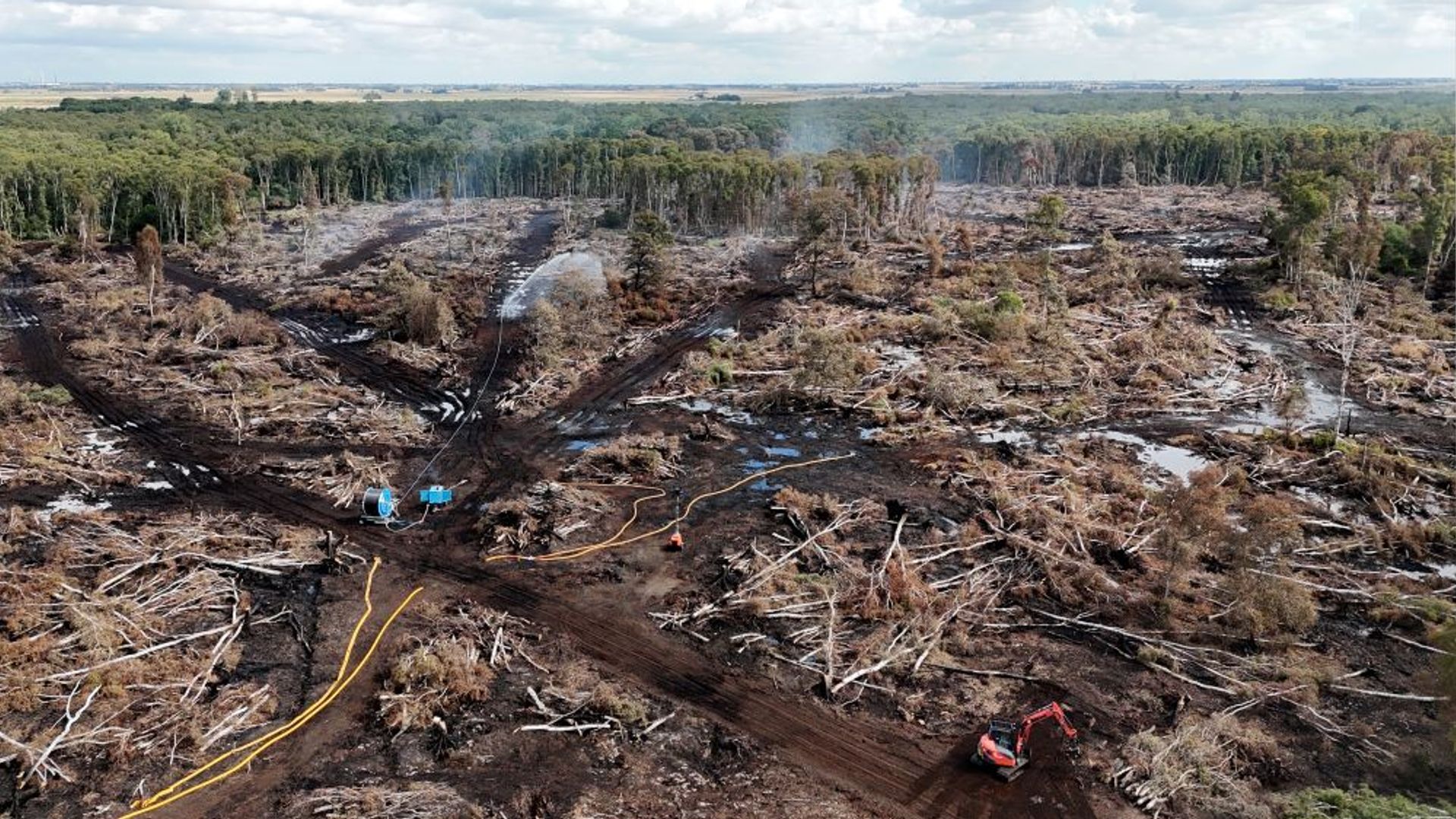
Fire crews in Cambridgeshire remain locked in a demanding battle to contain a vast peatland fire that has persisted for more than 11 days. Aerial images reveal the extensive scale of the blaze, underscoring the challenges firefighters face in taming this stubborn and environmentally sensitive fire.
The Ongoing Battle: What Firefighters Are Facing
Since igniting, the peat fire has proven exceptionally difficult to extinguish due to the unique nature of peat soil. Peatlands consist of partially decomposed organic matter that can smolder beneath the surface for weeks or even months, making fires in these areas notoriously persistent and hazardous.
Firefighters have had to deploy specialized strategies and equipment to combat the blaze. Standard firefighting techniques often prove less effective on peat fires because the fire can burn underground, allowing it to spread unseen and reignite surface flames. This subterranean nature demands continuous monitoring and targeted water application to saturate the affected peat layers thoroughly.
The aerial images circulating highlight the vast area impacted by the fire, with smoke plumes visible from miles away. These visuals help emergency teams assess the fire’s progression and allocate resources effectively. However, the sheer size and complexity of the fire zone have made containment a slow and arduous process.
Why the Peatland Fire Matters: Environmental and Community Impact
Peatland fires carry significant environmental consequences. Peatlands act as crucial carbon sinks, storing vast amounts of carbon that, if released through burning, contribute heavily to greenhouse gas emissions and climate change acceleration. The ongoing blaze threatens to release stored carbon into the atmosphere, undermining efforts to reduce emissions.
Moreover, the fire poses risks to local ecosystems and wildlife habitats. Peatlands support specialized flora and fauna adapted to their wet, acidic conditions. The destruction of these habitats can have long-term detrimental effects on biodiversity.
Residents in surrounding areas face disruptions from smoke and poor air quality. The smoke can exacerbate respiratory issues and reduce visibility, creating additional hazards on local roads. Emergency services have issued warnings and advised communities to take precautions while firefighting efforts continue.
What Comes Next: Firefighting Efforts and Future Outlook
Firefighters are expected to maintain a vigilant presence until the fire is fully extinguished, a process that could take weeks given the fire’s subterranean nature. Efforts include continuous water application, creation of firebreaks, and regular aerial surveys to detect any flare-ups promptly.
Authorities are also evaluating long-term peatland management practices to reduce the risk of future fires. This includes restoring water levels in peat soils to keep them moist, which lowers their flammability, and increasing monitoring during dry periods when fire risks escalate.
Public awareness and cooperation remain vital. Officials urge locals to avoid activities that could spark new fires, such as burning debris or using machinery that produces sparks, particularly during dry weather conditions.
Looking Ahead: The Broader Implications
The prolonged fire in Cambridgeshire highlights the growing challenges of managing peatland environments amid changing climate conditions. Increasing temperatures and droughts heighten the risk of peat fires, which in turn exacerbate environmental damage and carbon emissions.
This incident underscores the urgent need for enhanced fire prevention strategies, improved emergency response capabilities, and comprehensive peatland conservation efforts across the UK. Protecting these vital ecosystems not only preserves biodiversity but also plays a key role in climate change mitigation.
As firefighters continue their tireless work in Cambridgeshire, the situation serves as a stark reminder of the resilience required to protect natural landscapes from increasingly frequent and severe wildfires.