

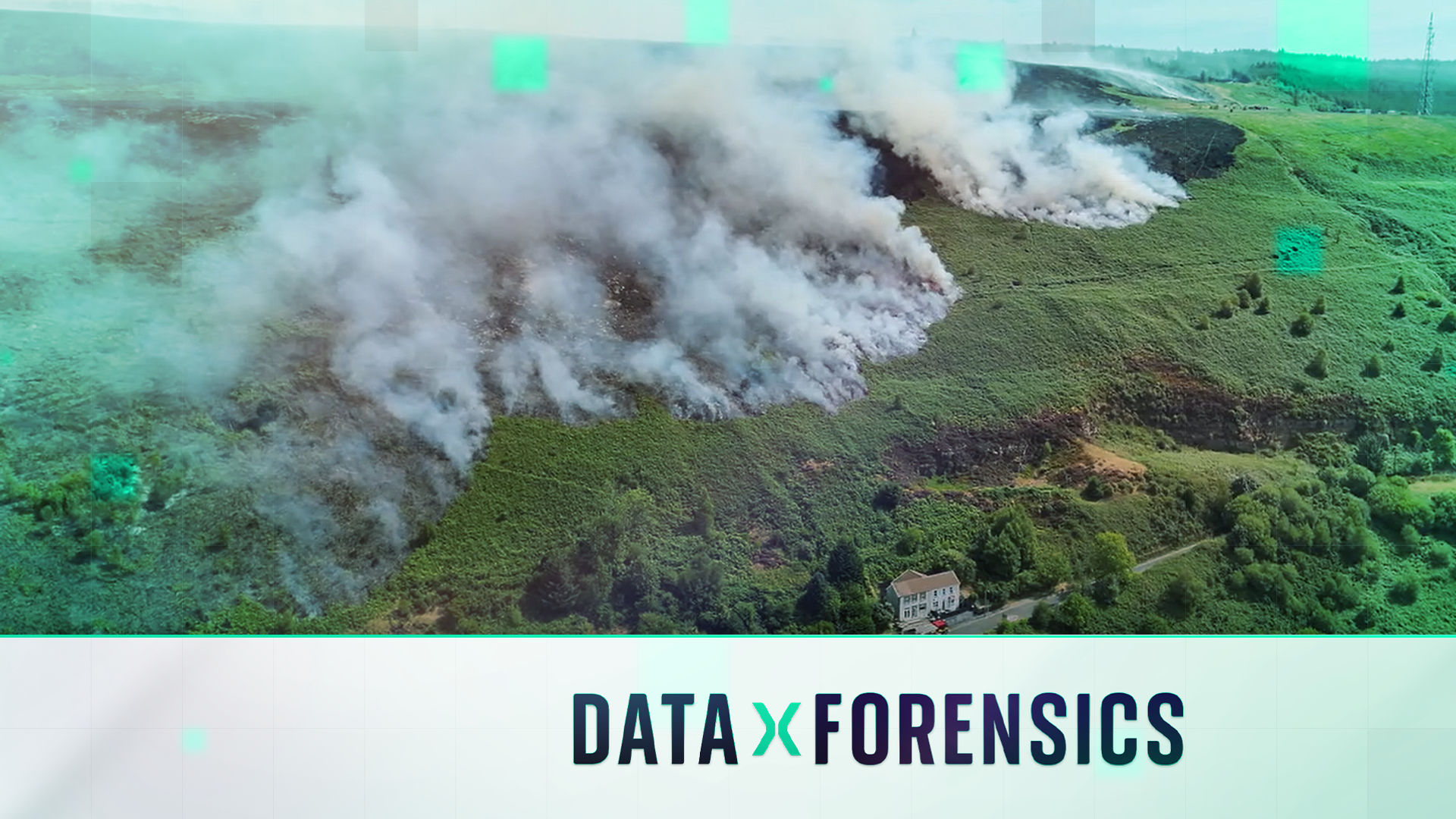
The United Kingdom is grappling with a wildfire crisis unlike any before, as fires this summer have expanded across larger landscapes, persisted for longer durations, and surged dangerously close to residential areas. Detailed analysis by Sky News’ Data and Forensics team reveals a sharp escalation in both the scale and intensity of wildfires, underscoring a growing environmental and public safety challenge.
Unveiling the Scale: How Wildfires Are Growing in Size and Duration
Wildfires historically have been a relatively rare occurrence in the UK, traditionally confined to smaller patches of heathland and moorland. However, this year’s data paints a starkly different picture. Fires are now engulfing substantially larger areas than in previous summers, with some blazes persisting for days or even weeks. This prolonged burn period intensifies environmental damage, devastates local ecosystems, and strains firefighting resources.
Experts attribute the surge in wildfire activity to a combination of factors, including unusually prolonged dry spells and rising temperatures linked to climate change. These conditions create tinderbox environments where vegetation becomes highly flammable. The confluence of dry weather and increased heat waves has primed the landscape for unprecedented fire outbreaks, transforming what were once manageable blazes into large-scale emergencies.
Encroaching Danger: Wildfires Threaten Homes and Communities
Beyond environmental devastation, the proximity of wildfires to populated areas has raised alarm bells. Recent incidents have seen flames approach residential neighborhoods, forcing evacuations and putting lives at risk. The expanding footprint of wildfires means that communities, especially those near rural and semi-rural zones, face heightened exposure to fire hazards.
Fire services are encountering new challenges as they combat these encroaching infernos. The need to balance protecting people’s homes with containing vast, fast-moving fires demands increased manpower, equipment, and strategic coordination. Local authorities are also grappling with the aftermath, including property damage, air quality deterioration, and the economic impact on affected regions.
Why This Matters: The Growing Wildfire Crisis and Its Implications
The intensification of wildfire activity in the UK signals a troubling shift in the nation’s environmental future. Wildfires not only cause immediate destruction but also have long-term consequences on biodiversity, carbon emissions, and public health. The repeated burning of ecosystems inhibits their ability to recover, threatens wildlife habitats, and releases significant amounts of stored carbon dioxide, thereby exacerbating climate change.
Moreover, the rising frequency and severity of wildfires place additional pressure on emergency services and local governments, which must allocate increasing resources toward fire prevention and response. This evolving threat also highlights the urgent need for comprehensive strategies that address climate mitigation, land management, and community preparedness.
In light of these developments, policymakers and environmental experts are calling for enhanced monitoring systems, improved early warning mechanisms, and public education campaigns to reduce wildfire risks. Investment in resilient infrastructure and sustainable land use practices will be critical to safeguarding both natural landscapes and human communities moving forward.
Looking Ahead: Preparing for a New Normal
The unprecedented wildfire activity witnessed this summer is a clear indicator that the UK’s climate and environmental conditions are shifting in ways that demand immediate attention. As wildfires grow in scale and threaten more lives and properties, a proactive, coordinated response becomes essential.
Communities must stay vigilant, adopting fire safety measures and supporting local prevention efforts. Meanwhile, authorities need to prioritize adaptive policies that address the root causes of wildfire escalation, including climate change and land management challenges.
This summer’s unprecedented fire season is a wake-up call. Without decisive action, the UK risks experiencing even more severe wildfire events in the future—events that will profoundly impact ecosystems, public health, and the fabric of communities across the nation.