The transition out of the care system should mark a new beginning for young people, but troubling data reveals a harsh reality: mortality rates among care leavers are rising, with one particular age revealing a stark vulnerability. This unsettling trend raises urgent questions about the support structures in place for those who have experienced the care system.
What the Data Reveals About Care Leavers’ Mortality
Recent analysis highlights a disturbing increase in deaths among young people leaving care. While youth mortality is a complex issue influenced by numerous factors, the statistics show a clear pattern indicating that individuals exiting care face disproportionate risks compared to their peers who have never been in care.
One age in particular stands out as a critical tipping point. Research shows that the mortality rate spikes sharply around the age when care leavers officially exit the system and must navigate adult life independently. This age marks a transition from structured support to relative isolation, exposing young people to challenges that can have fatal consequences.
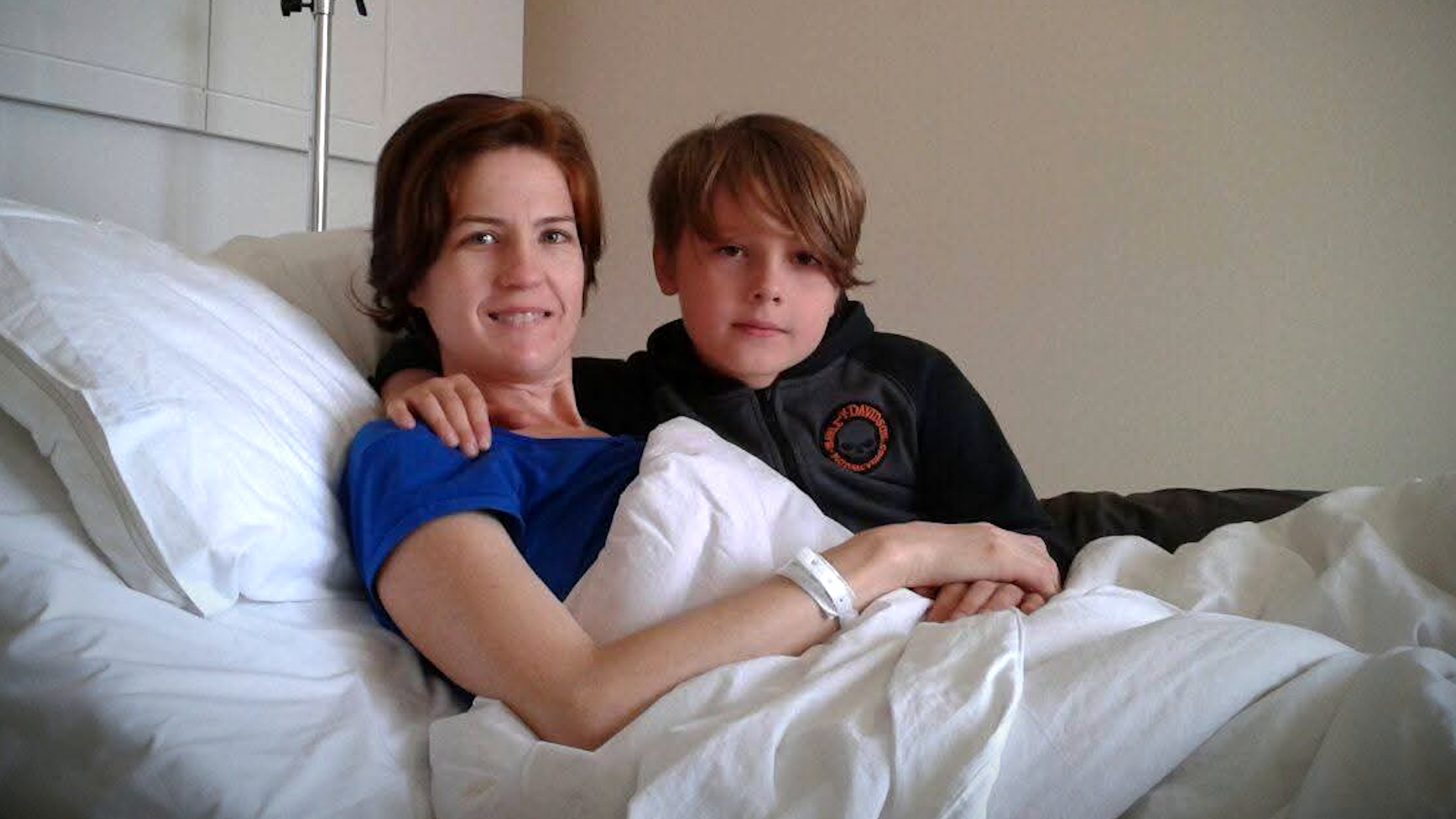
Experts point to several contributing factors, including mental health struggles, unstable housing, lack of access to education and employment opportunities, and limited social networks. The sudden withdrawal of care can leave vulnerable youths without the resources or guidance they need to manage these pressures effectively.
Why This Trend Demands Immediate Attention
The growing mortality rate among care leavers is not simply a statistic; it reflects systemic failures in safeguarding some of society’s most vulnerable young people. Leaving care is meant to be a stepping stone toward independence and self-sufficiency, yet for many, it becomes a perilous leap into uncertainty.
Studies underscore that young people who have been in care are more likely to face mental health issues, substance abuse problems, and economic hardships than their non-care peers. When the structured environment of care ends, these challenges often intensify, leading to higher risks of self-harm, accidental deaths, and even homicide.
Furthermore, care leavers frequently encounter difficulties in securing stable housing. Homelessness or precarious living situations exacerbate health risks and diminish access to medical and social support. The combination of these intersecting vulnerabilities creates a deadly environment for those in this demographic.
What Can Be Done to Reverse This Alarming Trend?
Addressing the high mortality rate among young people leaving care requires a multi-faceted approach focused on extending support beyond the age of care exit. Policymakers and social services must prioritize continuous care models that offer stability and resources well into early adulthood.
Enhancing mental health services tailored specifically for care leavers is critical. This includes proactive outreach, counseling, and crisis intervention that acknowledge the unique traumas experienced by this group. Additionally, securing stable housing options and creating employment and educational pathways can dramatically improve outcomes.
Community engagement plays a vital role as well. Building strong social networks and mentorship programs can provide care leavers with a sense of belonging and guidance during this vulnerable phase. Effective coordination between child welfare agencies, health services, and educational institutions is essential to create a seamless support system.
Ultimately, preventing these premature deaths hinges on recognizing the profound challenges faced by care leavers and committing to sustained, comprehensive assistance that empowers them to thrive rather than merely survive.
Looking Ahead
The increasing mortality rates among young people leaving care present a stark call to action. This is not just a public health issue but a reflection of societal responsibility toward youth who have already endured significant hardships. By focusing resources, reforming policies, and fostering community support, it is possible to change the trajectory for future generations of care leavers.
Ensuring a safer, healthier transition out of care will not only save lives but also unlock the potential of countless young people ready to contribute meaningfully to society. The age at which these deaths peak should serve as a critical warning—prompting immediate, coordinated efforts to safeguard these vulnerable young adults as they step into independence.