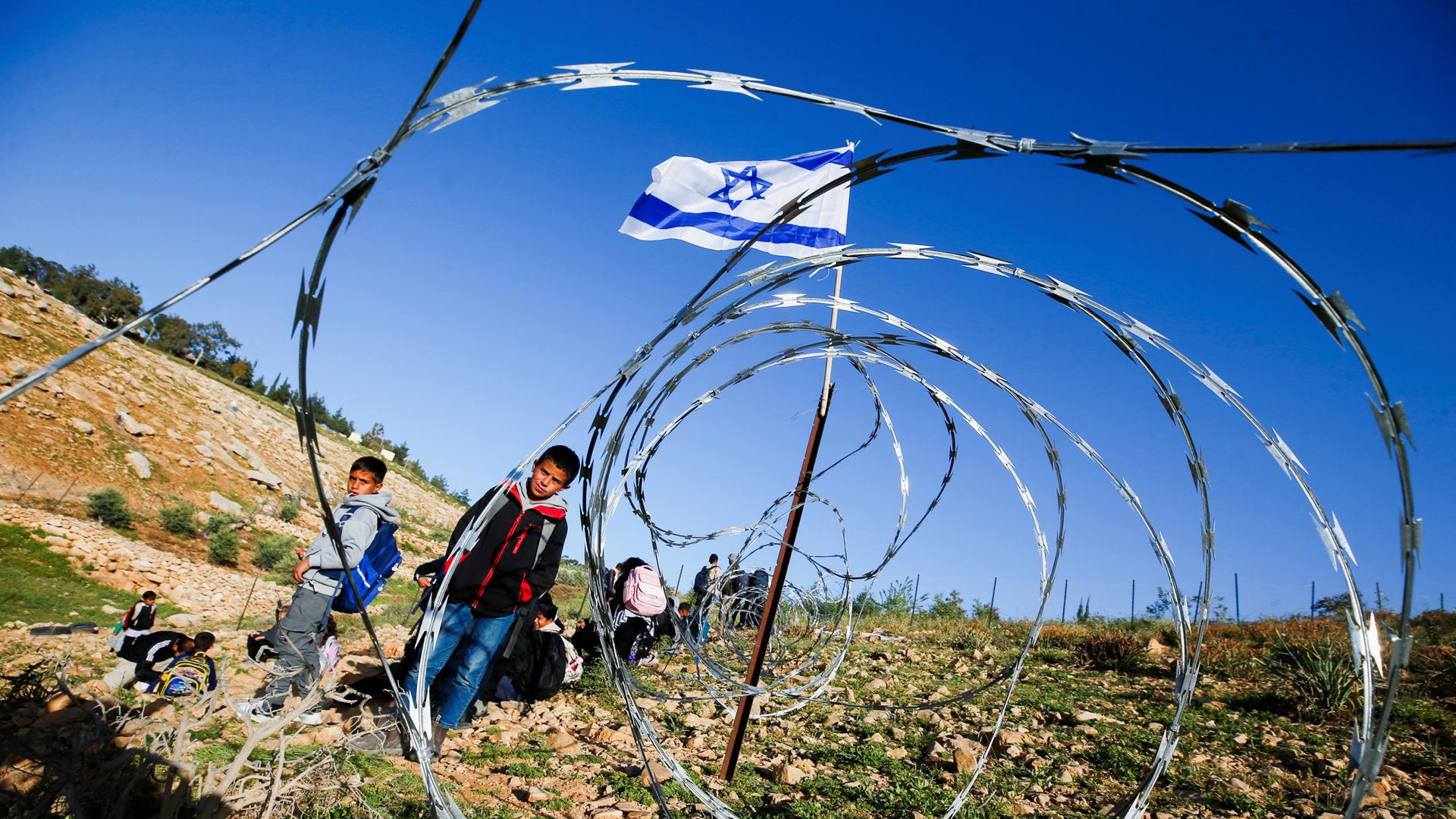
In a significant escalation of its stance on activist movements linked to the Israeli-Palestinian conflict, the United States government has officially labeled Palestine Action as a “transnational terrorist group.” This designation marks a rare and controversial move against a grassroots protest organization, intensifying international scrutiny on the group’s activities and its wider implications.
Who Is Palestine Action and What Led to the Sanctions?
Palestine Action is a UK-based activist collective known for its direct actions targeting companies and entities they accuse of supporting Israeli occupation policies. The group employs disruptive tactics, including occupying and vandalizing facilities tied to arms manufacturing and logistics companies that supply equipment used in the Israeli-Palestinian conflict.
One high-profile example of their demonstrations occurred at the Guardtech Group in Brandon, Suffolk, where protesters scaled rooftops and staged sit-ins to draw attention. Guardtech is among the companies targeted due to its alleged role in supplying security technology used in Israeli checkpoints and settlements.
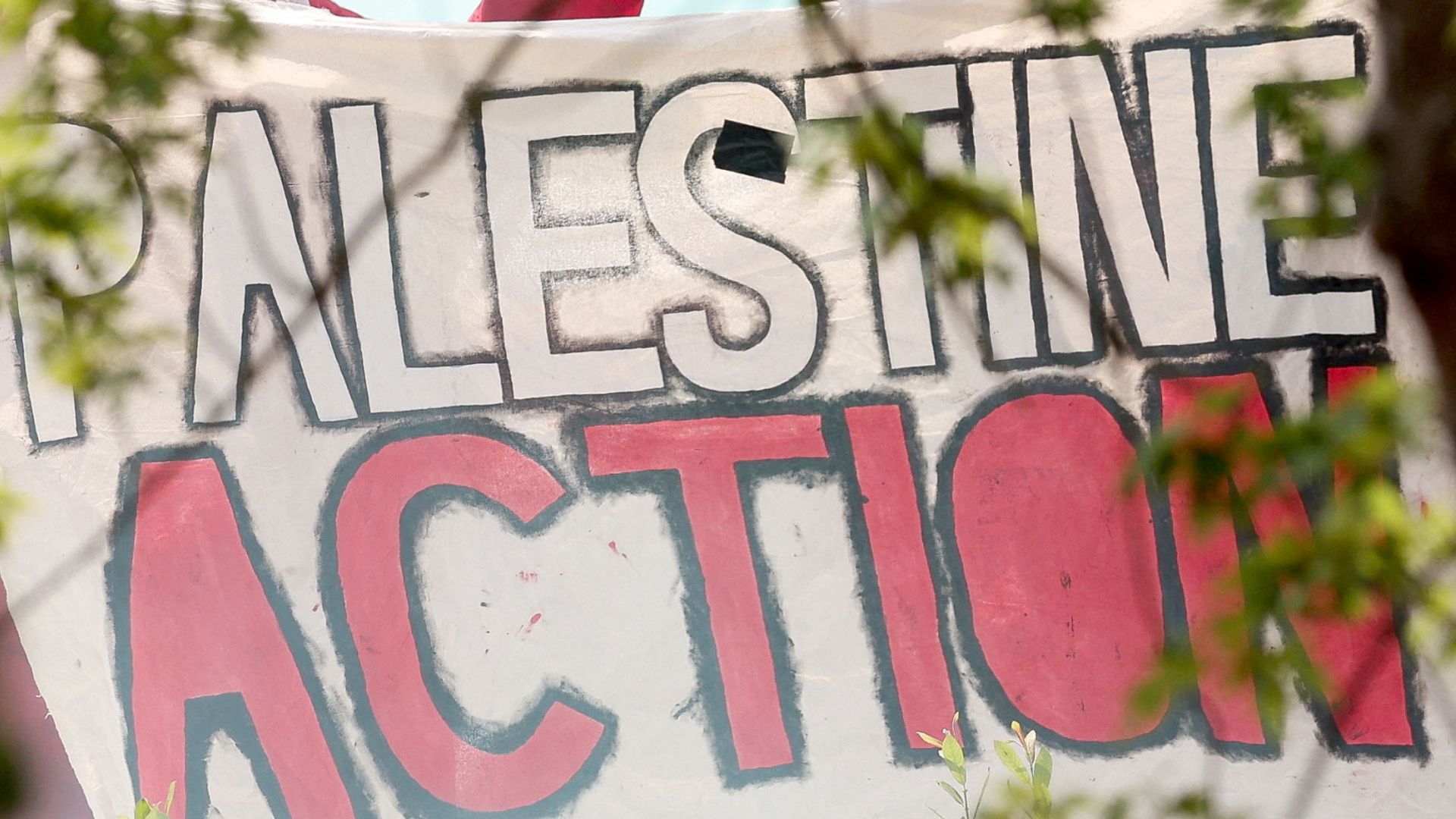
The US decision to impose sanctions and designate Palestine Action as a terrorist group stems from concerns that these protests cross the line from civil disobedience into unlawful and potentially violent activities that threaten international security interests. By labeling the group a “transnational terrorist organization,” the US government signals a zero-tolerance approach toward activism it deems as facilitating or encouraging violence or destabilization abroad.
What This Designation Means for Palestine Action and International Activism
This designation carries significant legal and financial consequences. Under US law, individuals and entities associated with Palestine Action could face asset freezes, travel bans, and criminal prosecution if found complicit in activities deemed terrorist in nature. Financial institutions and businesses worldwide are also prompted to sever ties with the organization to comply with US sanctions.
Such a move raises complex questions about the boundaries between legitimate protest, civil disobedience, and terrorism. Palestine Action and its supporters argue their tactics are nonviolent and rooted in human rights advocacy against the Israeli occupation. Critics, however, suggest that the group’s disruptive methods potentially incite unrest and undermine diplomatic efforts.
Broader Implications for Activist Movements
The US designation could set a precedent affecting other activist groups engaged in contentious international issues. Governments may increasingly scrutinize and criminalize protest actions they view as threats to geopolitical stability. This development could chill activism, particularly around sensitive conflicts like Israel-Palestine, where emotions and stakes run high.
Why the US Is Intensifying Focus on Palestine Action Now
In the context of escalating violence and diplomatic tensions in the Middle East, the US administration appears determined to clamp down on any groups perceived as exacerbating conflict. The designation of Palestine Action aligns with broader US policies aimed at countering terrorism and maintaining regional security.
The move also reflects the US commitment to protecting its allies and the defense industry, which faces increasing pressure from activist campaigns targeting companies involved in military supply chains. By sanctioning Palestine Action, the US sends a clear message discouraging similar direct actions against defense contractors and technology suppliers.
What Comes Next for Palestine Action and Global Advocacy
Palestine Action now faces heightened legal scrutiny and operational challenges. The group’s ability to organize protests and maintain funding could be severely restricted, especially as international partners respond to US sanctions. This may force activists to reconsider their strategies or face intensified legal repercussions.
At the same time, this designation might galvanize supporters who view the US action as an attempt to suppress legitimate dissent. The debate over the fine line between activism and terrorism will likely intensify, prompting renewed discussions on how democratic societies balance security concerns with the right to protest.
Why This Matters
The US decision to classify Palestine Action as a transnational terrorist group underscores the complexities of modern activism tied to international conflicts. It highlights how governments are increasingly willing to deploy counterterrorism frameworks against non-state actors engaging in protest activities. This shift carries profound implications for civil liberties, international diplomacy, and the future of grassroots movements advocating for contentious political causes.
As this story unfolds, it will be crucial to monitor how legal frameworks evolve to address activism without stifling democratic expression. The Palestine Action case serves as a pivotal example of the tensions between security imperatives and the protection of political dissent in a globalized world.