In a groundbreaking medical milestone, a British man has become the first individual globally to have a brain tumour successfully removed through surgery enhanced by artificial intelligence (AI). This pioneering procedure signals a transformative leap in neurosurgery, blending cutting-edge technology with human expertise to improve patient outcomes.
The Breakthrough AI-Assisted Brain Surgery
The revolutionary operation involved integrating AI systems directly into the surgical process to assist neurosurgeons in precisely locating and excising the brain tumour. Unlike traditional methods that rely heavily on manual navigation and imaging interpretation, this AI-assisted approach provided real-time data analysis, enhancing the surgeon’s ability to differentiate tumour tissue from healthy brain matter.
The patient’s surgery took place at a leading UK hospital renowned for its innovation in medical technology. During the procedure, AI algorithms processed complex imaging scans and intraoperative data to guide the surgeon with unparalleled accuracy. This technological partnership minimized the risk of damage to critical brain regions, significantly reducing potential complications and recovery time.
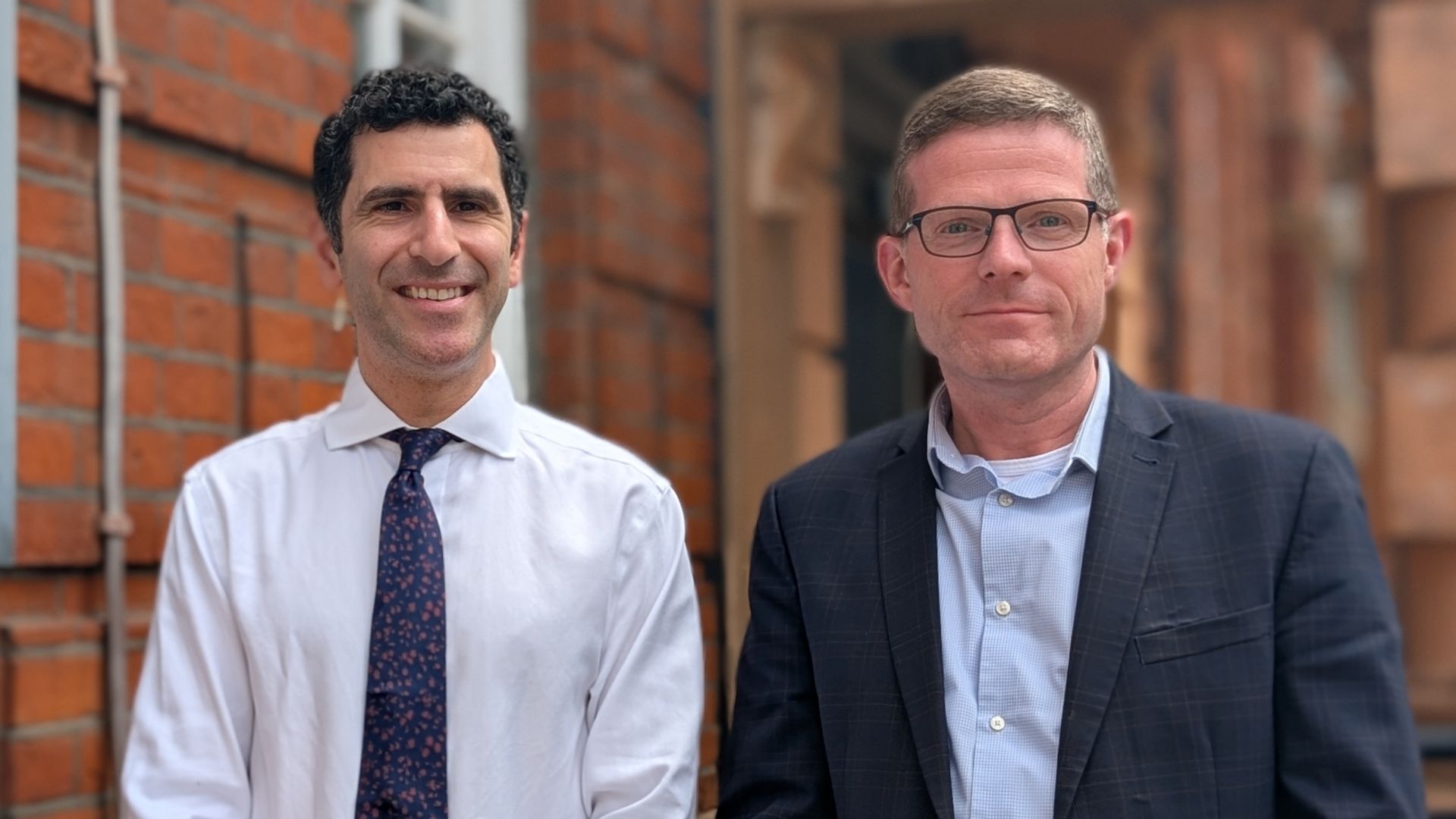
Doctors involved in the case emphasize that the AI did not replace human decision-making but acted as an advanced tool that augmented surgical precision. The AI system’s capacity to analyze vast amounts of data instantaneously allowed the surgical team to adapt strategies dynamically, ensuring the tumour was removed thoroughly while preserving vital neurological functions.
Why This Medical Innovation Matters
Brain tumours represent some of the most challenging conditions for surgeons due to their complex location and the delicate nature of surrounding tissue. Traditional surgery carries risks of neurological damage and incomplete tumour removal, which can lead to recurrence or impaired brain function.
The introduction of AI assistance into this delicate surgical field promises to revolutionize treatment protocols. With AI’s ability to enhance imaging interpretation and surgical navigation, future operations may achieve higher success rates, fewer side effects, and faster patient recovery. This breakthrough also opens pathways for AI applications in other complex surgeries where precision is paramount.
Furthermore, this advancement reflects a broader trend of integrating AI into healthcare, where machine learning and data analytics support clinicians in diagnosis, treatment planning, and surgical interventions. The successful removal of the brain tumour using AI marks a significant validation for these technologies in critical medical contexts.
The Road Ahead: Expanding AI’s Role in Neurosurgery
While this first AI-assisted brain tumour removal is cause for optimism, experts caution that widespread adoption requires rigorous testing and validation across diverse patient populations. Ongoing clinical trials are essential to refine AI algorithms, ensure safety, and establish standardized protocols for their use in neurosurgery.
Hospitals worldwide are keenly observing this development as it may redefine surgical standards and training. Surgeons will need to acquire new skills to effectively collaborate with AI systems, and regulatory bodies must develop guidelines that balance innovation with patient safety.
For patients facing brain tumours and other complex neurological conditions, AI-assisted surgery could soon offer a powerful new option that enhances the chances of successful treatment and long-term quality of life.
Looking Forward: The Future of AI in Medicine
This historic surgery underscores the transformative potential of artificial intelligence in medicine. As AI technologies evolve, they will increasingly serve as vital partners in healthcare, augmenting human expertise to tackle some of the most challenging medical problems.
For now, the successful AI-assisted removal of a brain tumour in a British patient stands as a beacon of hope and a testament to human ingenuity. It represents not only a milestone in neurosurgery but also a glimpse into a future where technology and medicine work hand in hand to save lives and improve health outcomes worldwide.