The fiery rivalry between Celtic and Rangers has taken a severe hit as both clubs face unprecedented penalties following violent disturbances during their recent Scottish Cup quarter-final clash at Ibrox Stadium. Football authorities have mandated that both teams must conduct their next home matches in the tournament behind closed doors, stripping away the usual passionate atmosphere fueled by their fervent supporters.
What Sparked the Sanction?
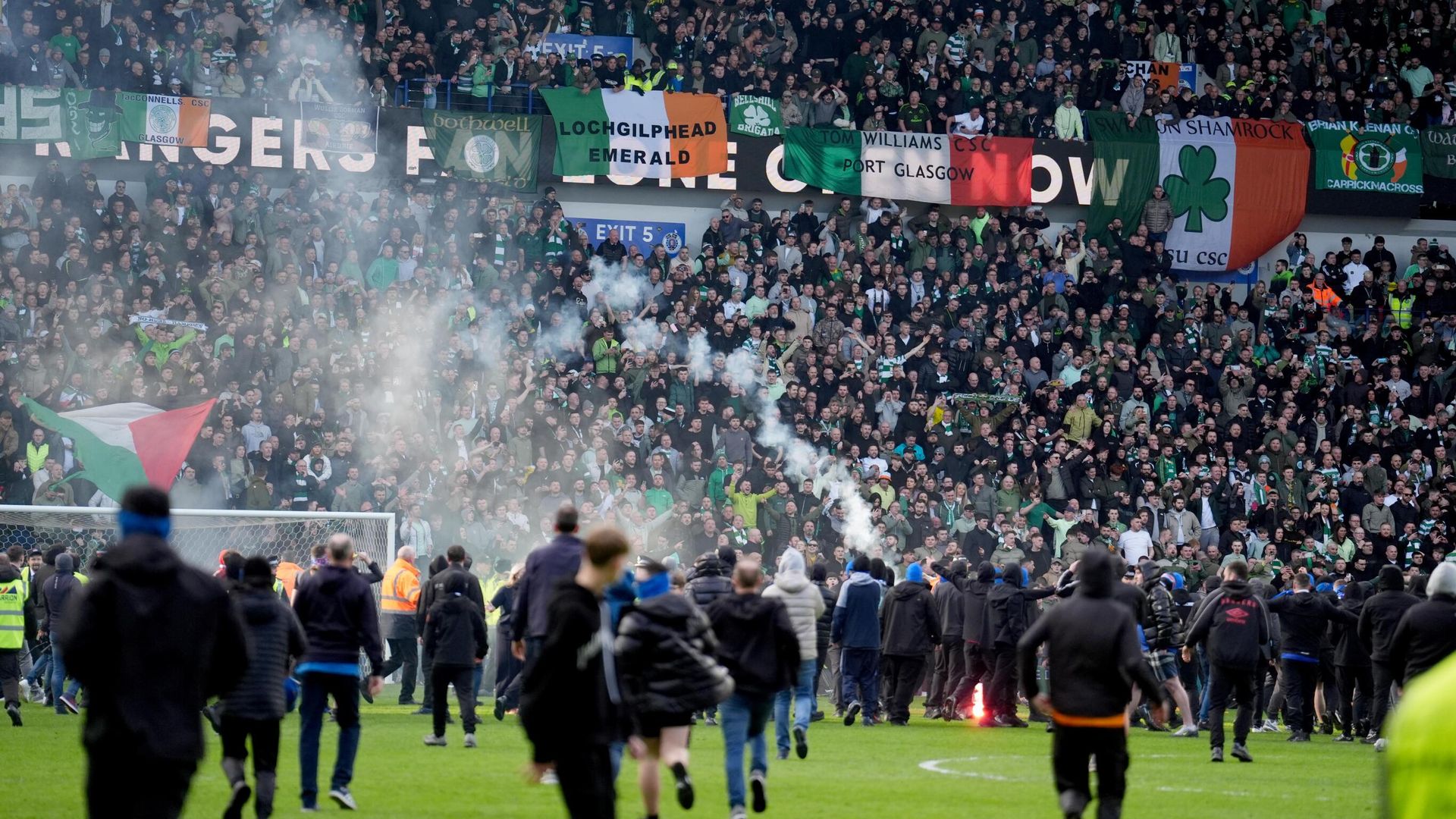
The Old Firm derby, known globally for its intensity and historic significance, descended into chaos during the quarter-final encounter. The match, held at Rangers’ home ground, was marred by fan clashes that escalated beyond verbal exchanges into physical confrontations.
Authorities reported multiple incidents both inside and outside the stadium, involving a fraction of the supporters from both sides. Security personnel struggled to contain the outbreaks, which disrupted the flow of the game and posed serious safety risks for players, officials, and fellow fans.
These disturbances prompted the Scottish Football Association (SFA) and the Scottish Football League (SFL) to intervene decisively. After reviewing security footage and gathering reports from stewards and police, the governing bodies concluded that stringent measures were necessary to deter future violence and uphold the integrity of the competition.
Implications of Playing Behind Closed Doors
Both Celtic and Rangers now face the challenge of competing without the support of their home crowd in their forthcoming Scottish Cup fixtures. Beyond the obvious financial losses from ticket sales and matchday revenues, this decision impacts the teams’ dynamics profoundly.
The Old Firm rivalry thrives on the electric atmosphere generated by tens of thousands of passionate fans, whose chants and energy often influence the momentum of the game. Stripped of this support, players will confront a sterile environment, which could affect their performance and the overall spectacle of these high-stakes matches.
Moreover, the sanctions signal a broader crackdown on football-related violence in Scotland. The authorities intend to send a strong message that intimidation, disorderly conduct, and physical altercations will not be tolerated under any circumstances.
Financial and Reputational Consequences
For clubs like Celtic and Rangers, whose revenues heavily rely on matchday income, hosting matches without fans represents a significant financial setback. Additionally, the reputational damage may extend beyond the sport, affecting sponsorship deals and partnerships keen to associate with clubs that promote positive fan experiences.
What This Means for Scottish Football and the Old Firm Rivalry
The decision to hold matches behind closed doors underscores the ongoing struggle to manage the intense rivalry between Celtic and Rangers responsibly. This historic competition is deeply embedded in Scottish culture, politics, and identity, often reflecting sectarian tensions.
While the passion of supporters is a defining feature, unchecked hostility threatens to overshadow the sport itself. This latest incident serves as a critical reminder for all stakeholders to prioritize safety, respect, and sportsmanship.
Moving forward, clubs, law enforcement, and governing bodies must collaborate more effectively to implement preventative measures. Enhanced security protocols, targeted fan education, and stricter enforcement of conduct codes could help mitigate future incidents.
For fans, this period without attending matches presents a moment to reflect on the impact of their behavior on the game’s future. The Old Firm rivalry remains one of the most thrilling and competitive fixtures worldwide, but it requires mutual respect and discipline to sustain its long-term health.
Looking Ahead
As Celtic and Rangers prepare for their next Scottish Cup matches behind closed doors, the spotlight intensifies on how both clubs and their supporters will respond. The absence of fans will fundamentally alter the matchday experience, potentially affecting team morale and competitive edge.
More broadly, this episode acts as a catalyst for change in Scottish football’s approach to fan violence. It highlights the urgent need for comprehensive strategies that preserve the passionate spirit of the game while ensuring safety and respect on and off the pitch.
Ultimately, the Old Firm rivalry’s future depends on balancing tradition with responsibility. Both clubs now face the challenge of proving their commitment to a safer, more inclusive football environment, setting a precedent that could influence fan culture across the sport.