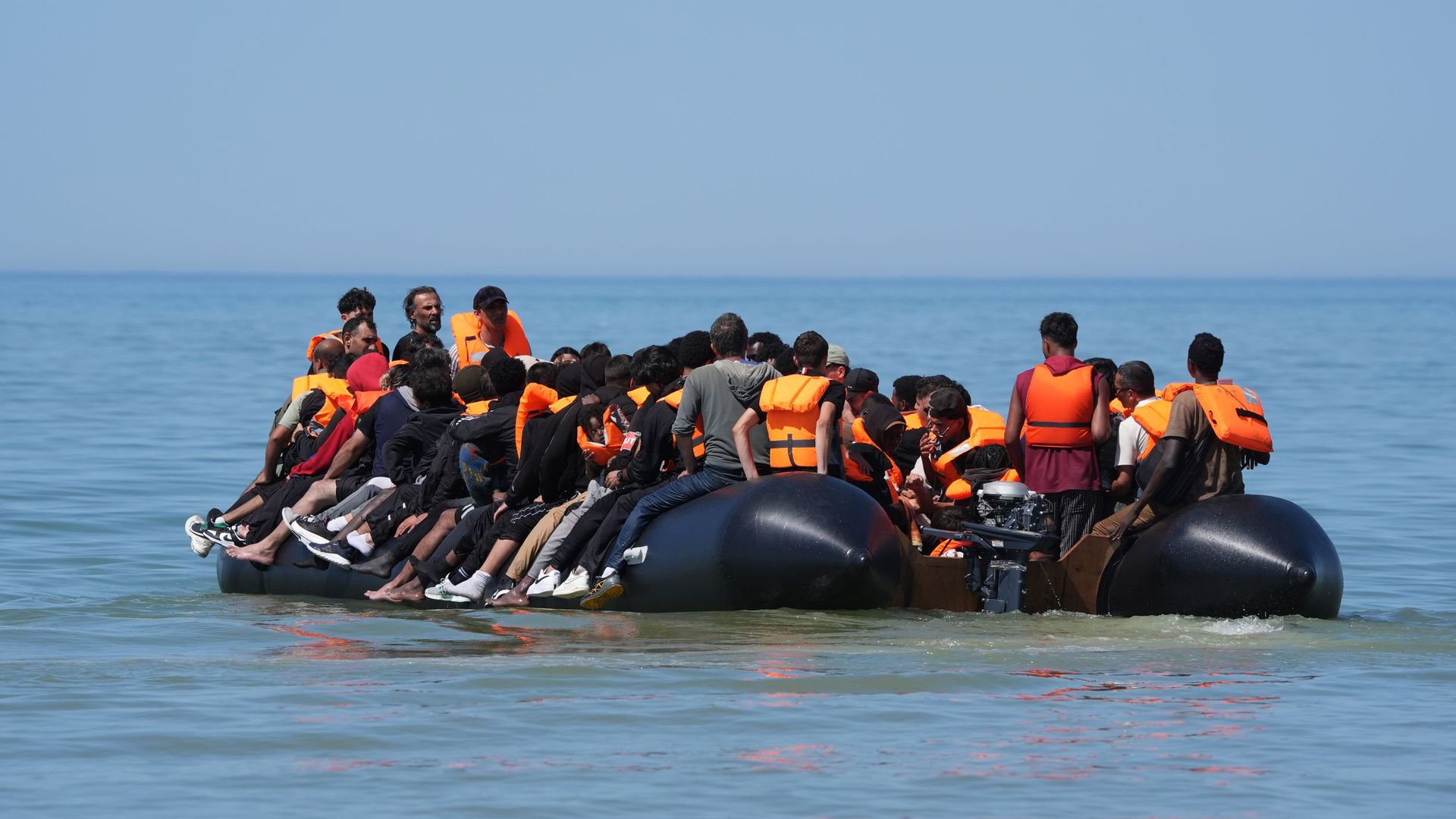
A tragic attempt to reach the United Kingdom ended in heartbreak when one migrant lost their life, while 72 others were rescued from a dangerously overcrowded small vessel off the coast of France. This incident highlights the ongoing peril faced by migrants seeking passage across the English Channel, one of the world’s busiest and most treacherous maritime migration routes.
Rescue Operation Amid Growing Channel Crossings
The boat carrying the migrants was intercepted by French authorities who responded swiftly after being alerted to the vessel’s distress. The overcrowded craft struggled against rough sea conditions, underscoring the hazardous nature of these clandestine crossings. Emergency responders were able to save 72 individuals, but despite their efforts, one migrant tragically died during the journey.
This rescue adds to a troubling pattern of small boats departing from northern French shores, attempting to cross the approximately 21-mile stretch to the UK. The English Channel has become a focal point for migrants fleeing conflict, poverty, or persecution in various parts of the world, all seeking safety and new opportunities in the UK.
Why the Channel Crossing Crisis Continues
The surge in Channel crossings reflects broader global migration trends and the complexities of border management between the UK and France. Many migrants opt for small, unseaworthy boats due to limited legal pathways for asylum or migration, risking their lives in the process. Smugglers exploit this desperation, often overcrowding vessels beyond safe capacity to maximize profits.
Both British and French authorities have intensified patrols and joint efforts to combat illegal crossings and dismantle smuggling networks. However, the persistence of these risky attempts illustrates the challenges in balancing border security with humanitarian obligations. The recent fatality starkly reminds policymakers and the public of the human cost behind migration statistics.
What This Means for Migrants and Policy Makers
The loss of life in this incident serves as a grim reminder of the urgent need for comprehensive solutions addressing the root causes of irregular migration. Improving legal migration pathways and asylum processes could reduce reliance on dangerous crossings. Additionally, increasing support for migrants in transit countries and enhancing international cooperation are critical steps.
For the migrants involved, each crossing is a high-stakes gamble driven by hope and desperation. Their stories spotlight the human dimension of migration, often lost in political debates. Authorities on both sides of the Channel face complex decisions: how to secure borders effectively while upholding international human rights standards.
As rescue teams continue their vigilant operations, this tragedy underscores the imperative to develop sustainable, humane migration policies. The Channel crossing crisis is not simply a security issue, but a humanitarian challenge demanding coordinated global attention.
The full details of the incident are still emerging, but the loss of one life among dozens rescued remains a somber testament to the risks migrants endure in pursuit of safety and a better future.