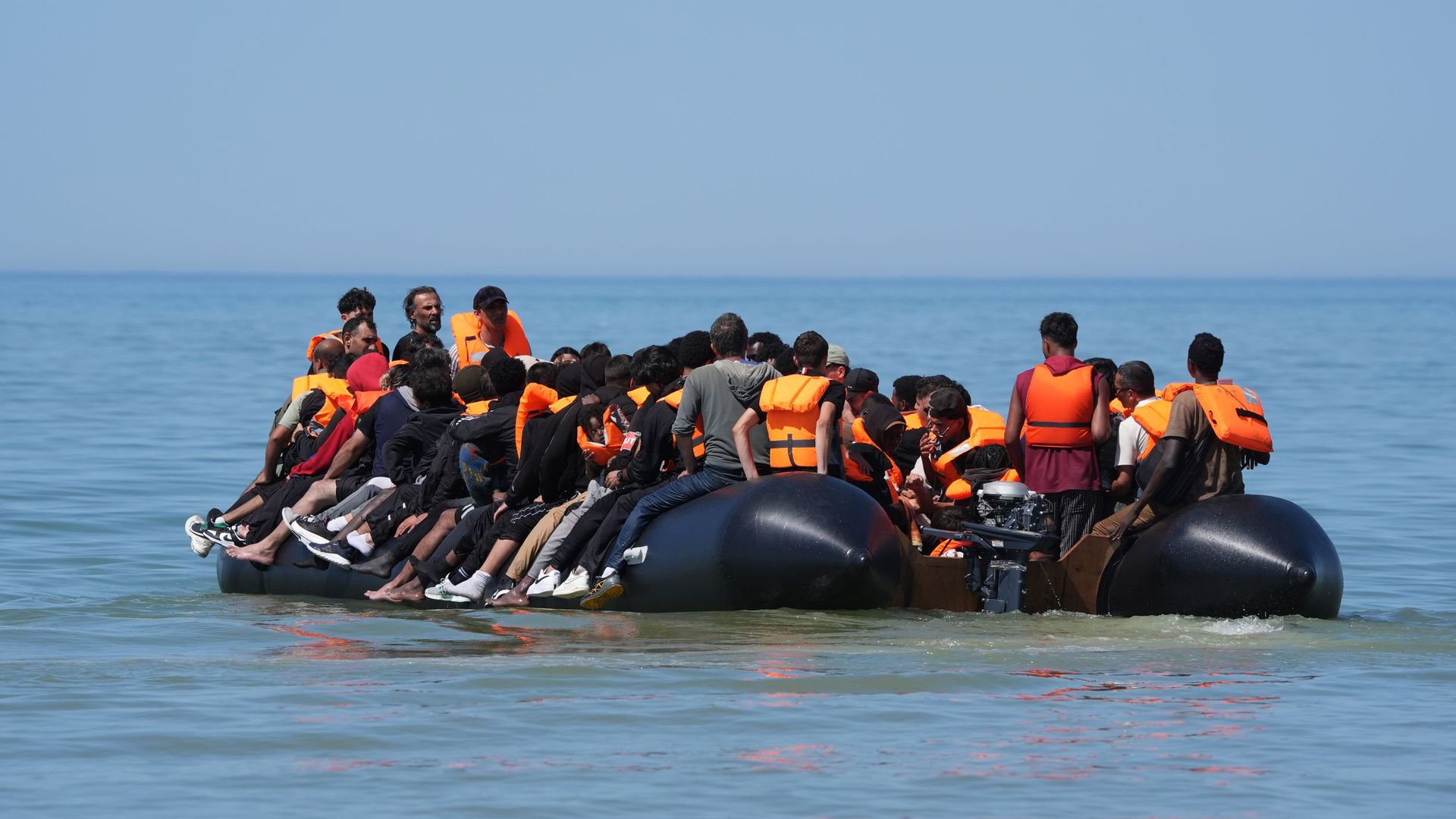
A vessel has reported being in distress in the busy waters of the English Channel, prompting an immediate and coordinated rescue effort by the coastguard and maritime authorities. This developing situation highlights the ongoing hazards faced by vessels navigating one of the world’s busiest shipping lanes.
What Happened: Vessel Distress in a Critical Waterway
The coastguard confirmed that a vessel is currently experiencing difficulties in the English Channel, a narrow stretch of water that separates southern England from northern France. This channel sees thousands of commercial ships, fishing boats, and recreational vessels every day, making any emergency situation here particularly urgent due to the heavy traffic and challenging conditions.
Details about the nature of the distress—whether mechanical failure, adverse weather, or another cause—have not yet been disclosed. However, the coastguard’s swift response underscores the potential severity of the incident. Rescue teams have been dispatched to provide assistance, ensuring the safety of the vessel’s crew and preventing further escalation.

Why This Matters: Navigational Risks in the English Channel
The English Channel is one of the world’s most strategically important maritime corridors, connecting the North Sea to the Atlantic Ocean. Its narrow width and heavy traffic make it a hotspot for maritime incidents. Every year, vessels of all sizes navigate this route, from massive container ships to small fishing boats, increasing the risk of collisions, groundings, and mechanical failures.
Weather conditions in the channel can change rapidly, with strong tides and sudden fog banks adding to the complexity of navigation. These factors, combined with the congested shipping lanes, mean that any vessel encountering trouble requires rapid intervention to avoid disaster.
The coastguard’s role in this environment is critical. They maintain constant surveillance and coordinate search and rescue operations to mitigate risks. Their immediate deployment in this incident reflects their ongoing commitment to maritime safety and environmental protection.
What Comes Next: Rescue Operation and Safety Protocols
As the rescue operation unfolds, teams are working to stabilize the situation and ensure the wellbeing of those aboard the distressed vessel. This could involve towing the vessel to safety, providing medical assistance, or addressing mechanical issues on-site. The coastguard will also coordinate with nearby vessels and air support if necessary to expedite the rescue.
Authorities will conduct a thorough investigation once the immediate danger has passed to determine the cause of the distress. Understanding the root cause is essential to improving safety measures and preventing similar incidents in the future.
In the meantime, maritime traffic control in the area may implement temporary rerouting or speed restrictions to avoid interfering with the rescue effort and to protect other vessels in the vicinity.
Looking Ahead: The Importance of Maritime Safety
This incident serves as a stark reminder of the challenges faced by mariners navigating the English Channel daily. While technology and navigation expertise have advanced, the unpredictable nature of the sea means that emergencies remain a constant threat.
Continued investment in coastguard resources, real-time monitoring systems, and emergency response training is vital to safeguarding lives and preserving the environment in such a critical waterway. The ongoing rescue operation is a testament to the dedication of maritime responders who act swiftly to protect those at sea.
As this situation develops, authorities will provide updates to ensure transparency and public awareness. For now, the focus remains on safely resolving the distress call and reinforcing the resilience of maritime operations in one of the world’s busiest and most strategically important channels.