For the first time ever, scientists have confirmed that an invasive mosquito species capable of transmitting serious diseases such as dengue and Zika viruses is breeding within the United Kingdom. This alarming discovery marks a significant development in the country’s public health landscape and raises urgent questions about disease risk and mosquito control.
Discovering the ‘Hitchhiking’ Mosquito in the UK
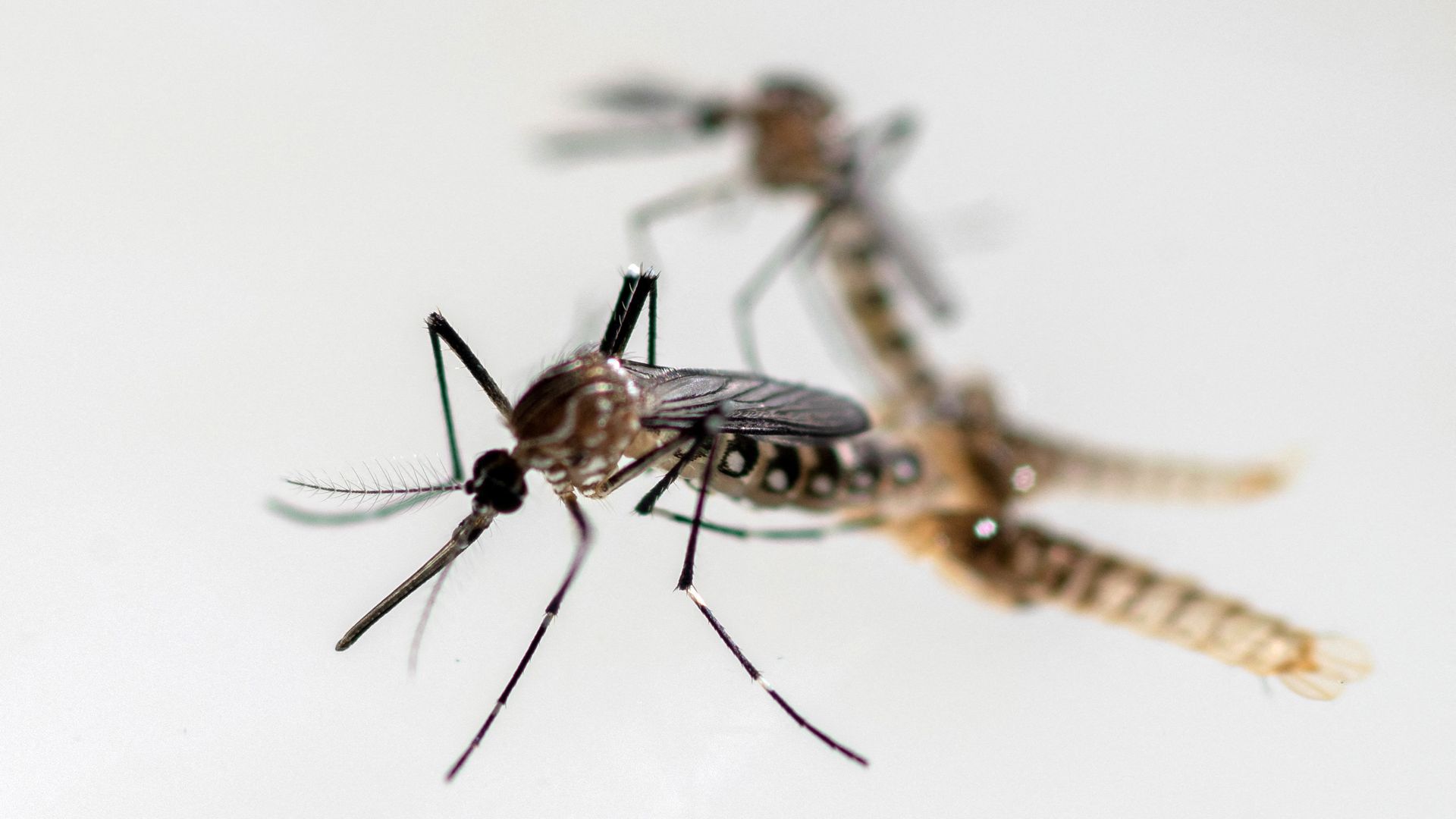
The mosquito species in question, Aedes albopictus, commonly known as the Asian tiger mosquito, is notorious worldwide for its ability to carry and spread viruses that cause dengue fever, Zika virus disease, chikungunya, and yellow fever. Until now, the UK had only reported occasional sightings of these mosquitoes, typically arriving via transport routes such as vehicles or imported goods—a phenomenon often described as “hitchhiking.” However, recent surveillance efforts have confirmed that these mosquitoes are not merely transient visitors but have established breeding populations on British soil.
The presence of Aedes albopictus in the UK represents a notable shift in the region’s entomological and epidemiological profile. This species thrives in warmer climates and has expanded its range throughout Europe over the past few decades, largely due to climate change and increased global trade. Its ability to breed in small water collections, such as garden containers and rain-filled tires, makes it particularly adept at colonizing urban and suburban environments.
Why This Matters: Public Health Implications
The establishment of Aedes albopictus breeding populations in the UK carries significant implications for public health authorities. While the UK has so far remained free from local outbreaks of dengue or Zika viruses, the presence of a competent vector creates the potential for indigenous transmission if these viruses are introduced.
Dengue fever, for example, affects millions globally each year and can cause severe flu-like symptoms, sometimes progressing to life-threatening complications. The Zika virus gained notoriety during the 2015-2016 epidemic for its association with birth defects and neurological disorders. Both diseases are transmitted primarily through mosquito bites, making the control of vector populations critical to preventing outbreaks.
Currently, the UK’s cooler climate reduces the likelihood of sustained transmission of these viruses; however, warming temperatures and increased travel from endemic regions elevate the risk. The discovery signals a need for enhanced mosquito surveillance, public awareness campaigns, and vector control strategies to mitigate future health threats.
What Comes Next: Monitoring and Mitigation Strategies
In response to this finding, UK health officials and entomologists are ramping up monitoring efforts to track the distribution and density of Aedes albopictus populations. Early detection is crucial to preventing the mosquito’s further spread and limiting potential disease transmission.
Public health agencies are also emphasizing community involvement, encouraging residents to eliminate standing water where mosquitoes might breed, such as flower pots, bird baths, and discarded containers. Additionally, research is underway to understand how climate trends and human activity influence mosquito habitats across the UK.
International experience highlights the importance of integrated vector management, combining environmental control, biological agents, and targeted insecticide use. The UK’s evolving situation offers a case study in how nations with temperate climates must adapt to the challenges posed by invasive species and emerging infectious diseases in a globalized world.
Looking Ahead: Preparing for a Changing Mosquito Landscape
The discovery of breeding Aedes albopictus mosquitoes in the UK underscores the dynamic nature of vector ecology and the ongoing impact of globalization and climate change on disease risk. While no local cases of dengue or Zika virus infection have been reported so far, this development serves as a critical warning to health authorities and the public alike.
Proactive measures, including rigorous surveillance, public education, and environmental management, will be essential to minimizing the potential for mosquito-borne disease outbreaks. The UK’s experience highlights the broader challenge faced by temperate countries as they confront the expanding reach of tropical disease vectors.
Ultimately, understanding and addressing the factors enabling the survival and spread of invasive mosquito species like Aedes albopictus is vital to protecting public health in an interconnected and warming world.