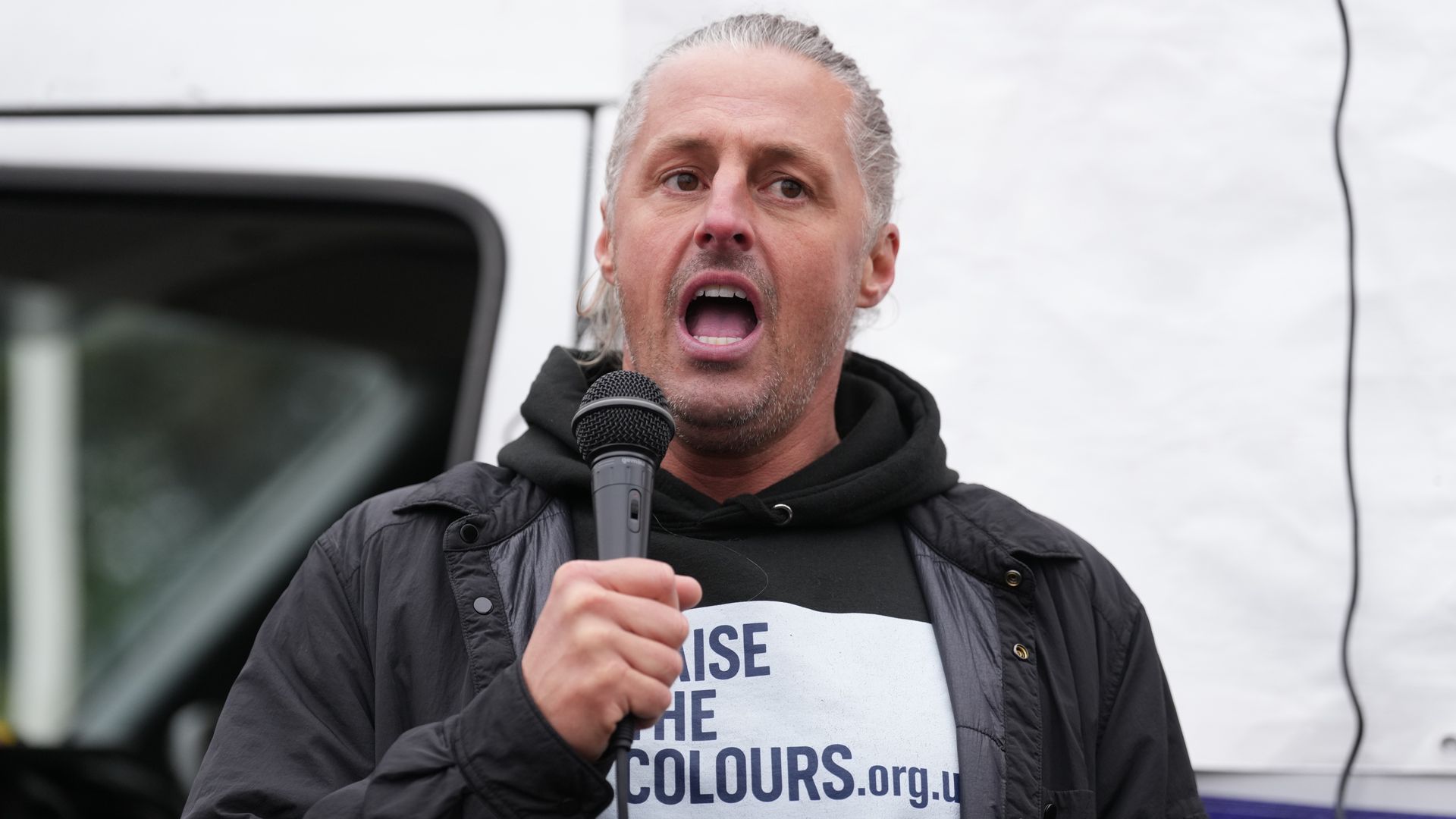
An activist known for spearheading a campaign to adorn lampposts with Union and St George’s Cross flags now confronts a significant legal challenge, facing 14 distinct charges. This development highlights the ongoing tensions surrounding public displays of national symbols and the boundaries of lawful activism.
The Flag Campaign and Its Controversy
The individual at the center of this legal action leads a grassroots group dedicated to erecting Union flags and St George’s Cross flags on public lampposts. This campaign, intended to express patriotic pride, has sparked debate in communities where the flags have appeared, with some viewing the displays as expressions of national identity, while others criticize them as unauthorized or provocative.
Such public flag placements often touch on sensitive cultural and political issues, particularly in regions where national and local identities intersect. The activist’s efforts have drawn attention not only from supporters who see the flags as symbols of heritage but also from local authorities charged with regulating public spaces and signage.
Legal Charges and Implications
Authorities have formally charged the founder with 14 offenses related to the installation of these flags on lampposts. While the precise nature of each charge has not been publicly detailed, they likely involve violations of local ordinances regarding unauthorized use of public property, potential safety hazards, and failure to obtain required permissions.
These charges underscore the legal risks associated with unsanctioned modifications to public infrastructure. Municipalities often enforce strict regulations to ensure public safety and maintain orderly urban environments. When individuals place items such as flags without approval, they can face penalties ranging from fines to more serious legal consequences.
The activist’s charges also reflect broader challenges governments face in balancing freedom of expression with public order. The case may set a precedent for how similar acts of symbolic expression are treated legally in the future.
What This Means for Public Activism and Community Relations
This case illustrates the complex interplay between civic activism, public expression, and legal boundaries. Activists aiming to make visible statements of identity or political viewpoints must navigate a landscape where enthusiasm meets regulation.
For local communities, the presence of these flags can evoke strong emotions and differing opinions. Supporters may feel their heritage is being celebrated, while others may perceive the displays as exclusionary or politically charged, potentially exacerbating social divisions.
From a legal perspective, the charges highlight the importance of engaging with local authorities before undertaking actions that alter or utilize public property. This approach can help activists avoid legal repercussions and foster dialogue that respects both expression and community standards.
Looking Ahead: The Case and Its Broader Impact
The activist now faces a legal process that will determine the outcome of the charges. This case will likely attract attention from various interest groups invested in issues of national identity, public space regulation, and civil liberties.
Its resolution could influence how similar activist campaigns are conducted and regulated going forward. It also raises important questions about how communities negotiate the display of symbols that carry deep cultural and political significance.
As the legal proceedings unfold, stakeholders from all sides will be watching closely, seeking clarity on the limits of public expression and the enforcement of municipal laws.
Conclusion
The charges against the founder of the lamppost flag campaign mark a critical moment in the ongoing dialogue about patriotism, activism, and public space. This case serves as a reminder that while symbolic acts can powerfully express identity and values, they must be balanced with respect for legal frameworks and community harmony.
How this situation resolves will provide important insights for activists, authorities, and communities navigating the complex terrain of public expression in shared spaces.