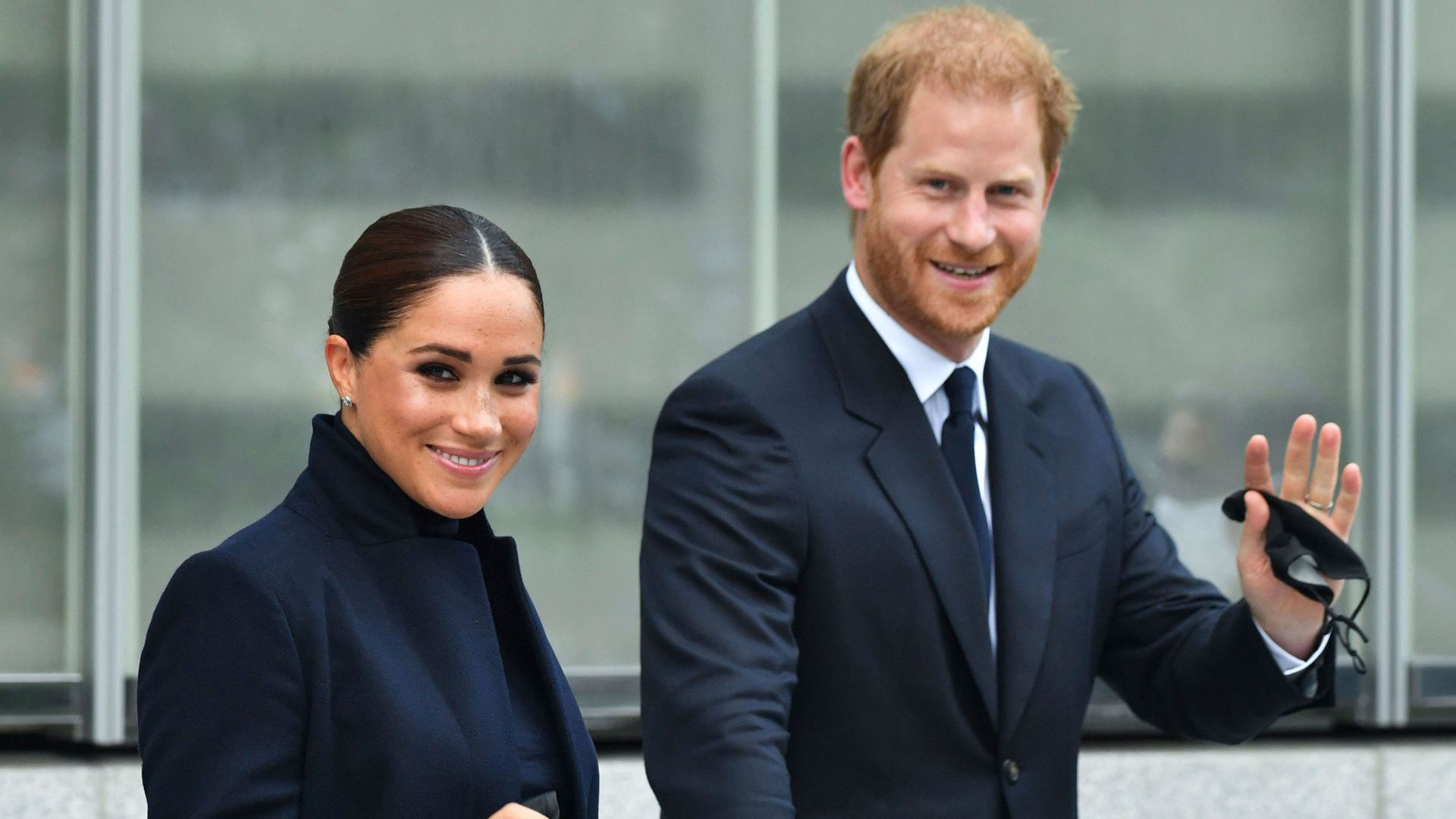
King Charles III has confirmed that the Duke and Duchess of Sussex will continue as private citizens and will not resume official royal duties following their recent return to the United Kingdom. This declaration underscores their ongoing decision to live outside the traditional framework of the British royal family, despite their physical presence back on UK soil.
The Sussexes’ Unique Position Within the Royal Family
Since stepping back from their roles as senior working royals in early 2020, Prince Harry and Meghan Markle have navigated a complex relationship with the monarchy. Their departure marked a significant shift, as they sought to carve out an independent life apart from the duties and expectations tied to their royal titles.
Their move to North America and subsequent return to the UK have sparked widespread public and media interest. However, King Charles III’s recent statement solidifies that, despite appearances, the couple will not reintegrate into the royal household as active members. Instead, they will remain private individuals, free from official royal responsibilities.
Implications of Remaining Private Citizens
Remaining private citizens means the Sussexes will not receive public funds allocated to working royals, nor will they represent the Crown in official engagements. This status affects numerous aspects of their public and private lives, including security provisions, official residences, and participation in royal ceremonies.
Prince Harry and Meghan’s decision to maintain this stance allows them greater personal autonomy and freedom to pursue ventures outside the constraints of royal protocol. Since stepping back, they have engaged in various philanthropic, media, and business activities—moves that would be complicated by official royal duties.
King Charles III’s confirmation also clarifies the royal family’s position on the couple’s role going forward. It emphasizes the distinction between working royals—who carry out public duties in service of the monarchy—and private citizens, who may still hold royal titles but operate independently.
Why This Matters: The Broader Context of Royal Roles
The British monarchy has long relied on a balance between senior working royals who undertake public duties and other family members who live more private lives. The Sussexes’ unique arrangement reflects evolving attitudes toward royal responsibilities in the 21st century.
This development comes amid ongoing public debates about transparency, funding, and the role of the monarchy in modern Britain. The Sussexes’ return as private citizens invites renewed scrutiny of how royal roles are defined and managed, especially as younger generations seek to reshape their relationships with tradition.
Moreover, their status impacts the monarchy’s public image and media coverage worldwide. By maintaining a clear separation between working royals and private family members, the institution aims to preserve stability and continuity while accommodating individual choices.
Looking Ahead: What Comes Next for the Sussexes and the Monarchy
With the Duke and Duchess of Sussex back in the UK as private citizens, the coming months will reveal how they engage with the royal family and the public. Their presence may influence future events, charitable initiatives, and public appearances, albeit outside official royal protocols.
For King Charles III, managing these dynamics requires careful diplomacy to uphold the monarchy’s traditions while respecting personal freedoms. As the institution adapts to contemporary challenges, the Sussexes’ status serves as a pivotal example of balancing heritage with modernity.
Ultimately, the decision for the Sussexes to remain private citizens signals a new chapter in royal life—one defined by individual choice and evolving expectations. It highlights the ongoing transformation within the British monarchy as it navigates the complexities of public service and personal autonomy in the 21st century.