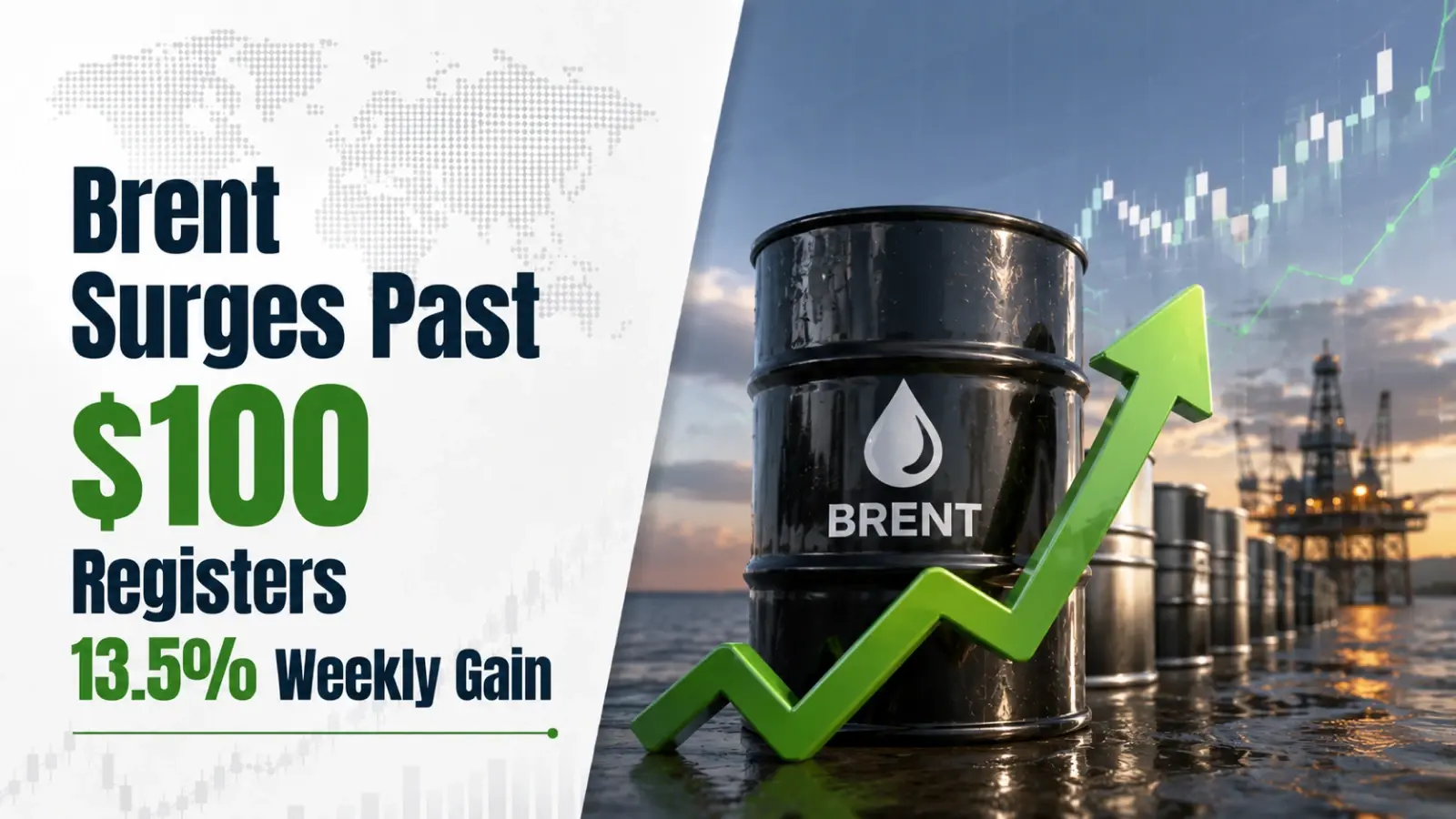
Oil prices have surged back above the $100-per-barrel mark, reigniting fears of escalating geopolitical conflict and its potential ripple effects on the global economy. This sharp increase reflects growing anxiety over intensifying hostilities in the Middle East, a region critical to the world’s energy supply.
What Is Driving the Oil Price Spike?
The recent escalation of conflicts in the Middle East has unsettled global energy markets. This region produces a substantial portion of the world’s crude oil, making any instability there a direct threat to supply chains. Traders and investors are reacting swiftly to the prospect of disrupted oil exports, which could tighten global supplies and push prices higher.
Market participants are particularly concerned about potential blockades, attacks on oil infrastructure, or interruptions in shipping lanes such as the Strait of Hormuz, through which a significant percentage of the world’s oil trade passes. Even the possibility of such disruptions has historically prompted traders to bid prices upward as a precaution.
Why the $100 Threshold Matters
Hitting and surpassing $100 per barrel is more than a symbolic milestone; it signals a fundamental shift in market sentiment. Prices at this level can trigger inflationary pressures worldwide, as energy costs feed into transportation, manufacturing, and consumer goods. For economies already grappling with inflation and post-pandemic recovery challenges, such increases threaten to slow growth and exacerbate cost-of-living issues.
Moreover, elevated oil prices can influence central bank policies, potentially prompting interest rate adjustments to curb inflation. The interconnectedness of global markets means that energy price hikes in one region can cascade worldwide, affecting everything from currency valuations to stock market performance.
Broader Economic Implications and Future Outlook
As tensions persist, businesses and governments face increased uncertainty. Companies reliant on stable energy prices may need to adjust budgets or delay investment plans. Consumers could also experience higher fuel prices, impacting disposable income and spending patterns.
On a geopolitical level, rising oil prices may alter diplomatic dynamics, with energy-importing nations seeking to diversify supplies or accelerate transitions to alternative energy sources. Conversely, oil-exporting countries may gain increased revenue, which could influence regional power balances.
Looking ahead, the trajectory of oil prices will depend heavily on the evolution of Middle East hostilities and the international community’s response. Any de-escalation could ease market fears and stabilize prices, while further conflict might drive prices even higher, intensifying economic pressures globally.
What This Means for Stakeholders
For consumers, businesses, and policymakers, the return of oil prices above $100 per barrel serves as a stark reminder of the vulnerabilities in global energy security. It underscores the importance of strategic planning, including investment in energy diversification, efficiency measures, and diplomatic engagement aimed at conflict resolution.
Energy markets remain highly sensitive to geopolitical developments, and this recent price surge highlights the ongoing risks associated with reliance on volatile regions. Stakeholders must remain vigilant and adaptable as the situation unfolds, balancing immediate economic concerns with long-term energy strategies.
In sum, the spike in oil prices amid Middle East tensions represents more than a market anomaly; it reflects a complex interplay of geopolitical risk and economic consequence that demands attention from all corners of the global community.