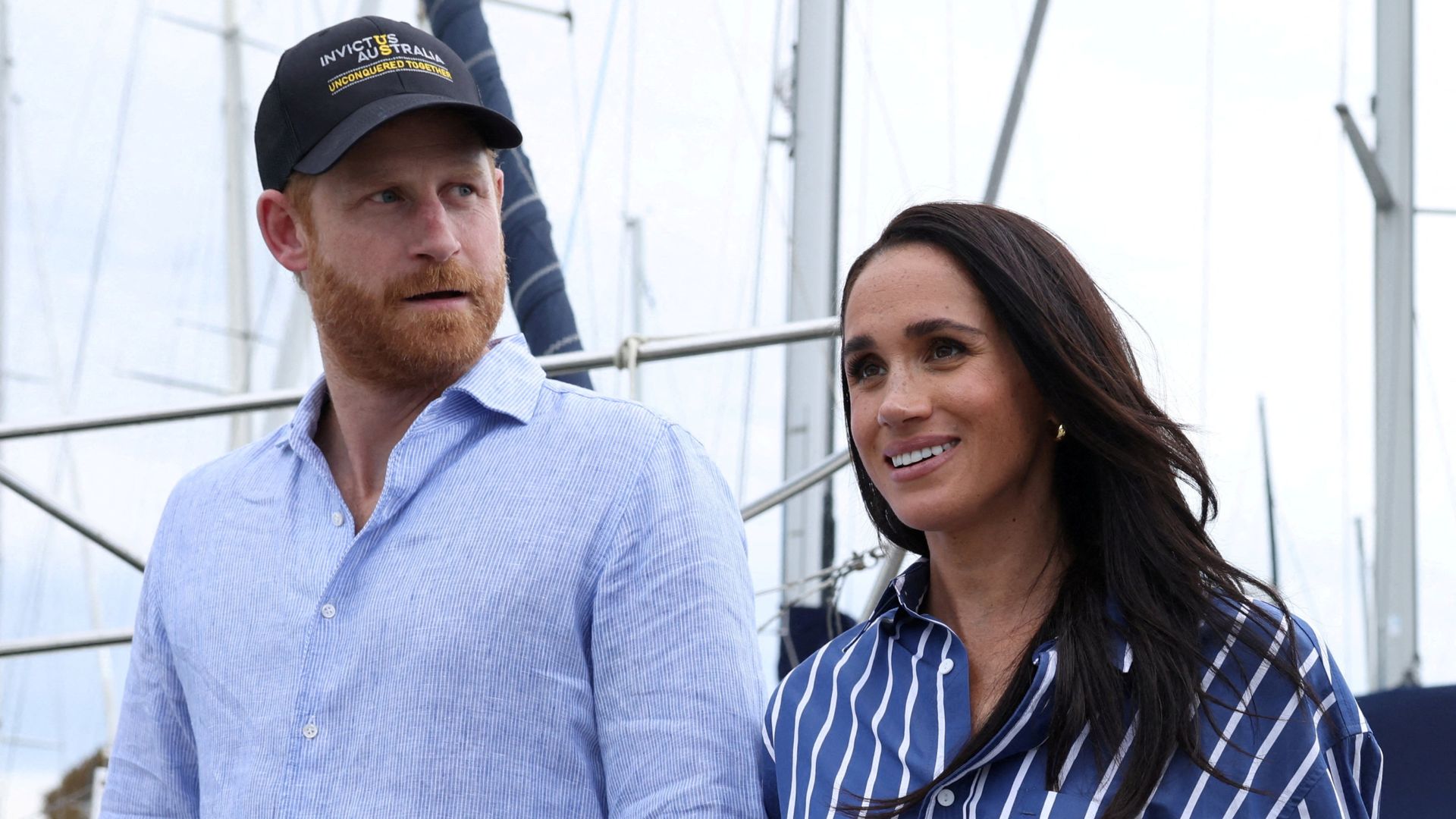
Uganda is set to participate once again in the upcoming Invictus Games, reversing its earlier decision to withdraw due to controversies involving Prince Harry and Meghan Markle. The nation’s return comes after a period of tension surrounding the Duke and Duchess of Sussex, highlighting shifting dynamics around the high-profile international sporting event.
What Happened: Uganda’s Withdrawal and Reentry
Initially, Uganda announced its withdrawal from the Invictus Games, citing dissatisfaction with what officials described as “nonsense” connected to Prince Harry and Meghan Markle. The couple’s public image and media presence have sparked debates and, in this case, influenced Uganda’s stance on participating in the Games. The Invictus Games, founded by Prince Harry in 2014, are an international adaptive multi-sport event for wounded, injured, or sick armed services personnel and veterans.
However, after reconsideration and likely diplomatic discussions, Uganda has decided to rejoin the roster of participating countries for the next edition of the Games. This move restores Uganda’s position as a competitor in the globally recognized event that celebrates resilience and the spirit of recovery through sport.

Why Uganda’s Participation Matters
Uganda’s involvement in the Invictus Games carries significant weight for the country’s military veterans and wounded service members. The Games offer a platform to showcase their courage, physical strength, and determination to overcome adversity. For many participants, the event serves as a critical opportunity for rehabilitation and international camaraderie.
By rejoining, Uganda not only affirms its commitment to supporting its veterans but also signals a separation of the Games’ mission from the personal controversies surrounding its founder. The Invictus Games have always aimed to transcend politics and personal disputes, focusing instead on healing and empowerment through sport.
Moreover, Uganda’s return may influence other countries watching the developments closely. It underscores the importance of maintaining the integrity and inclusivity of such global events despite external distractions or disagreements involving public figures.
What This Means for the Invictus Games and Beyond
The reinstatement of Uganda reflects a broader effort to preserve the spirit of the Invictus Games as a unifying event for injured service personnel worldwide. Prince Harry’s vision for the Games centers on resilience, rehabilitation, and international solidarity, ideals that resonate deeply with participants and supporters alike.
While the Duke and Duchess of Sussex continue to attract media attention, the Games’ success relies on its ability to rise above these controversies and maintain focus on its athletes. Uganda’s decision to participate again will likely be welcomed by organizers and competitors, reinforcing the event’s reputation as a powerful platform for recovery and athletic achievement.
Looking ahead, the Invictus Games remain a critical arena where wounded veterans from diverse backgrounds can compete, inspire, and heal. Uganda’s return is a testament to the enduring importance of this mission and offers hope that future editions of the Games will continue unimpeded by external disputes.
In summary, Uganda’s renewed commitment to the Invictus Games emphasizes the event’s core values and its transformative impact on participants. By choosing to focus on the athletes and their stories rather than controversies, the Games reaffirm their role as a beacon of resilience and international friendship.