Every day, hundreds of workers across Britain make the life-altering decision to quit their jobs in order to provide full-time care for family members or close friends. This growing trend underscores the immense pressure faced by informal caregivers and highlights significant gaps in the country’s social care system.
The Scale of the Caregiving Crisis in Britain
Recent data reveals that a substantial number of Britons are stepping away from their careers to become unpaid caregivers. This phenomenon is not isolated but part of a broader national challenge where the demand for personal, at-home care increasingly falls on relatives and friends rather than formal healthcare providers.
Many of these caregivers support elderly parents, disabled relatives, or chronically ill loved ones who require daily assistance. The choice to leave paid employment often comes at a significant financial and emotional cost, reflecting both the shortage of accessible professional care options and the cultural expectation to care within the family.
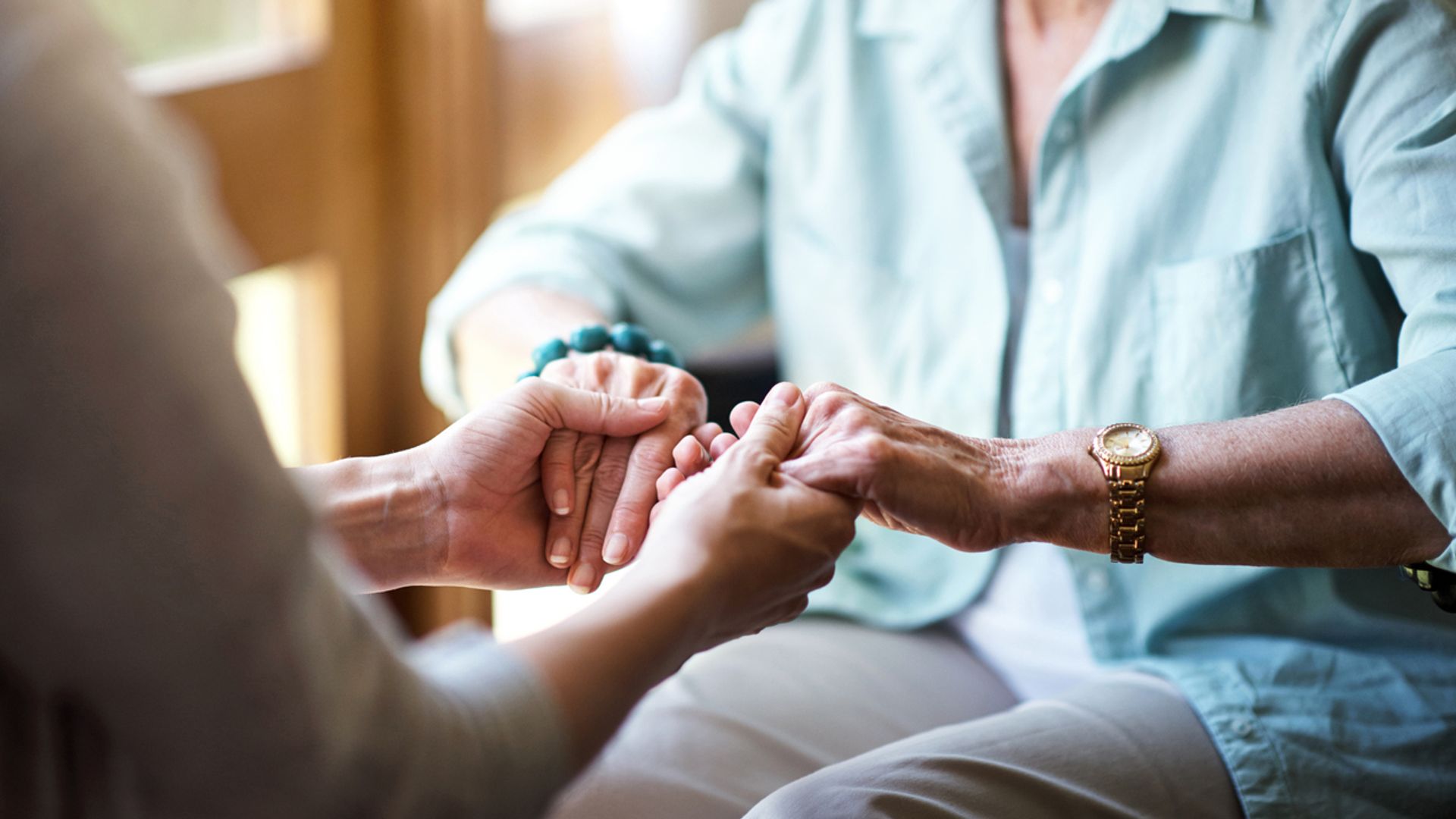
Experts warn that the ongoing strain on informal carers could have long-term repercussions for the UK’s workforce and economy. With hundreds quitting jobs each day, the ripple effects include reduced household incomes, increased mental and physical health problems among carers, and a shrinking labor pool in critical sectors.
Why Are So Many Choosing to Quit?
The decision to abandon employment for caregiving duties is frequently driven by a lack of affordable, quality care services. Public funding for social care has not kept pace with the rising number of people needing support, leaving families to fill the void at great personal sacrifice.
Additionally, the COVID-19 pandemic intensified these pressures by disrupting formal care arrangements and increasing the vulnerability of those requiring assistance. Many carers found themselves juggling remote work alongside full-time caregiving responsibilities, ultimately prompting some to resign altogether.
Aside from financial challenges, carers face emotional and physical exhaustion. The relentless demands of caregiving can lead to burnout, depression, and chronic health issues, further complicating their ability to maintain employment.
The Broader Impact on Society and the Economy
This surge in informal caregiving has far-reaching consequences beyond individual families. The UK government’s social care system struggles to meet demand, with thousands of unpaid carers stepping in to fill critical gaps. While their contributions are invaluable, relying heavily on informal care is unsustainable and risks escalating inequalities.
Workplaces also feel the impact as they lose experienced employees or bear the costs associated with absenteeism and reduced productivity. Industries heavily reliant on skilled workers may face talent shortages, while carers who remain employed often need flexible working arrangements to manage competing demands.
Policymakers face mounting pressure to increase investment in social care infrastructure, offer better support to carers, and develop strategies that balance the needs of families and the workforce. Enhancing respite services, financial assistance, and accessible healthcare options are crucial steps toward alleviating the burden on unpaid carers.
What This Means for the Future
The rising number of Britons leaving jobs to care for loved ones signals a critical juncture for social and economic policy. Without substantial reforms, the caregiving crisis could deepen, affecting millions of families and the country’s economic stability.
For carers, the path forward requires more robust support systems that recognize and value their contributions. Equally, employers must adapt to accommodate employees’ caregiving responsibilities through flexible work policies and mental health resources.
As the population ages and healthcare demands grow, the interplay between employment and caregiving will only intensify. Addressing these challenges proactively is essential to ensure that Britons can care for their loved ones without sacrificing their livelihoods or well-being.
Ultimately, bridging the gap between formal care services and informal caregiving is vital for a healthier, more equitable society.