Axel Rudakubana, the convicted Southport killer, reportedly launched a violent assault on prison officers at HMP Belmarsh, throwing boiling water mixed with sugar at one staff member and physically assaulting another. This brazen attack raises serious concerns about prison safety and inmate management in one of the UK’s highest-security facilities.
Details of the Violent Incident at HMP Belmarsh
HMP Belmarsh, located in London, is known for housing some of the most dangerous and high-profile inmates in the UK. Despite stringent security measures, this event exposes vulnerabilities in controlling violent individuals within the prison system.
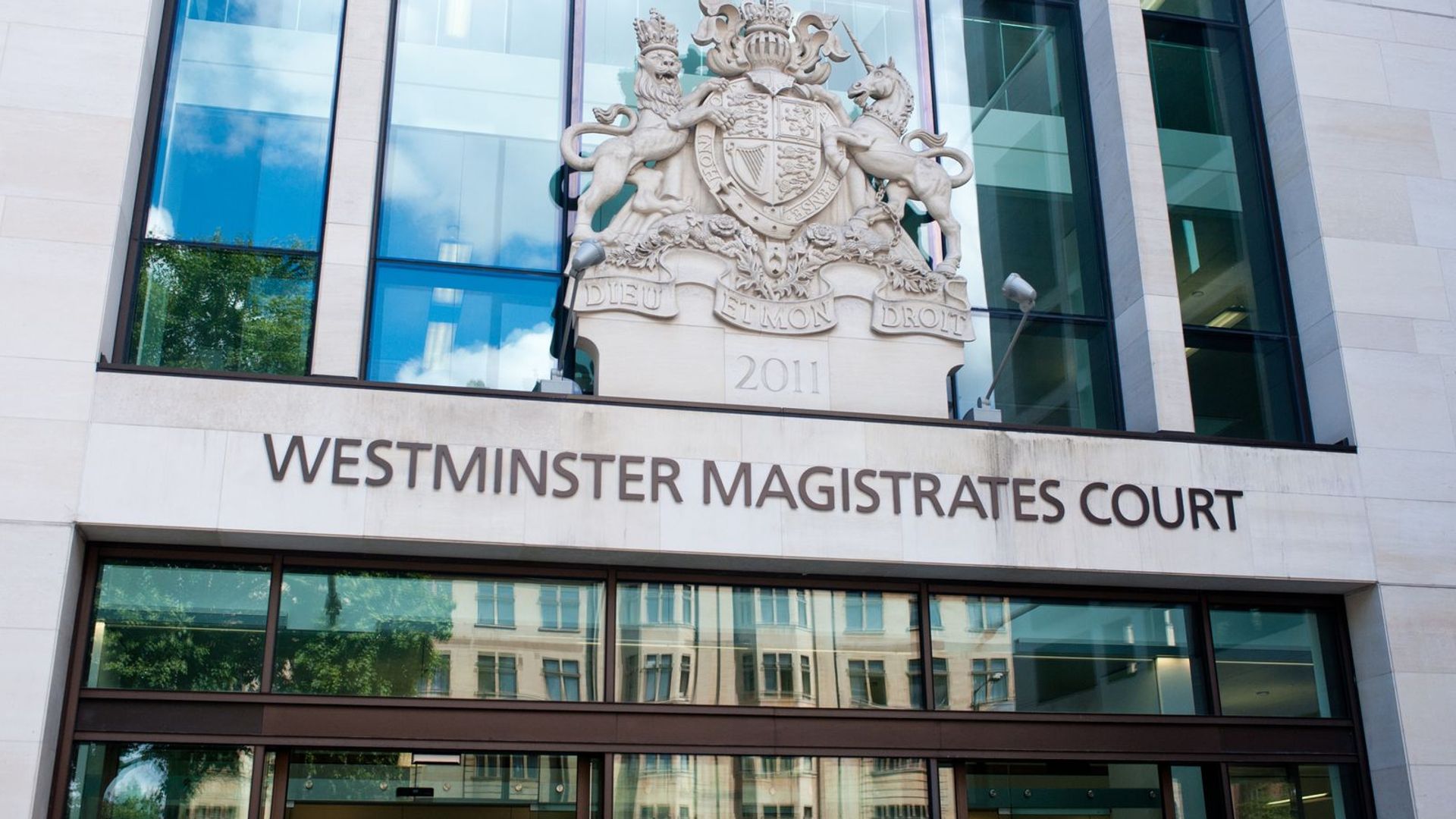
The nature of the assault—using boiling water mixed with sugar—suggests premeditation and a disturbing level of aggression. Such attacks not only endanger the lives and wellbeing of prison staff but also disrupt the security and order essential for managing high-risk offenders.
Who is Axel Rudakubana? Background on the Southport Killer
Axel Rudakubana gained notoriety following his conviction for the murder of a victim in Southport, a seaside town in Merseyside. His case attracted significant media attention due to the brutal nature of the crime and his subsequent behavior in custody.
Rudakubana’s incarceration at HMP Belmarsh reflects the severity of his offense and the perceived threat he poses to public safety. Belmarsh houses some of the country’s most dangerous offenders, including terrorists and violent criminals, under maximum security conditions.
His violent outburst adds to concerns about his behavior and psychological state during imprisonment. It also highlights the ongoing challenges that prison authorities face in managing inmates with violent tendencies.
Implications for Prison Safety and Staff Protection
This attack at HMP Belmarsh underscores the risks prison officers encounter daily while performing their duties. Staff safety remains a critical issue in UK prisons, particularly in facilities housing dangerous offenders like Rudakubana.
The use of boiling water mixed with sugar as a weapon is particularly alarming. It signals that inmates may exploit everyday items or substances to inflict harm, demanding constant vigilance and innovative safety protocols from prison authorities.
Following the incident, prison officials are likely reviewing security measures, staff training, and inmate monitoring to prevent similar events. The safety of prison personnel is paramount, as is maintaining order within correctional institutions that must balance security with rehabilitation.
Moreover, this violent episode may prompt discussions about the psychological evaluation and management of high-risk inmates. Ensuring mental health support and behavioral interventions could reduce the likelihood of such attacks.
What This Means Going Forward
The assault by Axel Rudakubana at HMP Belmarsh highlights the persistent dangers inside the prison system and the need for robust measures to protect staff and inmates alike. It raises pressing questions about how violent offenders are managed and what additional safeguards are necessary to prevent attacks.
For prison officers, incidents like this serve as a stark reminder of the unpredictable risks they face and the importance of comprehensive safety protocols. For policymakers and prison administrators, it underscores the urgency of investing in security enhancements and addressing the root causes of violent behavior within prisons.
As investigations continue, the prison service will likely intensify efforts to monitor and control inmates who pose serious threats, ensuring that HMP Belmarsh and similar institutions remain as secure as possible.
Ultimately, this incident stresses the critical need for ongoing evaluation and improvement of prison safety standards to protect those who work tirelessly to maintain justice and order behind bars.