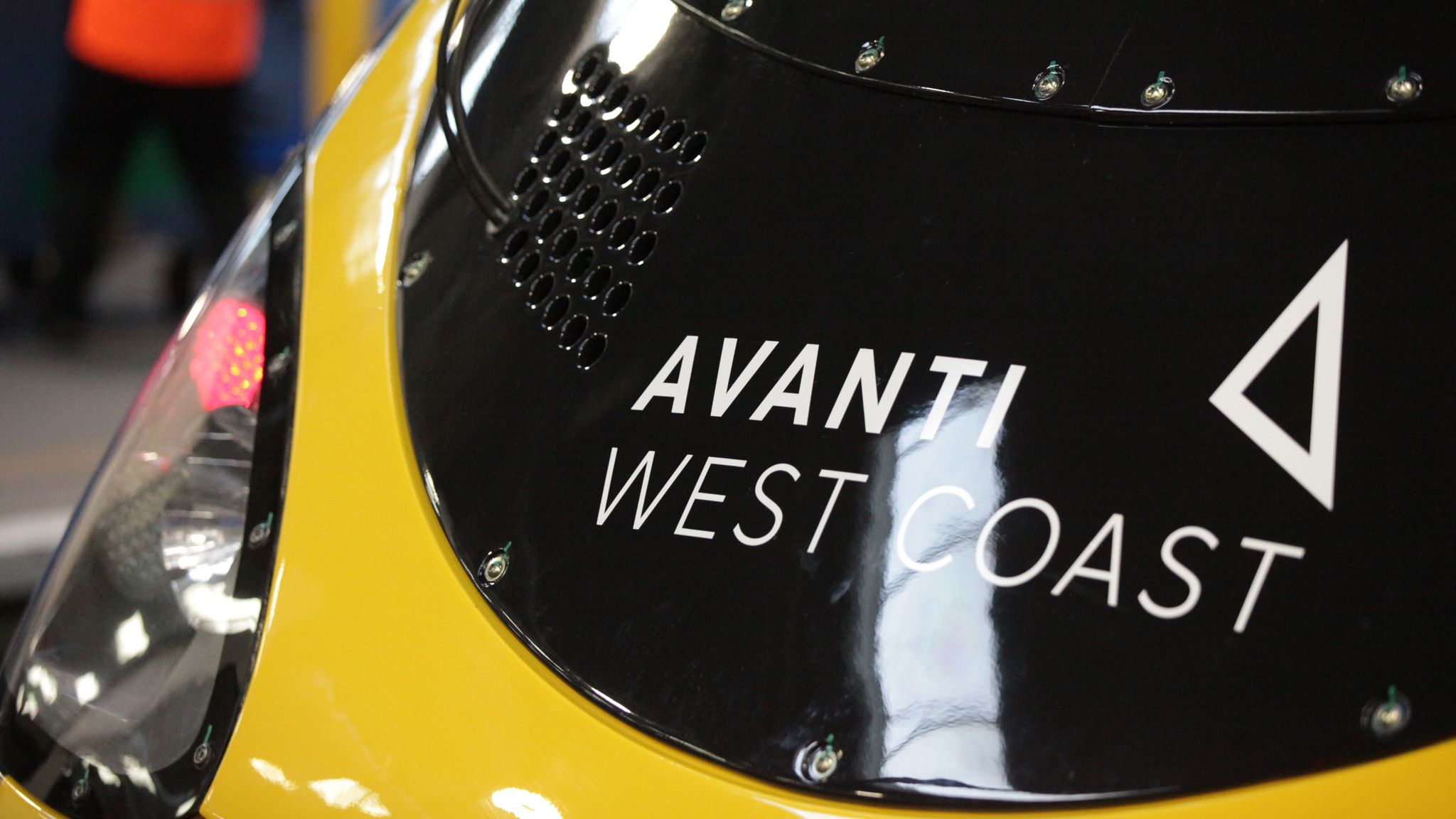
The UK government has confirmed that Avanti West Coast will be nationalised starting March next year, marking a significant shift in how rail services on the West Coast Main Line are managed. Transport Secretary Heidi Alexander announced the move as part of a broader strategy to “build a railway that actually works for people,” aiming to improve reliability and customer experience across one of Britain’s busiest rail routes.
Why Avanti West Coast Is Being Nationalised
Avanti West Coast, the private operator running services between London, the West Midlands, North West England, and Scotland, has faced ongoing challenges with punctuality, customer satisfaction, and service disruptions. The government’s decision to bring the company into public ownership reflects mounting concerns over the franchise model’s ability to deliver consistent, high-quality rail services.
Since its launch in December 2019, Avanti West Coast has struggled with operational difficulties, compounded by the COVID-19 pandemic and subsequent travel fluctuations. Passengers have reported frequent delays, cancellations, and overcrowding, leading to growing calls for a more accountable and responsive management structure.
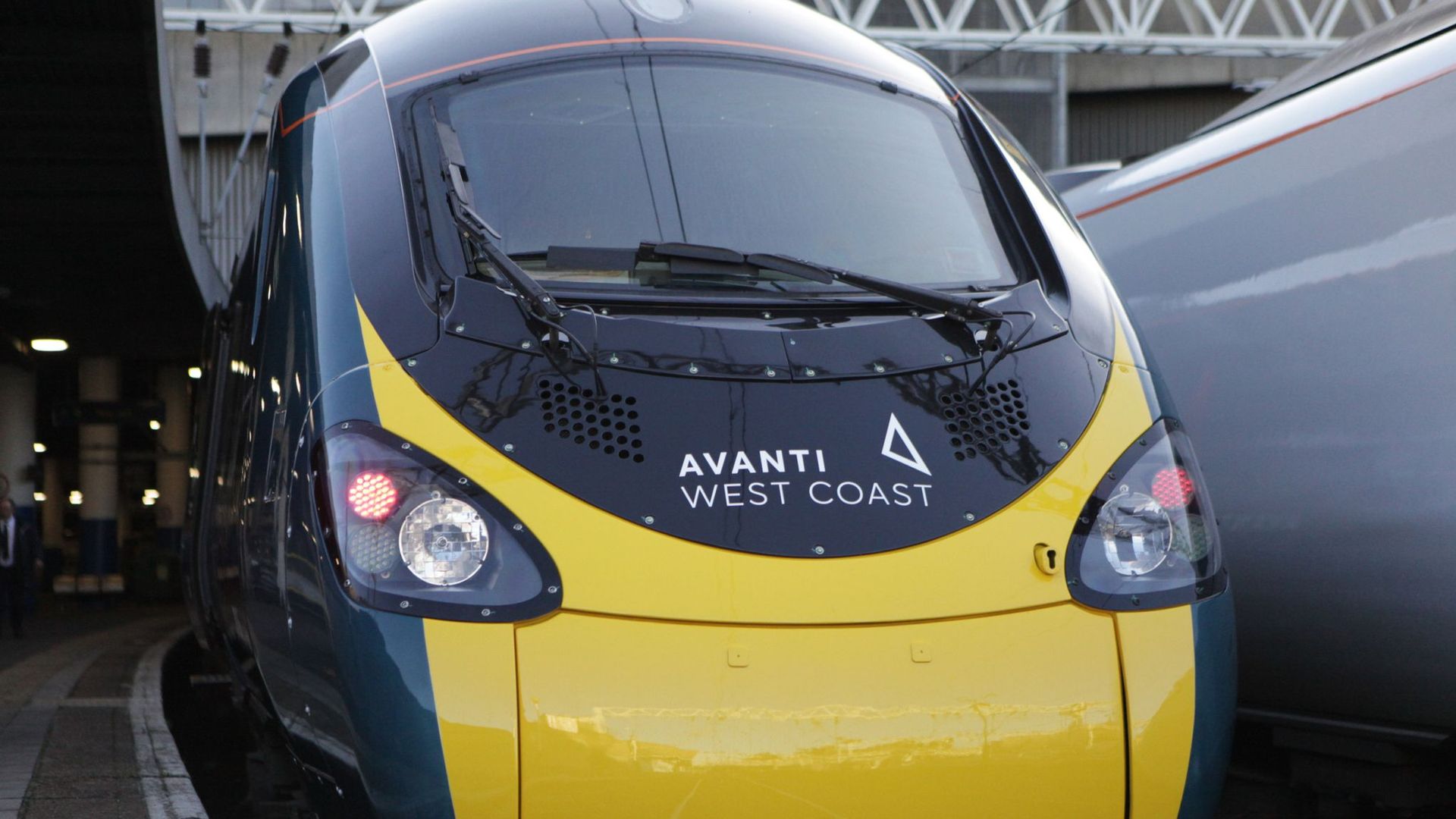
Transport Secretary Heidi Alexander emphasized that nationalisation would allow for direct government control, enabling investments and reforms tailored to passenger needs rather than shareholder profits. “This is about creating a railway system that prioritizes people, not profit,” she stated. The move follows a wider trend of re-evaluating the privatized rail system in the UK, which has seen several franchises returned to public hands due to underperformance.
What Nationalisation Means for Passengers and the Rail Network
Bringing Avanti West Coast under public ownership means the government will take over operational responsibilities, including staffing, scheduling, and infrastructure coordination. This transition aims to stabilize services, reduce delays, and improve communication with passengers during disruptions.
Nationalisation also allows for greater investment in modernizing trains and upgrading the rail infrastructure along the West Coast Main Line, a critical artery connecting major cities like London, Birmingham, Manchester, Liverpool, and Glasgow. Enhanced capacity and improved reliability will support economic growth and daily commuting for millions.
Passengers can expect a shift towards more customer-focused service delivery, with the government pledging to implement reforms based on feedback and data-driven insights. The goal is to create a rail network that is not only efficient but also accessible and environmentally sustainable.
The Broader Context: Rail Reform in the UK
The decision to nationalise Avanti West Coast fits within a larger government agenda to overhaul the UK’s rail system. Since the collapse of several franchises and widespread criticism of privatization, there has been increasing momentum toward greater public sector involvement.
Recently, the government introduced the Great British Railways (GBR) initiative, aiming to unify rail operations under a single public body responsible for infrastructure, ticketing, and service standards. Nationalising key franchises like Avanti West Coast represents a step toward this integrated model.
Transport Secretary Alexander highlighted that the current fragmented system has often led to inefficiencies and confusion for passengers. By consolidating control, the government hopes to create a more coherent, resilient, and passenger-friendly railway.
Looking Ahead: Building a Railway That Works
As the nationalisation takes effect in March, stakeholders across the rail industry and passenger groups will be closely watching how the transition unfolds. The government faces the challenge of balancing operational continuity with ambitious reform goals.
For passengers, the promise is clear: a railway that delivers dependable service, prioritizes customer needs, and supports the country’s broader transport and environmental objectives. Success will depend on sustained investment, effective management, and responsive governance.
The shift away from privatized franchises toward public ownership signals a new chapter for UK rail, one focused on serving the public interest. The nationalisation of Avanti West Coast could become a model for future reforms, aiming to rebuild confidence in Britain’s railways and ensure they genuinely work for the people who rely on them every day.