Passengers who play music or videos out loud on buses face fines of up to £100 as part of new measures aimed at curbing antisocial behaviour on public transportation. This crackdown represents a significant shift in how authorities are tackling disruptive conduct in shared travel spaces.
What Are the New Rules on Noise in Buses?
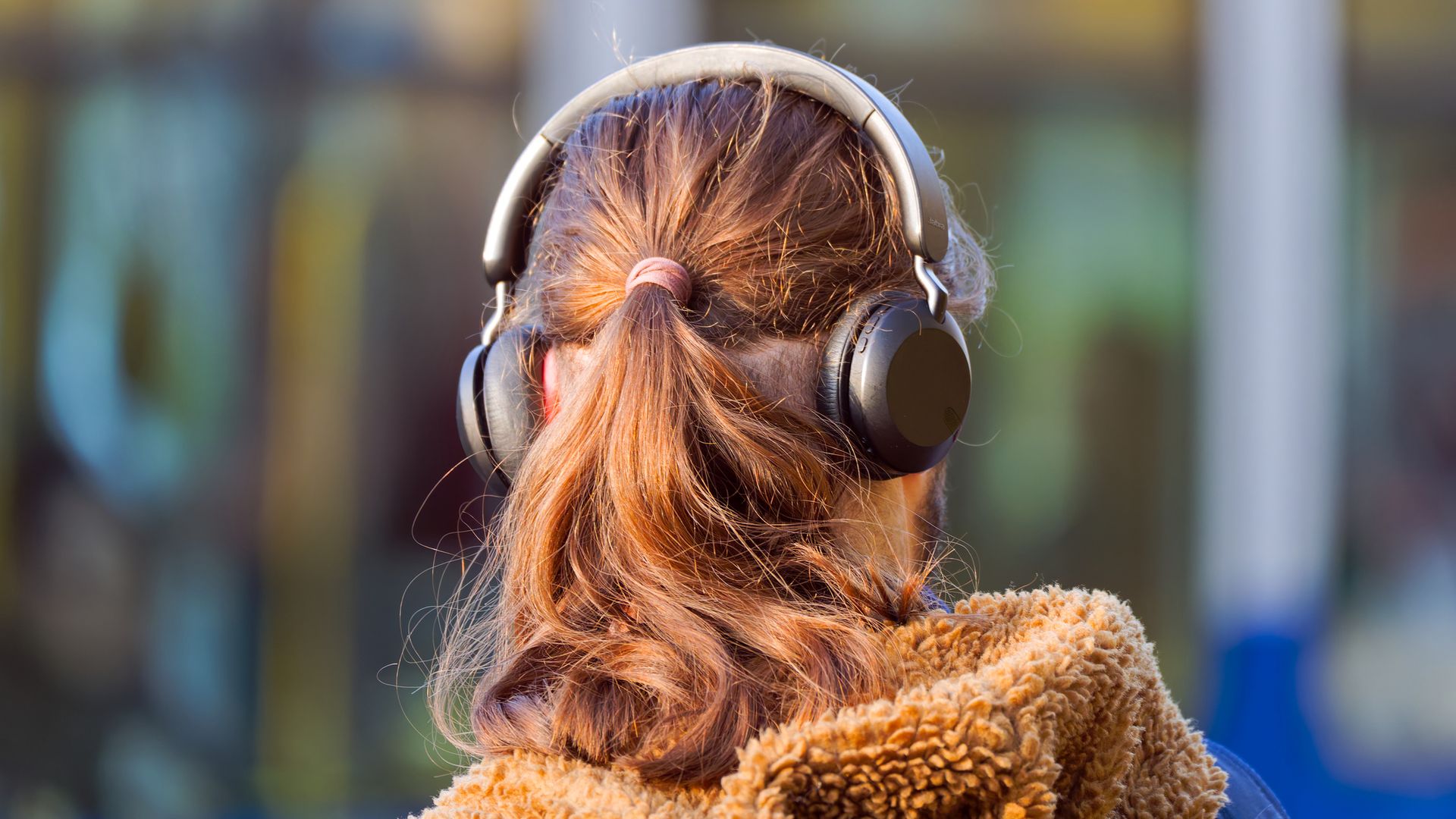
Under the recently implemented regulations, individuals caught playing audio content—such as music, videos, or podcasts—without headphones on buses can be issued a £100 penalty. This policy targets behaviour that disturbs fellow passengers and compromises the overall comfort and safety of the bus environment.
The fine is not merely a deterrent but part of a broader push to maintain public order and ensure that public transport remains a pleasant experience for everyone. Authorities emphasize that playing music or videos out loud can cause significant annoyance and stress, particularly during busy travel times or on long journeys.
These powers are being enforced by transit officials and local police who have been granted authority to issue on-the-spot fines. The move aligns with growing efforts across various cities to address noise pollution and reduce antisocial incidents in public spaces.
Why This Crackdown Matters for Public Transport
Public transportation serves millions daily, and maintaining a respectful atmosphere is crucial for passenger wellbeing. Loud music or videos can disrupt conversations, prevent people from relaxing, and create tension among riders. This is especially problematic for vulnerable groups such as the elderly, children, or those with sensory sensitivities.
By introducing a financial penalty, authorities hope to encourage passengers to use headphones and be more considerate of others. The measure also reflects a broader societal recognition of the need for shared spaces to accommodate diverse needs without conflict.
Antisocial behaviour on buses has been a persistent challenge, with noise complaints being one of the most frequent issues reported. This new enforcement tool provides transit authorities with a clear mechanism to respond swiftly and effectively.
What This Means for Bus Passengers and the Future
Passengers should now be aware that playing music or videos aloud on buses can lead to immediate fines. Using headphones is not just courteous but essential to avoiding penalties. This policy encourages a culture of respect and mindfulness when sharing public spaces.
Looking ahead, these fines may be part of a wider strategy to improve public transport experiences, including measures against other forms of antisocial behaviour such as vandalism, harassment, and fare evasion. Ensuring safe, comfortable travel environments is key to maintaining and increasing public transit use.
While some may view the fines as strict, the overarching goal is to foster a community-oriented approach where everyone’s comfort and rights are upheld. Passengers benefit from quieter, more peaceful journeys, and transport operators can focus on delivering reliable service without disruptions caused by noise.
In summary, the introduction of £100 fines for playing music or videos out loud on buses marks a decisive step in tackling noise-related antisocial behaviour, enhancing the public transport experience for all.