A recent critical incident declared at a prominent NHS Trust has officially ended after a significant reduction in the number of patients waiting for assessment in the Accident & Emergency (A&E) department. Despite this positive development, hospital officials caution that patients will continue to face long waiting times before receiving care, highlighting ongoing pressure within the healthcare system.
What Happened: The Critical Incident and Its Resolution
The NHS Trust declared a critical incident following an overwhelming surge in demand on its emergency services. Such incidents are triggered when hospitals experience extreme pressure that threatens the delivery of safe, effective care. In this case, the critical incident was due to a backlog of patients waiting for assessment in the A&E department, a scenario that can compromise patient safety and staff capacity.
Hospital leadership responded by mobilizing additional resources and implementing urgent measures to ease the strain. These efforts paid off as the number of patients awaiting assessment dropped significantly, allowing the Trust to formally declare the critical incident over.
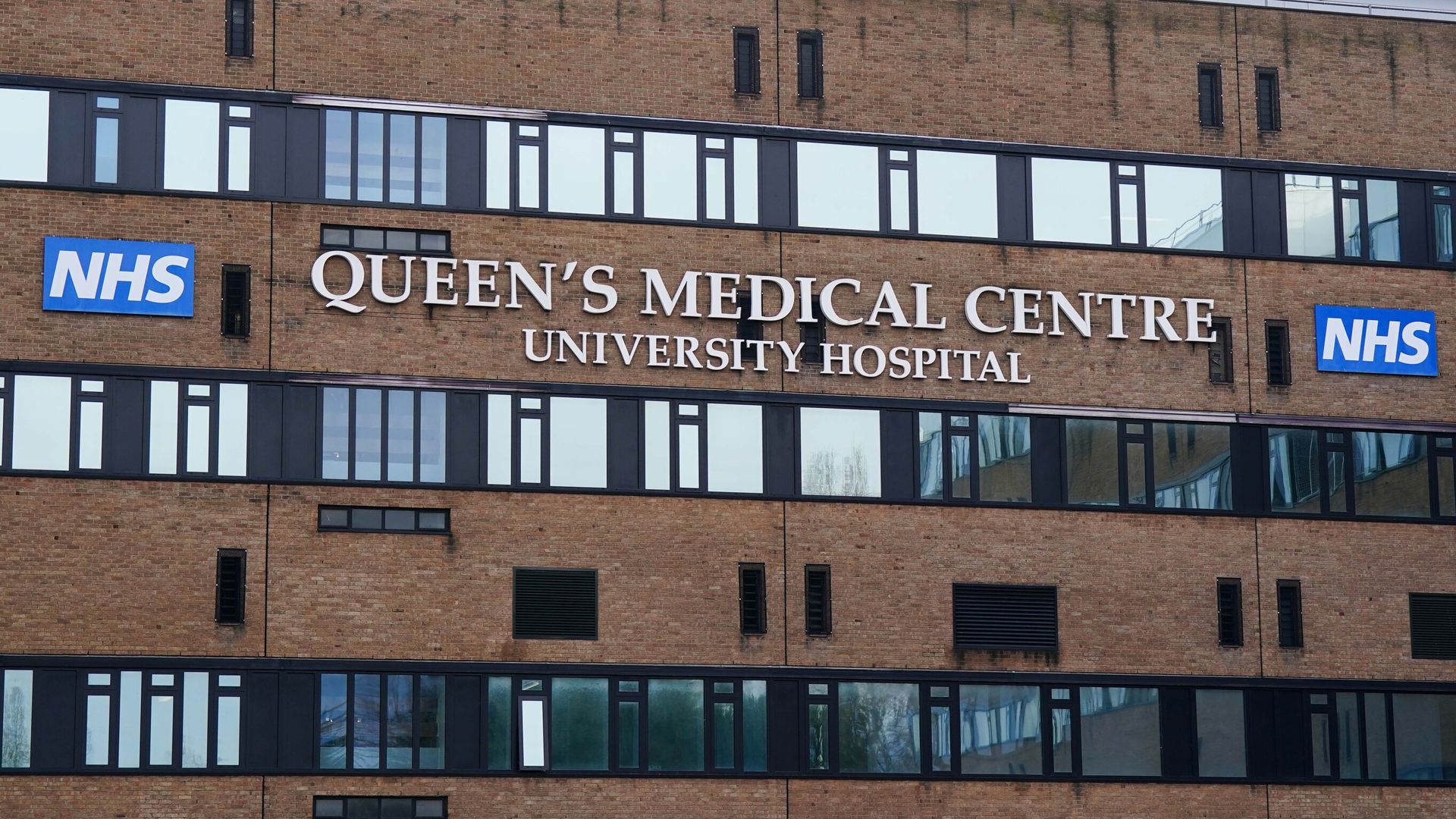
While the resolution of the critical incident marks an important milestone, it does not mean that the challenges facing the emergency department have vanished. NHS Trust officials emphasize that although the immediate crisis has passed, the backlog and demand remain substantial. As a result, patients are still likely to experience extended wait times before receiving treatment.
Why It Matters: The Ongoing Strain on NHS Emergency Services
The recent critical incident underscores the broader, systemic pressures facing NHS emergency departments across the country. Increasing patient numbers, staff shortages, and resource constraints contribute to these persistent challenges. As emergency departments struggle to balance urgent care needs with capacity, the risk of delays and compromised service quality grows.
Long waits in A&E do not just inconvenience patients—they can have serious consequences for health outcomes. Delays in assessment and treatment can worsen medical conditions and increase the stress on healthcare staff already working under intense conditions. This cycle impacts patient experience and can strain other parts of the healthcare system, such as inpatient wards and ambulance services.
The NHS Trust involved is not alone in facing these pressures. Many hospitals nationwide have reported similar difficulties, especially during periods of heightened demand such as seasonal illness spikes or public health crises. Addressing these systemic issues requires coordinated efforts at local and national levels to support frontline services, improve patient flow, and expand capacity where needed.
What Comes Next: Navigating Patient Care Amid Continued Challenges
Hospital leaders are urging patients to seek care appropriately and to be prepared for possible delays. They highlight the importance of using alternative healthcare pathways when suitable, such as urgent care centers or NHS 111 services, to alleviate pressure on emergency departments.
Meanwhile, the Trust continues to implement strategies aimed at reducing wait times and improving patient outcomes. These include streamlining triage processes, increasing staffing levels where possible, and enhancing coordination with community health services to ensure timely discharges and reduce inpatient bed shortages.
Despite these efforts, experts warn that long waits in A&E may remain a reality for some time, reflecting the complex challenges NHS hospitals face in meeting rising demand. Policymakers and healthcare leaders must prioritize investment and reform initiatives to strengthen emergency care capacity and resilience.
Looking Ahead: The Future of Emergency Care at the NHS Trust
The ending of the critical incident at this NHS Trust represents a temporary relief rather than a permanent solution. It highlights the delicate balance emergency departments must maintain between demand and capacity to deliver safe, timely care.
For patients, the key takeaway is to anticipate possible wait times and utilize the full spectrum of NHS services to receive the appropriate level of care efficiently. For healthcare providers and authorities, the incident is a stark reminder of the urgency in addressing the root causes of strain within the NHS system.
Ongoing monitoring, investment, and innovation will be essential to ensure that emergency departments can cope with future surges and continue to provide high-quality care to all patients in need.