The UK government is urging citizens to build a personal reserve of food, water, and vital emergency supplies as part of a nationwide campaign to bolster resilience against potential cyberattacks, climate disasters, and other crises. This initiative aims to empower individuals and families to manage disruptions independently, reducing strain on public services during emergencies.
What the ‘Be Ready’ Checklist Includes
The ‘Be Ready’ campaign provides a comprehensive checklist for households to prepare effectively for a range of unexpected situations. Central to the advice is maintaining a supply of non-perishable food items that can sustain a family for several days. This includes tinned goods, dried foods, and ready-to-eat meals that require minimal preparation.
Equally important is securing an adequate quantity of drinking water. Experts recommend at least four litres per person per day, enough to cover hydration and basic hygiene needs for a minimum of three days. This precaution addresses scenarios where water supplies may be interrupted due to infrastructure failures or contamination.
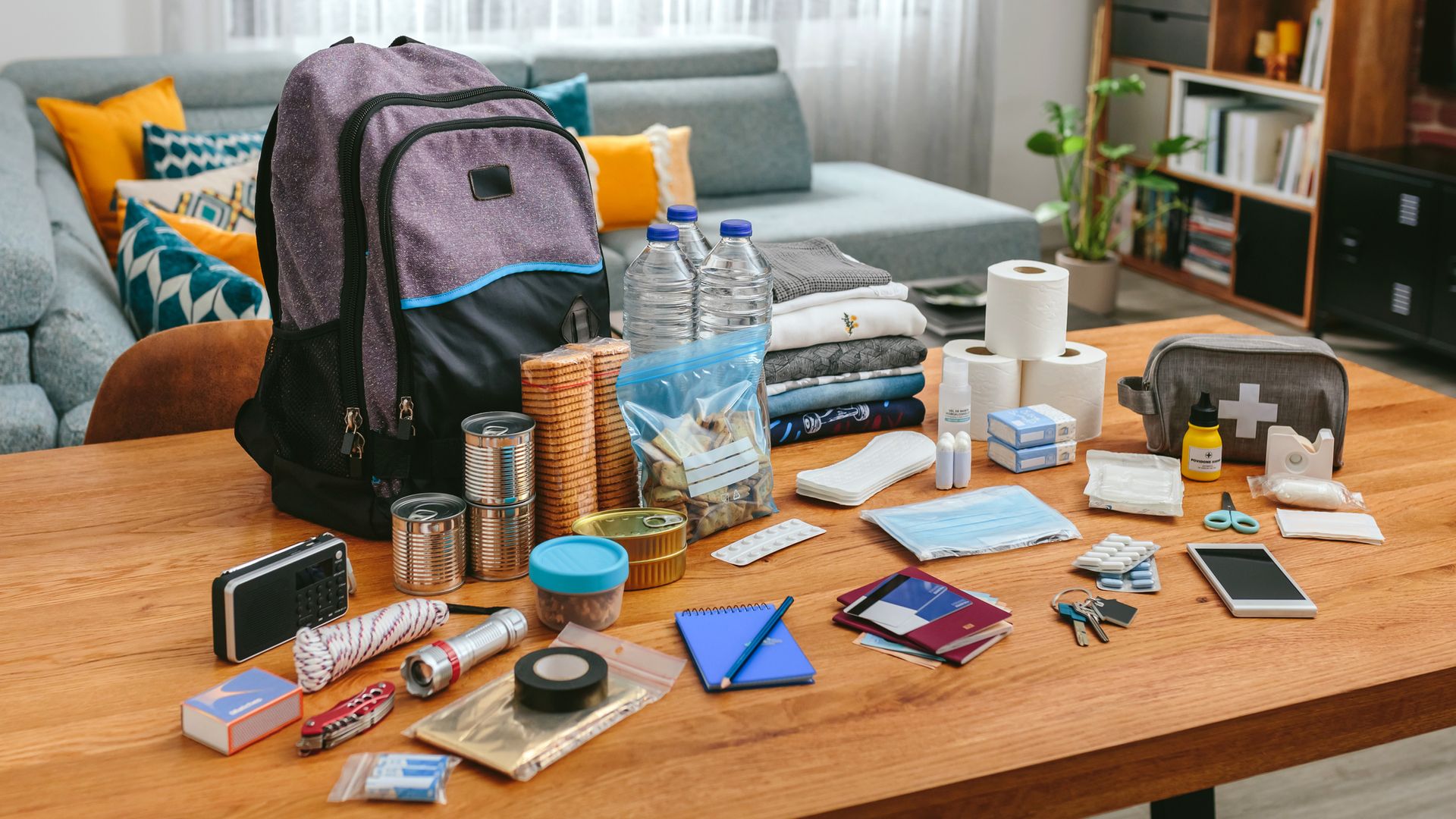
In addition to food and water, the checklist emphasizes assembling an emergency kit containing essential items such as:
- First aid supplies to treat minor injuries
- Battery-powered or wind-up torches and radios to stay informed during power outages
- Charged power banks for mobile devices to maintain communication
- Warm clothing and blankets to cope with cold conditions
- Personal hygiene products including hand sanitizers and wet wipes
- Copies of important documents stored securely
These measures are designed to help individuals maintain safety, health, and communication when conventional support systems are compromised.
Why This Preparation Matters Now
The call for widespread readiness comes amid growing concerns about the UK’s vulnerability to diverse threats. Cyberattacks targeting critical infrastructure have become increasingly sophisticated, potentially disrupting electricity, water, and communication networks. Simultaneously, extreme weather events linked to climate change—such as flooding and prolonged heatwaves—pose urgent risks to communities across the country.
Government officials stress that while emergency services remain robust, their capacity could be overwhelmed in large-scale incidents. Encouraging citizens to prepare helps mitigate the impact of disasters, enabling families to remain self-sufficient during initial response phases.
Moreover, the campaign reflects lessons learned from the COVID-19 pandemic, where supply chain interruptions and sudden demand spikes highlighted the importance of personal preparedness. By proactively stockpiling essentials, households can reduce panic buying and ease pressure on retailers and emergency responders.
How to Get Started and Stay Informed
Experts recommend that everyone assesses their household’s specific needs, including dietary requirements, medications, and the presence of young children or elderly relatives. Preparing a tailored emergency kit ensures that all members of the family can cope comfortably during a crisis.
The government’s ‘Be Ready’ resources provide practical guidance and downloadable checklists to assist with planning. Citizens are encouraged to regularly rotate stored food and water to maintain freshness and check expiry dates on supplies.
Staying informed about potential threats is also crucial. Reliable sources such as the UK’s official government websites and local authorities offer timely updates on emergencies and advice on how to respond. Investing in battery-powered radios or devices with emergency alert capabilities can keep households connected even when mobile networks fail.
Looking Ahead: Building a More Resilient UK
The ‘Be Ready’ initiative marks a significant step in fostering a culture of preparedness across Britain. By urging individuals to take responsibility for their own safety, the campaign not only enhances personal security but also strengthens community resilience. In times of crisis, well-prepared citizens can support each other and reduce demand on emergency services, contributing to a faster and more effective recovery.
Ultimately, this approach recognizes that while governments and first responders play vital roles, the foundation of national security rests on the readiness of its people. As threats evolve in complexity and scale, proactive preparation becomes indispensable.
Britons are encouraged to view the ‘Be Ready’ checklist as an essential tool—not just for rare emergencies but as part of everyday household planning. Building these habits today can safeguard lives tomorrow.