The recent theft of a rare ant colony from a protected nature reserve in Devon has alarmed conservationists, who describe the incident as a “significant loss” that undermines years of dedicated work by staff and volunteers. This unprecedented event not only disrupts the delicate ecological balance but also threatens ongoing conservation projects aimed at preserving this unique species.
What Happened: The Theft of a Rare Ant Colony
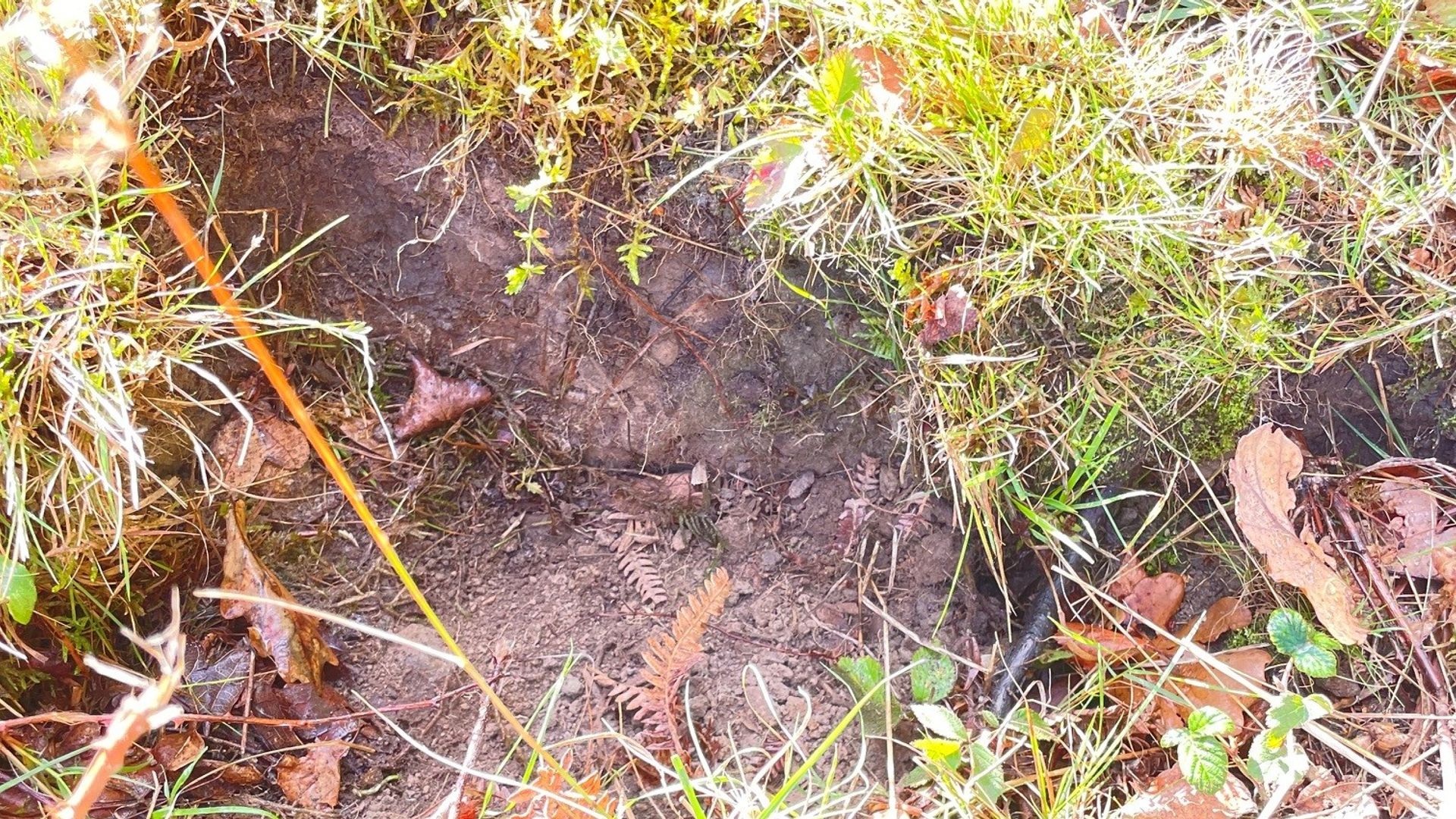
At an undisclosed location within Devon’s nature reserve, a specialized ant colony known for its rarity and ecological importance was stolen in a carefully orchestrated act. Conservation experts emphasize the colony’s significance, noting that such species play vital roles in maintaining ecosystem health. The theft is especially concerning because this particular colony had been nurtured and monitored for several years, with meticulous efforts invested in ensuring its survival and proliferation.
Conservation staff and volunteers had painstakingly established and maintained the colony under controlled conditions, balancing the ants’ natural habitat requirements with protection from environmental threats. The loss of this colony represents not only the physical disappearance of an essential insect group but also a disruption to the broader biodiversity conservation strategy employed at the reserve.
Why This Matters: Ecological and Conservation Implications
Ant colonies, particularly rare species, serve as keystone components within their ecosystems. They contribute to soil aeration, nutrient cycling, and the control of pest populations, supporting plant growth and overall habitat vitality. The stolen colony in Devon was part of a targeted conservation initiative aimed at bolstering local biodiversity and preventing the species’ decline due to habitat loss and environmental pressures.
Conservationists warn that removing such a colony can have cascading effects on the ecosystem. The loss disrupts the natural processes the ants support, potentially leading to unforeseen consequences for other wildlife and plant species. Moreover, the theft sets back conservation progress by years, as the colony’s unique genetic makeup and population cannot be quickly or easily replaced.
Volunteers and professionals alike express frustration and sadness, highlighting the emotional and practical investment made to protect the colony. Their efforts included habitat restoration, careful monitoring, and public education to raise awareness about the colony’s importance. The theft undermines these initiatives and may discourage future conservation work if such acts remain unchecked.
What Comes Next: Protecting Vulnerable Species and Preventing Future Theft
In response to this incident, conservation authorities in Devon are likely to review and enhance security measures within nature reserves, especially those housing rare or endangered species. Increased surveillance, community engagement, and stricter penalties for wildlife theft may be implemented to deter similar crimes.
Additionally, this event underscores the urgent need for broader public awareness about the value of preserving insect biodiversity. Rare ant colonies are not just curiosities; they are integral parts of healthy environments. Conservation groups may ramp up education campaigns to inform local residents and visitors about how to protect these fragile communities.
Authorities are currently investigating the theft, seeking any leads that could recover the stolen colony or bring those responsible to justice. Meanwhile, conservationists are redoubling their efforts to identify and safeguard other vulnerable populations to prevent further losses.
Closing Takeaway: A Call to Value and Protect Nature’s Smallest Guardians
The theft of the rare ant colony in Devon serves as a stark reminder of the fragility of our natural world and the critical importance of conservation work. These tiny insects play outsized roles in maintaining ecosystem health, and their loss reverberates far beyond their immediate environment. Protecting such species requires vigilance, respect, and collective action from communities, authorities, and conservationists alike.
As investigations continue, the Devon nature reserve’s experience highlights a broader challenge: safeguarding biodiversity against human threats. The hope remains that through increased awareness and stronger protections, future generations will inherit a thriving natural heritage, where rare species like this ant colony can flourish undisturbed.