In a striking revelation, Members of Parliament have highlighted a troubling regulatory gap: many hair and beauty products undergo less stringent safety checks than everyday items like ballpoint pens. This disparity raises serious concerns about consumer safety and the potential health risks people face from products they use daily.
What the MPs Found: A Regulatory Imbalance
The parliamentary inquiry uncovered that haircare and cosmetic items, despite being applied directly to the body and scalp, are subject to far less rigorous oversight than seemingly mundane products such as pens. Ballpoint pens, which pose minimal direct health risks, are regulated with a level of scrutiny that exceeds that of numerous beauty products.
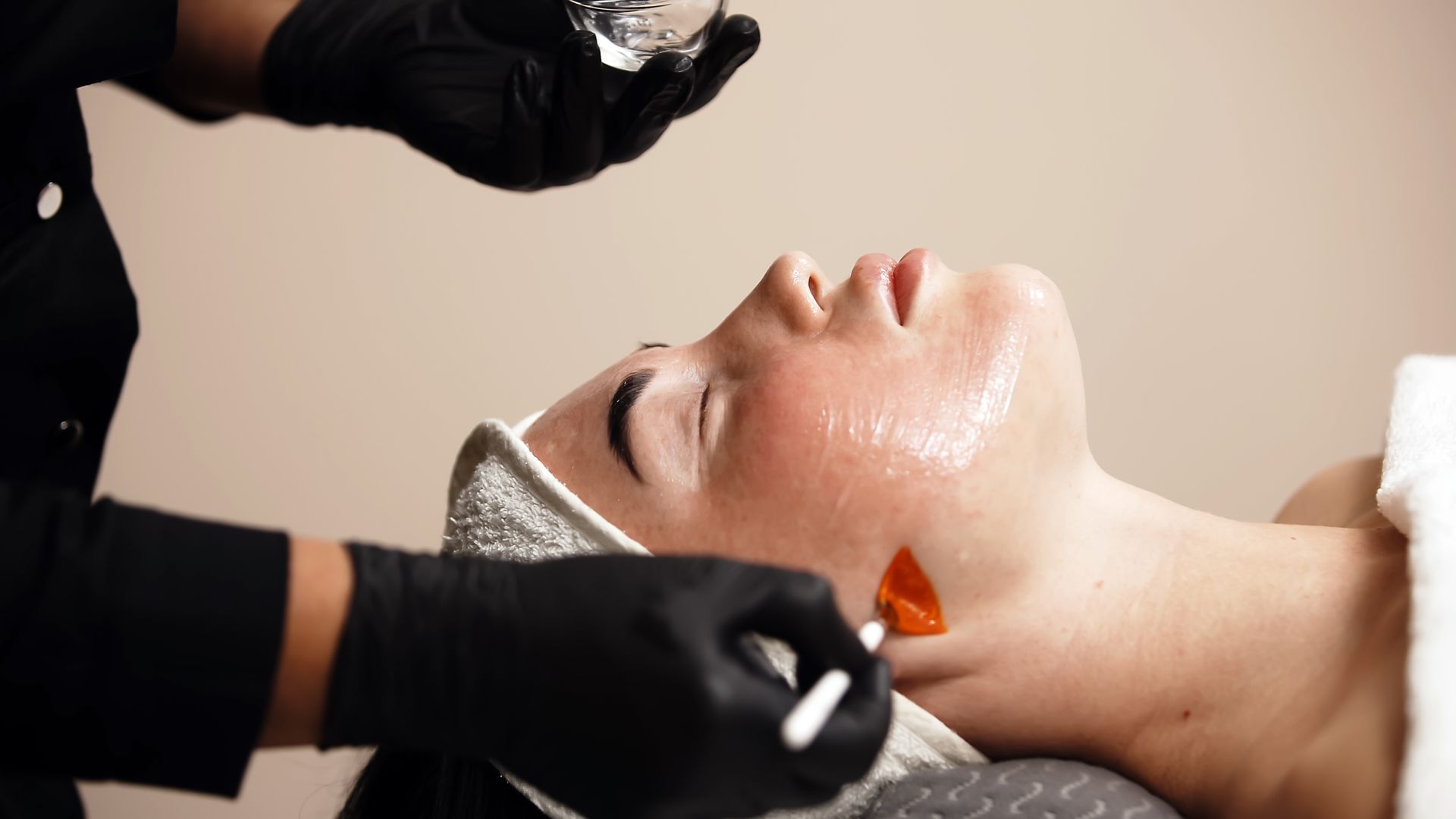
MPs pointed out that this imbalance is not just a bureaucratic anomaly but has real-world consequences. Consumers are reportedly experiencing adverse effects, including allergic reactions, skin irritation, and in some cases, more severe health issues linked to ingredients that have not been adequately tested or controlled.
Why This Regulatory Gap Exists
The current regulatory framework governing cosmetics and hair products is fragmented and outdated. Unlike pharmaceuticals or food products, cosmetics often fall under less stringent legislation. The rules primarily rely on manufacturers to self-certify safety without mandatory independent testing or comprehensive ingredient disclosure.
In contrast, items like ballpoint pens are regulated through established safety standards to prevent hazards such as choking or chemical exposure, even though the risk is generally low. This paradox stems from historical legislative priorities that have not kept pace with the booming beauty industry and its evolving product innovations.
Experts and MPs emphasize that the beauty sector’s rapid growth, combined with a proliferation of novel ingredients—many of which lack long-term safety data—demands urgent regulatory overhaul. Without this, consumers remain vulnerable to unsafe formulations.
Who Is Affected and What This Means for Consumers
The impact of these regulatory shortcomings is widespread. Consumers, particularly those with sensitive skin or pre-existing health conditions, bear the brunt of inadequate safety measures. Vulnerable groups, such as pregnant women and children, also face heightened risks from exposure to potentially harmful chemicals.
Furthermore, the lack of transparency around ingredients makes it difficult for consumers to make informed choices. Labels can be misleading or incomplete, complicating efforts to avoid allergens or toxic substances.
Industry stakeholders have begun calling for stricter controls, including mandatory safety assessments, clearer labeling requirements, and enhanced government oversight. Such reforms could align the beauty product regulations more closely with those of other consumer goods, ensuring consistent protection standards.
What Comes Next: The Path Toward Safer Beauty Products
MPs are urging the government to prioritize updating cosmetic regulations. This involves revisiting existing laws to close loopholes that currently allow substandard products to reach the market. Introducing mandatory independent safety testing and comprehensive ingredient transparency are key proposals under consideration.
Regulatory agencies will need to collaborate with scientific experts, consumer advocates, and industry leaders to craft legislation that balances innovation with safety. This approach aims to restore consumer confidence and reduce health risks associated with everyday beauty routines.
Moreover, increasing public awareness about product safety and encouraging consumers to report adverse reactions can help regulators monitor and respond to emerging issues more effectively.
Why It Matters: Protecting Public Health in a Growing Industry
The MPs’ findings underscore a critical public health concern. As the global beauty market continues to expand, the potential for exposure to unsafe products escalates. Without robust regulation, the health consequences could become more severe and widespread.
Ensuring that hair and beauty products meet high safety standards is not merely a regulatory formality—it is essential to safeguarding millions of consumers who trust these products daily. Closing the regulatory gap will help prevent avoidable harm and promote a safer, more transparent beauty industry.
Full details of the parliamentary inquiry’s recommendations have not yet been finalized, but the call for urgent reform signals a turning point toward stronger consumer protection in the hair and beauty sector.