In a powerful display of civil unrest, dozens of protesters were detained outside the Supreme Court as they gathered to contest the government’s ban on the activist group Palestine Action. This confrontation unfolded just hours before a crucial hearing set to determine the legality of the ban, intensifying the spotlight on the ongoing conflict between state authorities and grassroots activism.
Protesters Face Arrest Ahead of Landmark Hearing
The arrests occurred amidst heightened tensions surrounding the legal challenge mounted by Palestine Action against the government’s decision to prohibit their activities. The group, known for its direct action campaigns targeting companies involved in arms manufacturing and other industries linked to the Israeli-Palestinian conflict, has faced increasing scrutiny and opposition from authorities.
Activists assembled outside the Supreme Court early in the day, voicing their dissent against what they consider an unjust restriction on their right to protest and campaign. The police response was swift and decisive, leading to multiple detentions aimed at dispersing the crowd and maintaining order. This crackdown underscores the government’s firm stance against Palestine Action and similar activist networks.
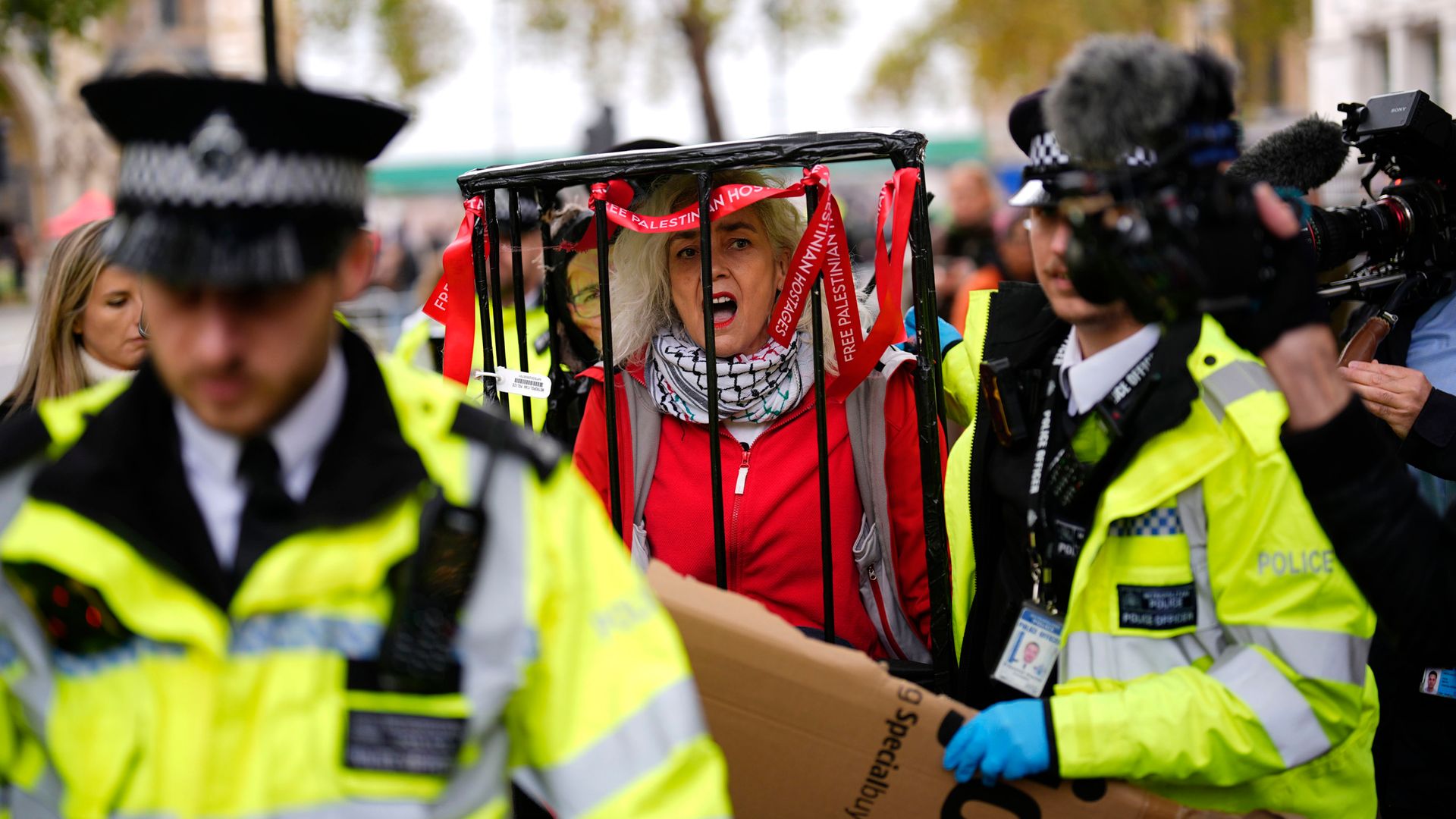
Protesters argued that the ban undermines fundamental freedoms of speech and assembly, framing it as part of a broader pattern of suppressing pro-Palestinian advocacy. Legal representatives for Palestine Action assert that the ban lacks a solid legal foundation and infringes on democratic rights guaranteed under British law.
The Significance of the Supreme Court Hearing
The hearing scheduled at the Supreme Court holds significant implications not only for Palestine Action but for the wider landscape of political activism in the UK. The government’s ban on the group followed a series of high-profile protests that disrupted operations at several defense contractors and companies linked to military exports.
Palestine Action’s legal challenge aims to overturn the ban, arguing it is disproportionate and violates civil liberties. The case will test the balance between national security concerns cited by the government and the protection of protest rights enshrined in law. Legal experts note that the ruling could set a precedent affecting how activist groups operate in the future.
The government has defended the ban by citing concerns over public order and the potential for damage to property, emphasizing the need to curb what it describes as unlawful activities. Meanwhile, supporters of Palestine Action emphasize the ethical dimensions of their protests, highlighting opposition to arms sales and advocacy for Palestinian rights.
What This Means for Activism and Free Speech
The clash outside the Supreme Court and the pending legal decision spotlight ongoing tensions between activism and state authority in the UK. If the ban is upheld, it could signal a tougher regulatory environment for direct action groups, potentially chilling dissent on politically sensitive issues.
Conversely, a successful challenge by Palestine Action would reaffirm protections for protest activities, reinforcing the right to peaceful demonstration even when it involves contentious geopolitical matters. The outcome will reverberate beyond this single case, influencing public discourse on civil liberties and government power.
The arrests outside the court serve as a stark reminder of the stakes involved. They illustrate the lengths to which both protesters and authorities are willing to go to assert their positions. This moment encapsulates broader debates about the role of activism in democratic society and the limits imposed by legal frameworks.
Looking Ahead
As the Supreme Court deliberates, all eyes remain on this pivotal case. The ruling will provide clarity on how the UK balances security concerns with the fundamental rights of protest, shaping the future of activism related to international human rights issues.
For Palestine Action and its supporters, the hearing represents a critical juncture in their fight for recognition and legitimacy. Regardless of the verdict, the protest movement surrounding the Israeli-Palestinian conflict continues to galvanize public attention and provoke important conversations about justice, accountability, and free expression.
The full impact of the Supreme Court’s decision will unfold in the weeks and months ahead, marking a defining moment for civil rights advocates and government regulators alike.