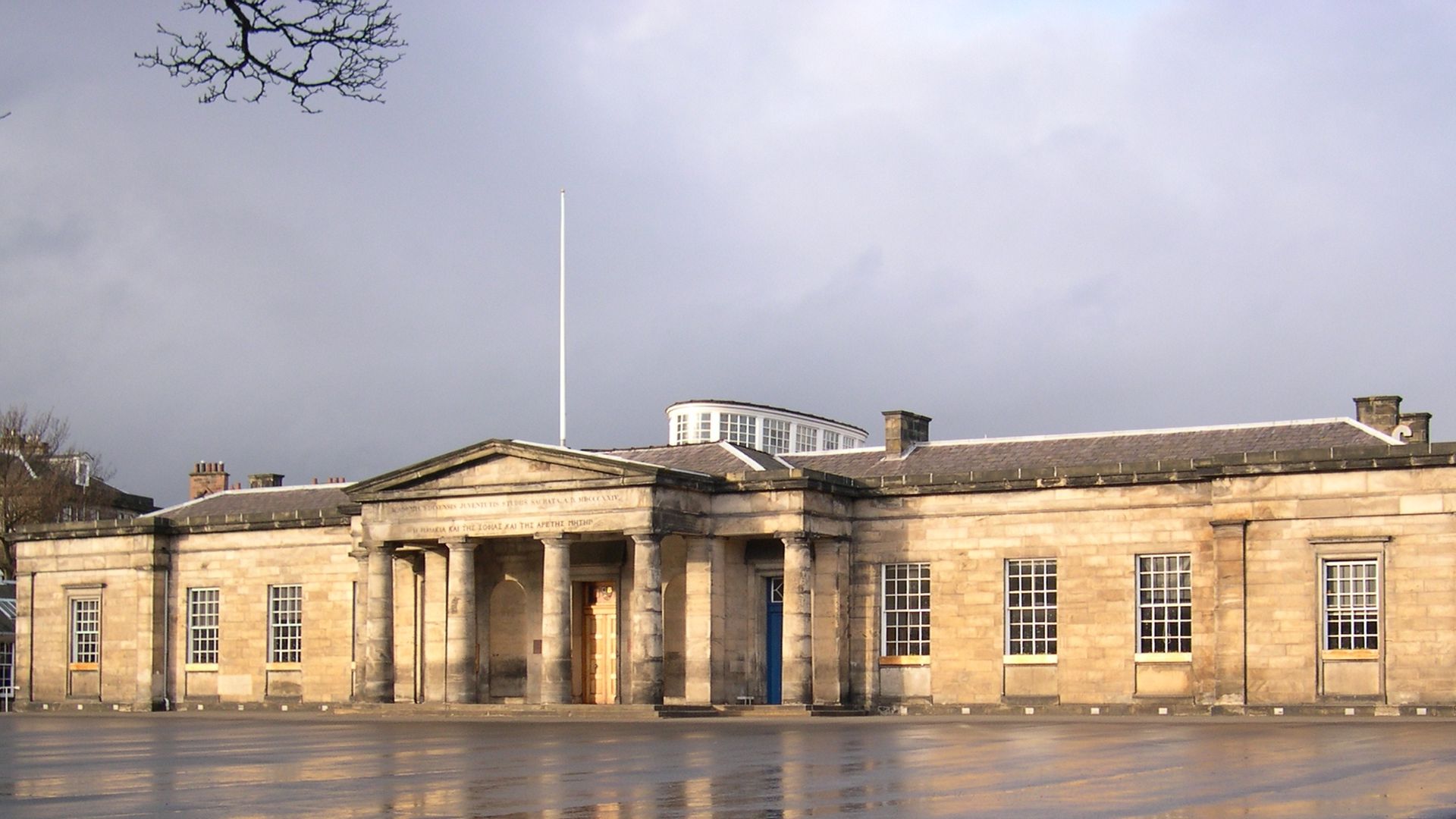
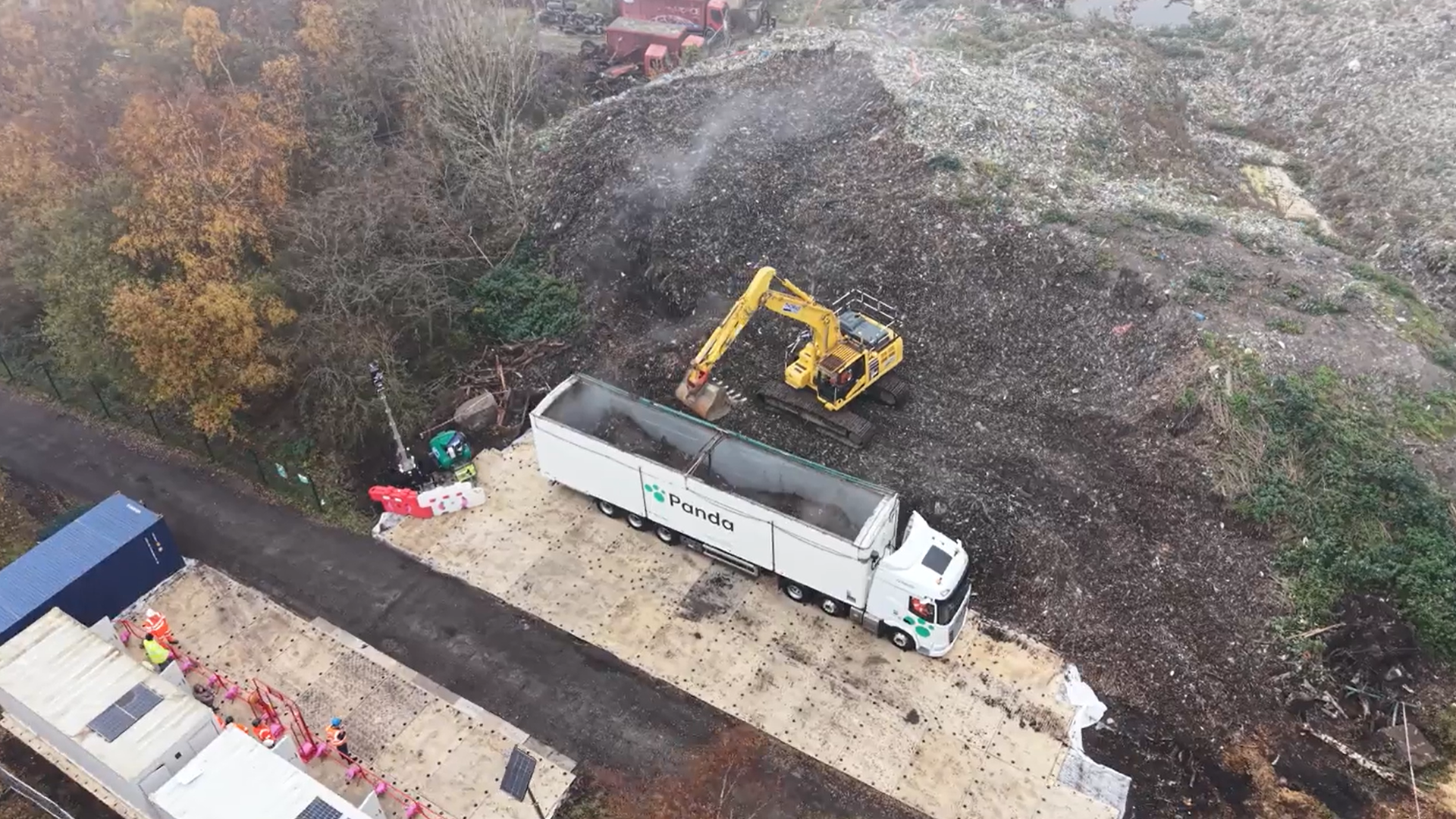
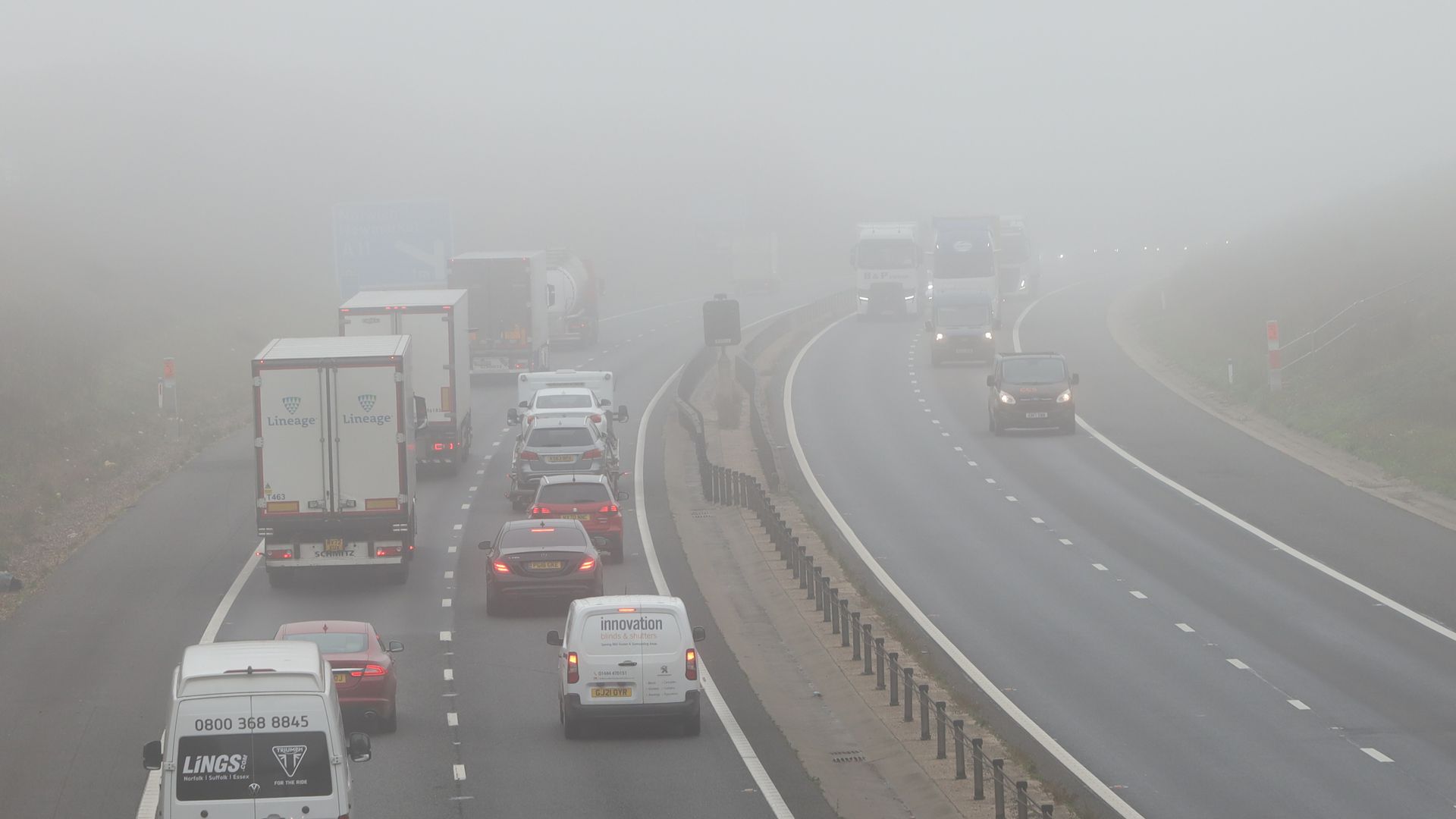
On 24 October, the United Kingdom experienced an extraordinary weather event as two powerful storms—Austen and Boelo—simultaneously battered different regions of the country. This rare meteorological occurrence pushed rainfall totals to some of the highest levels ever recorded in British history, marking the day as one of the wettest in the nation’s weather archives.
Storms Austen and Boelo: A Dual Assault on the UK
The UK rarely encounters two major storms striking at the same time, but on this particular day, both Storm Austen and Storm Boelo unleashed heavy rains and strong winds across distinct areas. Austen primarily affected the southern and southwestern parts of England, while Boelo swept across northern and eastern regions, creating a widespread impact that stretched from coast to coast.
The convergence of these meteorological systems caused intense rainfall rates, leading to rapid water accumulation and severe flooding in some localities. Emergency services were stretched as they responded to multiple flood warnings and infrastructure challenges, highlighting the vulnerability of the UK’s drainage and flood defense systems in the face of such extreme weather.
Record-Breaking Rainfall Totals
Data collected from weather stations nationwide revealed that the rainfall totals on 24 October reached unprecedented heights in several locations. Many areas saw daily precipitation amounts surpassing known historical records, underscoring the storm system’s severity. These records are especially significant given the UK’s longstanding tradition of meticulous weather recording, which extends back over a century in many regions.
Experts attribute the intensity of this dual storm event partly to shifting atmospheric patterns influenced by broader climate trends. The interaction between Austen and Boelo created a unique scenario where moisture-laden air masses collided with cold fronts, amplifying rainfall intensity and duration.
Why Such Extreme Weather Matters
This historic rainfall event carries important implications for the UK’s preparedness against future climate challenges. As extreme weather episodes become more frequent and intense, understanding the dynamics of storms like Austen and Boelo becomes crucial for infrastructure resilience and public safety planning.
Flooding disrupts communities, damages property, and strains emergency resources. The 24 October storms highlighted the need for enhanced flood defenses, better early warning systems, and more robust urban drainage networks. Local governments and agencies are now tasked with evaluating their current strategies and adapting to a future where such weather phenomena may become the norm rather than the exception.
Who Was Affected?
The widespread nature of the storms meant that millions across the UK were impacted to some degree. From commuters facing travel delays due to flooded roads and rail disruptions, to homeowners coping with water damage, the storms had a tangible effect on daily life. Agricultural sectors also faced challenges, as saturated fields delayed harvesting and threatened crops.
What Comes Next: Tracking Weather Records with New Tools
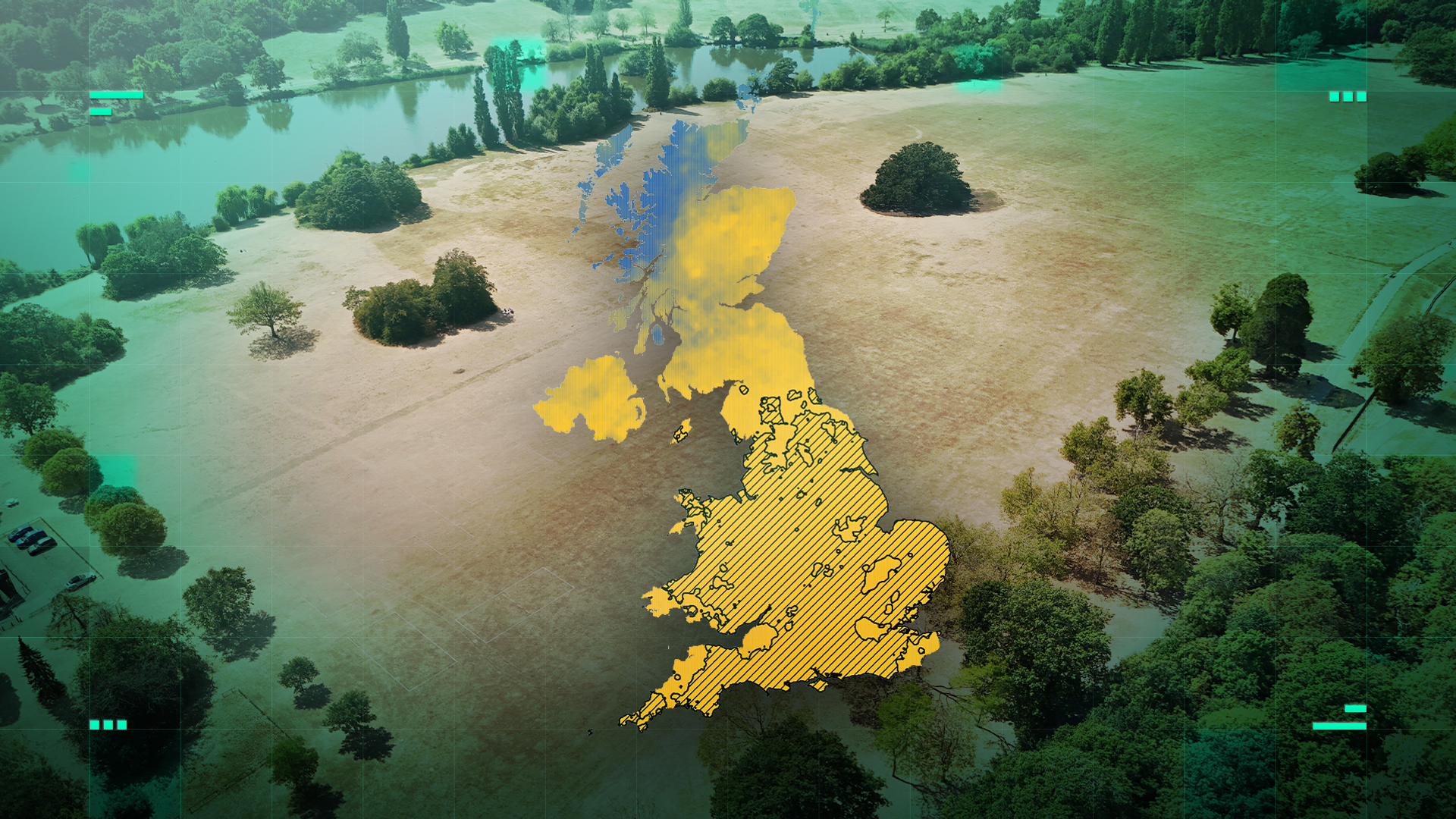
In the wake of this extreme weather event, many residents are curious about how their local rainfall compared to past records. To meet this demand, meteorological agencies have introduced innovative digital tools that allow users to check if recent weather has broken historical records in their area.
These tools provide accessible, up-to-date information on rainfall, temperature, and wind speed records, empowering communities to better understand and prepare for extreme weather. They also serve as vital resources for scientists monitoring climate trends and for policymakers crafting adaptive strategies.
By engaging with these tools, individuals can gain a clearer picture of how climate variability is influencing their environment and what measures they might need to adopt to mitigate future risks.
Looking Ahead: Building Resilience in a Changing Climate
The simultaneous strikes of Storm Austen and Storm Boelo on 24 October stand as a stark reminder of the increasing volatility in the UK’s weather patterns. As climate change continues to alter atmospheric conditions, events that once seemed rare may become more commonplace.
Recognizing these shifts compels governments, communities, and individuals to invest in resilience. This includes upgrading infrastructure, enhancing emergency response capabilities, and promoting sustainable land use practices that reduce flood risk.
Ultimately, the record-breaking rains serve as both a challenge and a catalyst—highlighting vulnerabilities while driving innovation in weather monitoring and climate adaptation.
Staying informed through reliable data and embracing proactive measures can help the UK better withstand future storms and protect its citizens from the growing threats posed by extreme weather.