London faces a significant environmental challenge as dense fog blankets the city, prompting authorities to issue a high air pollution alert. This warning comes alongside forecasts predicting difficult travel conditions and widespread transport delays across much of the UK.
What Happened: Dense Fog Triggers Pollution Concerns
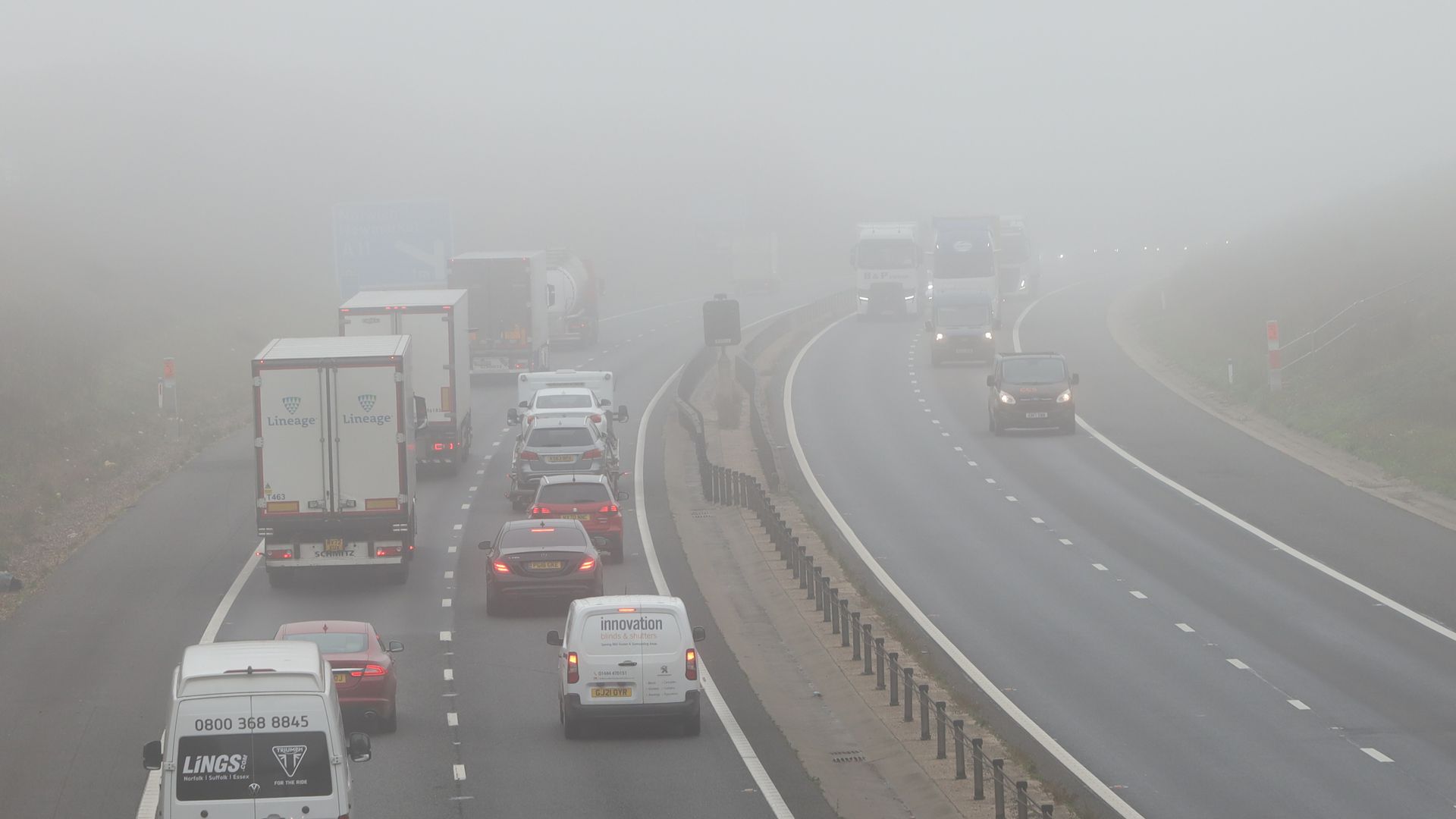
Thick fog has settled over London and parts of southern England, drastically reducing visibility and creating hazardous conditions for commuters and travelers. The fog acts as a trap for pollutants, preventing their dispersion and causing air quality to deteriorate rapidly. As a result, the London Air Quality Network raised the pollution alert to a high level, signaling increased health risks for vulnerable groups such as children, the elderly, and individuals with respiratory conditions.
The combination of stagnant atmospheric conditions and emissions from traffic, heating systems, and industrial activities has led to elevated concentrations of harmful particulate matter (PM2.5 and PM10) and nitrogen dioxide (NO₂). These pollutants can aggravate asthma, bronchitis, and other lung diseases, making the alert crucial for public health awareness.
Why It Matters: Impact on Health and Travel
The dense fog, coupled with high pollution levels, poses a dual threat. Besides the immediate health concerns, commuters face significant challenges navigating through the city and surrounding regions. Visibility has dropped to below 100 meters in some areas, increasing the risk of accidents on roads and railways.
Transport authorities across the UK have warned of potential delays and cancellations. Airports may experience disruptions due to poor visibility, affecting both domestic and international flights. Rail services are also expected to slow down, as safety protocols require reduced speeds in foggy conditions.
For drivers, foggy conditions necessitate caution, with experts advising slower speeds, use of fog lights, and maintaining safe distances. Public transport users should anticipate longer journey times and plan accordingly.
What Comes Next: Preparing for Ongoing Conditions
Meteorologists predict that the fog and high pollution levels could persist for several days, especially in urban centers with heavy traffic and industrial activity. Authorities urge residents to stay informed through official air quality updates and weather forecasts.
Health officials recommend minimizing outdoor activities during the alert period, particularly for sensitive populations. Schools and workplaces are encouraged to consider flexible arrangements to reduce exposure during peak pollution hours.
Efforts to reduce emissions temporarily, such as limiting non-essential vehicle use and promoting public transport, cycling, or walking, are critical to mitigating the impact. Environmental groups emphasize the need for longer-term solutions to improve air quality and reduce vulnerability to such weather-related pollution spikes.
Why This Matters: Understanding the Bigger Picture
The current situation in London highlights the complex interplay between weather conditions and environmental health. Dense fog not only disrupts daily life but also exacerbates pollution problems that affect millions. This event serves as a reminder of the importance of monitoring air quality and implementing sustainable urban policies.
As climate patterns shift and urban areas expand, incidents of fog-induced pollution may become more frequent or severe. Preparing infrastructure and public health systems to respond effectively is essential to safeguarding communities.
In the short term, residents must stay vigilant and adjust their routines to protect their health and safety. Long-term, coordinated action across government, industry, and citizens is vital to reduce pollution sources and enhance air quality resilience.
Stay updated on air quality alerts and travel advisories to navigate these challenging conditions safely.