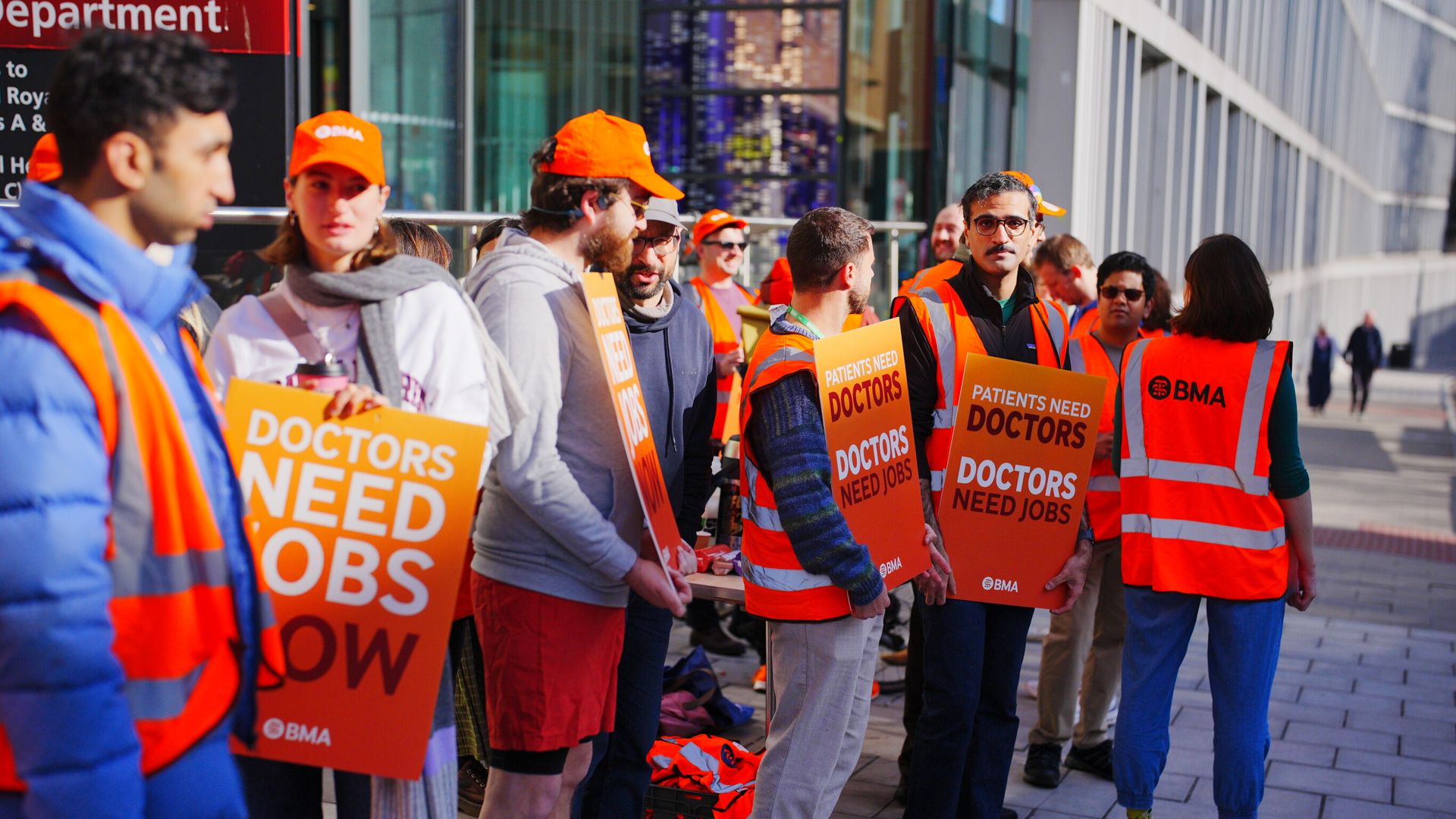
Consultant doctors across England have temporarily halted their planned strike action following constructive discussions with government representatives, the British Medical Association (BMA) confirmed. This development marks a significant pause in a conflict that has raised serious concerns about healthcare delivery and patient care in the NHS.
Background: Why the Strike Was Called
The strike by consultant doctors was initially scheduled to address longstanding grievances regarding pay, working conditions, and staffing levels within the National Health Service (NHS). Consultants, who are senior doctors responsible for critical decision-making and patient care, have expressed frustration over what they describe as inadequate compensation and unsustainable workloads.
These concerns have been mounting over several years, exacerbated by the pressures of the COVID-19 pandemic which stretched NHS resources to their limits. The proposed strike was set to disrupt elective surgeries, outpatient clinics, and other vital health services, potentially impacting thousands of patients nationwide.
Details of the Government-BMA Discussions
The British Medical Association, the trade union and professional body representing doctors in the UK, engaged in intensive talks with government officials aimed at resolving the dispute. Although specific details of the negotiations have not been fully disclosed, the BMA emphasized that the decision to pause the strike came after “constructive discussions” that offered a pathway toward addressing the doctors’ concerns.
This pause provides an opportunity for further negotiation and avoids immediate disruption to NHS services, giving both parties time to work on a sustainable solution. The BMA has highlighted that while the strike is suspended, the underlying issues remain unresolved, indicating that future industrial action could be reconsidered if progress stalls.
Implications for the NHS and Patients
The suspension of the strike is a relief for patients and healthcare providers alike, as it prevents the cancellation of thousands of appointments and procedures that would have otherwise been affected. However, the dispute underscores the significant challenges facing the NHS, including workforce shortages, pressures on hospital capacity, and the need for competitive pay to retain skilled medical professionals.
Consultant doctors play an essential role in the functioning of hospitals, often leading clinical teams and making critical decisions in patient care. Their dissatisfaction signals broader systemic issues that could impact healthcare quality and accessibility if left unaddressed.
What Comes Next: Monitoring Progress and Future Prospects
With the strike action paused, attention now turns to the ongoing negotiations between the BMA and the government. Both sides face pressure to find common ground that balances fiscal responsibility with fair compensation and improved working conditions for consultants.
Healthcare leaders and policymakers will be closely monitoring the situation, aware that failure to resolve this dispute could lead to renewed industrial action and further strain on the NHS. The BMA’s stance suggests that doctors remain committed to advocating for meaningful change but are open to dialogue that leads to tangible improvements.
For patients and the public, this pause offers a temporary reprieve but also highlights the urgent need for investment in the NHS workforce. Sustainable solutions will be critical to ensure the health service can meet growing demand without compromising the quality of care.
Takeaway: A Step Forward Amid Ongoing Challenges
The decision to pause the consultant doctors’ strike in England reflects a cautiously optimistic moment in a complex dispute affecting one of the UK’s most vital public services. While immediate disruptions have been averted, the underlying issues of pay, workload, and NHS capacity remain pressing concerns that require continued attention.
This development underscores the importance of ongoing dialogue between medical professionals and government representatives to safeguard the future of healthcare in England. The coming weeks will be crucial in determining whether this pause leads to lasting solutions or merely postpones further conflict within the NHS.