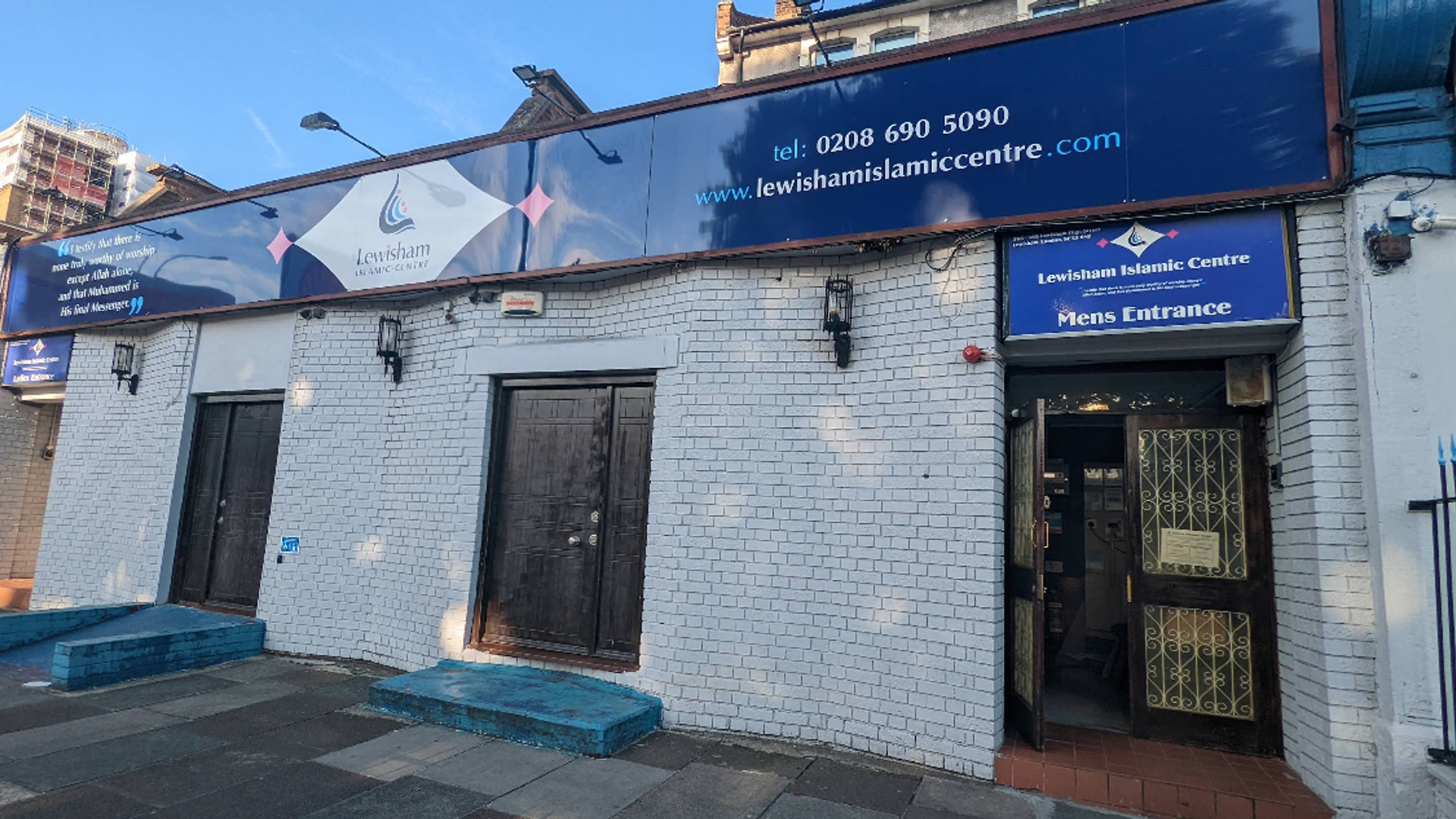
An Islamic centre recently received a formal warning from the national charities regulator after being accused of delivering sermons described as “inflammatory” and “divisive.” In response, the centre has announced it is pursuing legal advice to address the regulator’s concerns and clarify its position.
What Happened: The Warning from the Regulator
The Islamic centre came under scrutiny after the charities regulator reviewed the content of sermons delivered on its premises. The regulator concluded that some sermons contained material that could potentially incite division or foster hostility within the community. As a result, the centre received an official warning, highlighting the need for compliance with standards set for charitable organisations, especially those engaged in religious activities.
The regulator’s role includes ensuring that charities operate within legal frameworks, promoting social cohesion and preventing any form of extremism or hate speech. In this case, the warning signals serious concerns about the nature of the messages being shared during sermons, prompting closer oversight.
Why the Warning Matters: Implications for Religious Organisations
Religious centres and charities hold a unique position in society, often serving as community hubs for education, support, and spiritual guidance. However, they are also expected to adhere to strict guidelines that prohibit the promotion of inflammatory rhetoric or divisive ideologies. When a regulator steps in with a warning, it underscores the delicate balance these organisations must maintain between freedom of religious expression and societal responsibility.
This warning not only affects the Islamic centre in question but also serves as a cautionary example for other religious charities. It highlights the increasing scrutiny such organisations face to ensure their activities foster inclusivity rather than discord. Furthermore, it raises important questions about how religious teachings are conveyed in multicultural societies and the role of oversight bodies in maintaining harmony.
What Comes Next: Seeking Legal Advice and Potential Outcomes
In light of the warning, the Islamic centre has decided to consult legal experts to understand its rights and obligations fully. Seeking legal advice will help the centre navigate the regulatory framework, evaluate any possible breaches, and determine the best course of action to address the concerns raised.
Legal counsel may also assist in clarifying whether the sermons in question violated specific laws or guidelines and advise on measures to prevent future issues. This could involve revising sermon content, enhancing oversight mechanisms, or engaging with the regulator to demonstrate compliance.
The centre’s decision to pursue legal advice indicates its intent to respond proactively and constructively to the regulator’s concerns. It also shows a commitment to upholding its role within the community while addressing any misunderstandings or misinterpretations of its messages.
Why This Development Matters
This situation highlights the ongoing challenges faced by religious organisations in balancing their spiritual missions with evolving legal and social expectations. As communities become more diverse and interconnected, the scrutiny of public messages—especially those delivered from influential platforms like religious centres—intensifies.
The warning issued to the Islamic centre serves as a reminder that freedom of religion does not exempt organisations from responsibility. It also opens a broader conversation about how religious institutions can contribute positively to social cohesion without compromising their beliefs.
For regulators, this case underscores the importance of clear guidelines and constructive engagement with religious charities, ensuring that their oversight supports both community safety and religious freedom.
Looking Ahead
The Islamic centre’s next steps will be closely watched by both the regulator and the wider community. How it responds could set a precedent for similar organisations navigating the complex intersection of faith, law, and societal expectations.
Ultimately, this episode emphasizes the need for open dialogue, transparency, and mutual understanding between religious groups and regulatory bodies to foster inclusive communities where diverse beliefs coexist respectfully.