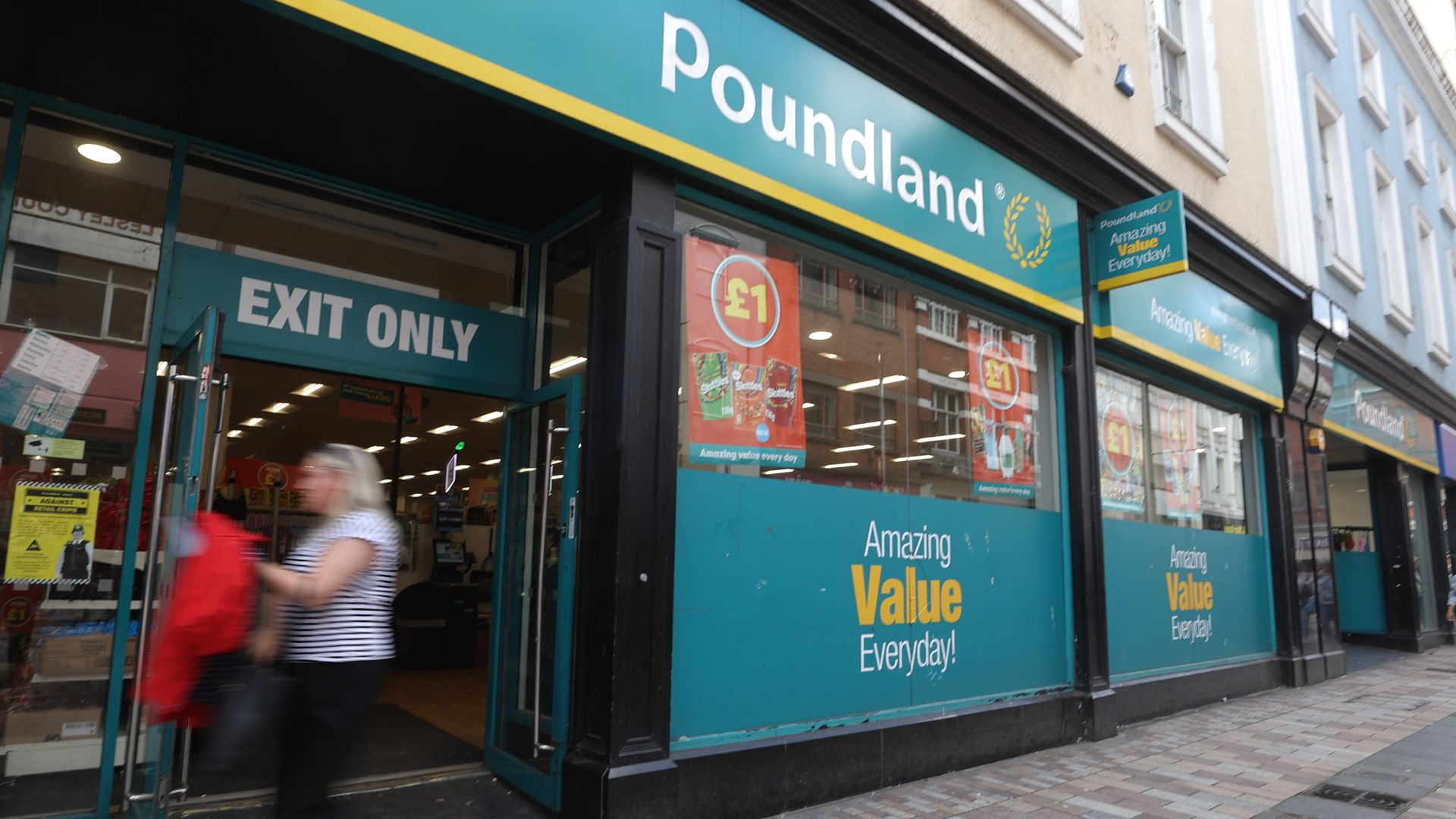
The company behind Poundland, currently grappling with challenges in the UK retail sector, has emerged as a potential suitor for Dune, a prominent British footwear retailer facing significant financial uncertainty. This development signals a high-stakes battle for control of a major UK high street player, as Dune edges closer to a precarious crossroads.
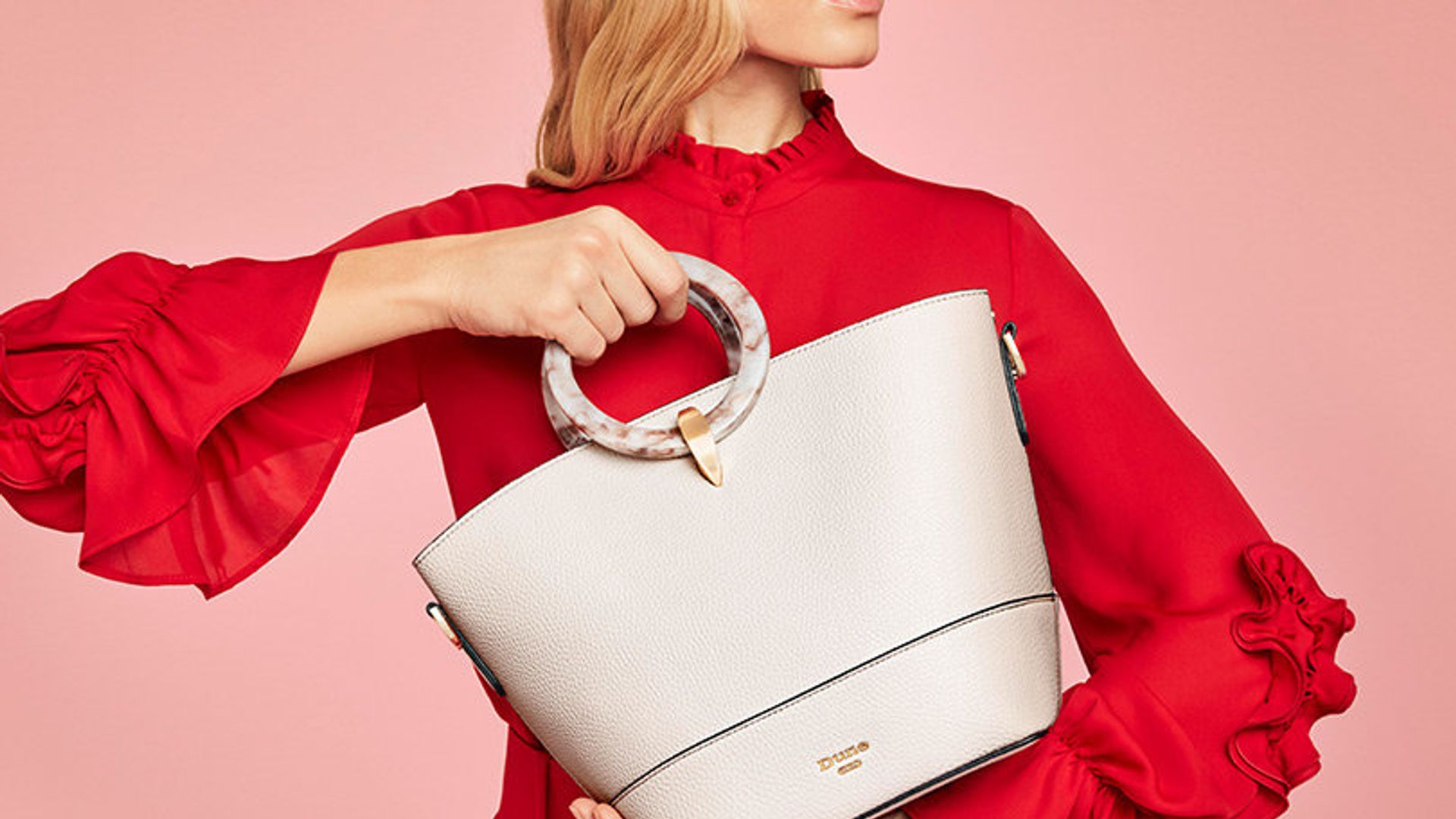
Who Is Eyeing Dune and Why It Matters
The owner of Poundland, a discount retail chain well-known across the UK, has attracted attention among several interested parties looking to acquire Dune. The footwear brand, recognized for its stylish yet accessible shoes, has been a staple on British high streets for years. However, like many traditional retailers, it has struggled to maintain profitability amid shifting consumer habits and the rise of online shopping.
Dune’s financial difficulties have intensified recently, placing it on the brink of collapse. This has sparked a flurry of interest from investors and retail groups hoping to capitalize on its established brand name and loyal customer base. The Poundland owner’s interest in Dune is particularly notable given their current challenges in sustaining profitability and adapting to a changing retail landscape.
The Current State of Poundland and Dune
Poundland’s owner has been under pressure due to the impact of inflation, reduced consumer spending, and the ongoing transformation of UK high streets. The discount retailer is navigating a tough market where customers are more cautious, and operational costs continue to rise. Despite these hurdles, the company appears to be seeking strategic acquisitions such as Dune to diversify its portfolio and strengthen its foothold in the retail sector.
Meanwhile, Dune has experienced declining sales and profitability as foot traffic on high streets diminishes. The footwear brand’s struggles reflect broader challenges faced by many brick-and-mortar retailers, which have been further exacerbated by the COVID-19 pandemic’s lasting effects on shopping behaviors. As a result, Dune’s future hangs in the balance, with potential acquisition offers offering a possible lifeline.
What This Potential Deal Could Mean for UK Retail
If the Poundland owner successfully acquires Dune, it could signal a significant shift in the UK retail landscape. Combining Poundland’s extensive discount retail experience with Dune’s fashion-focused footwear expertise might create new opportunities for growth and innovation. Such a merger could allow for operational synergies, cost reductions, and revitalized marketing efforts to attract a broader customer base.
However, the deal also carries risks. Both companies currently face demanding market conditions, and integrating two brands with different customer segments and business models presents challenges. Stakeholders will be watching closely to see whether the acquisition can stabilize Dune’s finances and help Poundland’s owner expand beyond its discount roots.
For consumers and employees, the outcome of this potential acquisition could shape the availability of footwear products and retail job security. A successful turnaround might preserve Dune’s presence on the high street, whereas failure to secure a buyer or revitalize the brand could lead to store closures and job losses.
Looking Ahead: The Future of High Street Retail
The situation surrounding Poundland’s owner and Dune reflects broader trends in UK retail. Traditional high street brands face mounting pressures from online competitors, evolving consumer preferences, and economic headwinds. Strategic acquisitions like this one are becoming a common approach for companies seeking to adapt and survive.
As the UK retail sector continues to evolve, the potential deal between Poundland’s owner and Dune will be a key case study in how legacy retailers can respond to disruption. Whether this move leads to renewed strength or further turmoil will depend on careful management, market conditions, and consumer response.
Full details of the negotiations and potential transaction have not yet been disclosed, but the outcome will undoubtedly have ripple effects for the future of British footwear retail and the high street as a whole.