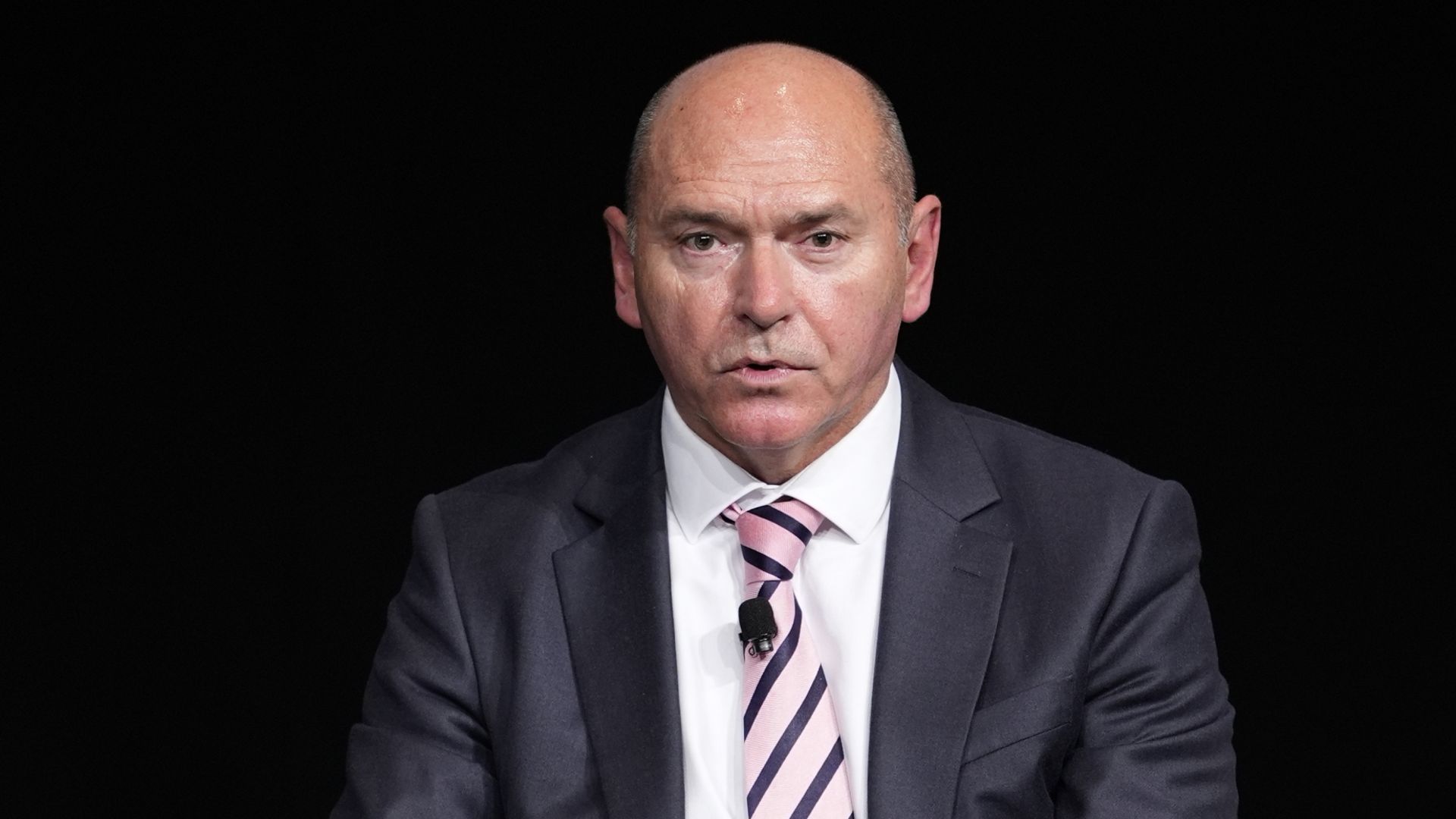
Debbie Hewitt, the chair of the Football Association (FA), has recently gained access to sensitive FIFA documents related to the controversial World Cup sell-off. However, this access came with a significant caveat: Hewitt was required to sign a stringent nondisclosure agreement (NDA) before reviewing the materials, according to sources from Sky News.
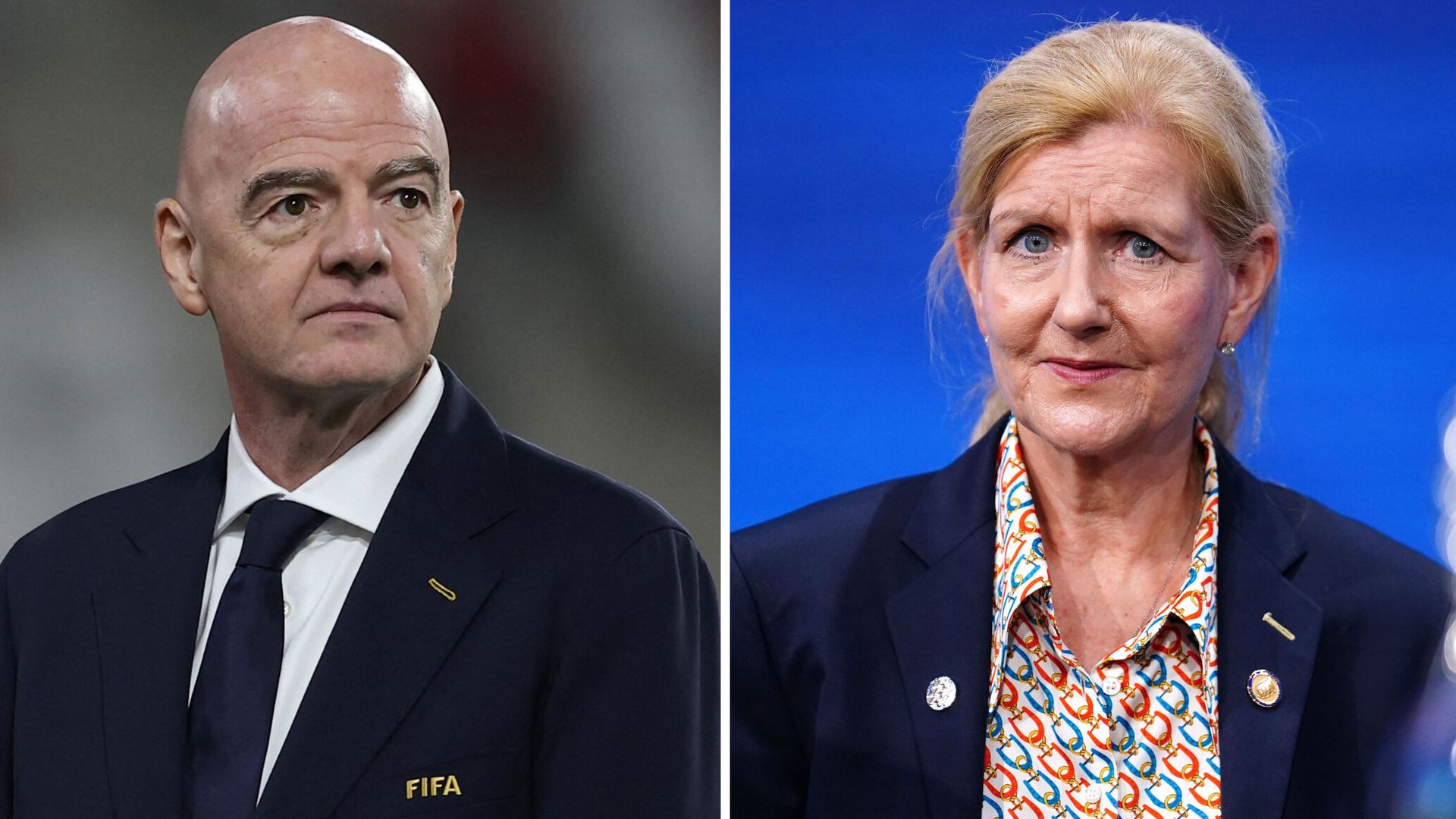
What Happened: Access to Confidential FIFA Documents
The Football Association has been under intense scrutiny regarding the handling and transparency of the 2022 World Cup rights and related commercial activities. As part of ongoing investigations and internal reviews, Debbie Hewitt—who took on the FA chair role in 2022—requested access to crucial documents held by FIFA. These documents reportedly contain detailed information about the sell-off of World Cup assets, including broadcast rights and sponsorship deals.
Despite being a top official within English football’s governing body, Hewitt was not granted automatic, unrestricted access. Instead, FIFA mandated that she sign an NDA, legally binding her to maintain strict confidentiality over the documents’ content. This step underscores the sensitivity of the information and FIFA’s cautious approach to sharing it, even with prominent football administrators.
Why the NDA Matters: Secrecy and Transparency in Football Governance
The requirement for an NDA reveals the tension between transparency demands from football stakeholders and the confidentiality FIFA insists upon. The World Cup sell-off has been a subject of significant debate, with critics calling for greater openness about how lucrative rights and commercial contracts are negotiated and distributed.
FIFA’s insistence on a nondisclosure agreement suggests the documents may include sensitive financial details, internal negotiations, or potentially controversial arrangements that could impact reputations or ongoing legal matters. For the FA, led by Hewitt, balancing the need for internal oversight and external accountability becomes a complex challenge.
Hewitt’s access under an NDA also highlights the limitations imposed on football administrators when investigating governance issues. While she can review the documents to inform the FA’s position and responses, she is legally barred from sharing any specifics publicly. This restriction complicates efforts to push for full transparency in English football’s dealings with FIFA.
What This Means for the FA and Football Governance
Debbie Hewitt’s cautious step into these confidential documents marks a significant moment for the Football Association’s role in scrutinizing global football governance. It signals a willingness to engage deeply with FIFA’s internal processes but also illustrates the barriers football bodies face when trying to hold international organizations accountable.
The World Cup sell-off has financial and ethical implications that extend beyond England. The details hidden within these documents could shed light on broader issues of fairness, commercial equity, and the influence of powerful football entities. Hewitt’s move to view the documents—albeit under strict confidentiality—may set a precedent for how football associations navigate transparency while respecting legal constraints.
For fans, players, and stakeholders, this development underscores the ongoing complexity behind the scenes of the world’s biggest sporting event. It raises important questions about who controls football’s commercial rights and how those decisions impact the sport globally.
Looking Ahead: Transparency and Accountability in Football
As the Football Association continues to probe FIFA’s World Cup arrangements, the balance between confidentiality and openness remains delicate. The NDA signed by Hewitt restricts what can be shared, but her involvement suggests a commitment to ensuring the FA understands the full scope of the sell-off and can advocate for the interests of English football.
Moving forward, stakeholders will watch closely to see whether this access leads to new reforms or greater scrutiny of FIFA’s commercial practices. The expectation for accountability in football governance is stronger than ever, and how the FA manages this sensitive information could influence the future of transparency in the sport.
Ultimately, Debbie Hewitt’s step to sign an NDA and review FIFA’s World Cup sell-off documents highlights the ongoing struggle to balance secrecy with accountability in football’s highest echelons. It remains to be seen how much of this confidential information will shape policies and reforms in the coming months.