
The mother of Baby P has faced a setback in her attempts to regain freedom, as she was denied parole in her latest bid for release. However, the Parole Board has suggested a step forward by recommending her transfer to an open prison facility, signaling a potential easing of her incarceration conditions.
Background: The Case of Baby P’s Mother
The woman at the center of this legal battle is the mother of Baby P, a child whose tragic death in 2007 sparked national outrage and major reforms in child protection policies across the UK. Convicted for her role in the severe abuse and neglect that led to her son’s death, she was sentenced to prison for serious offenses related to child cruelty.
Her imprisonment has been closely followed by the public and media, with her ongoing requests for parole scrutinized amid the sensitive nature of the case. Each application for release has been met with intense debate over the balance between justice, rehabilitation, and public safety.
What Happened in the Latest Parole Hearing?
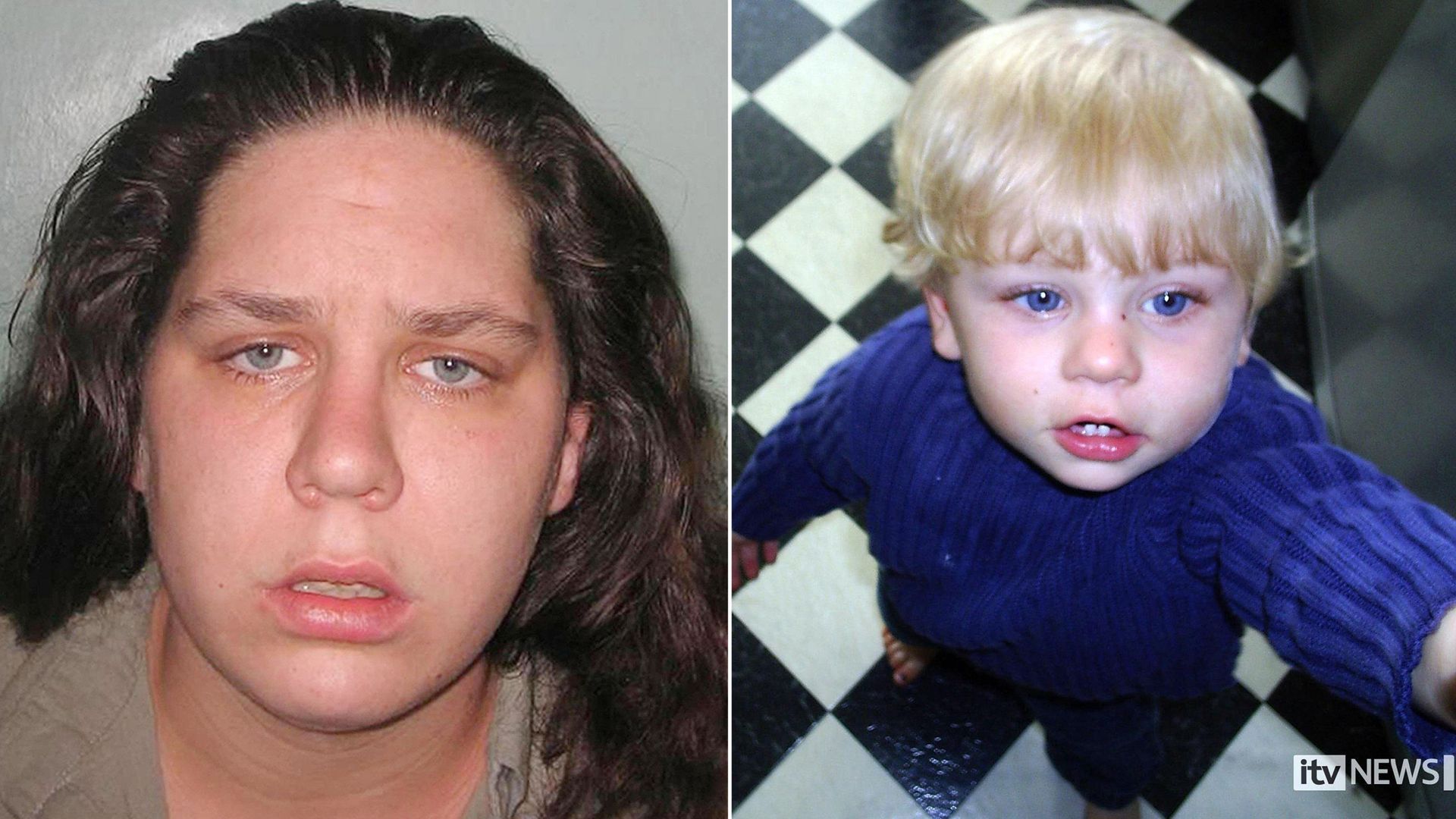
In the most recent parole hearing, the Parole Board reviewed her case to decide if she met the criteria for release. Despite arguments presented by her legal team highlighting progress in rehabilitation and readiness to reintegrate into society, the Board ultimately concluded that she was not yet suitable for full release back into the community.
However, the Board did recommend she be transferred from a closed prison to an open prison. Open prisons typically have fewer security restrictions and allow inmates more freedom of movement within the facility. This transition is often viewed as a step toward eventual release, reflecting some level of trust in the inmate’s behavior and risk assessment.
This recommendation suggests the Board acknowledges improvement in her conduct and potential for reintegration but remains cautious about the timing and conditions of her release. It represents a compromise between public protection concerns and the principles of rehabilitation.
Why This Decision Matters
The Parole Board’s decision carries significant implications both legally and socially. Baby P’s case remains one of the most emotionally charged child protection cases in recent UK history, influencing government policy and public awareness about child welfare.
The mother’s ability to eventually transition back to society depends on her continued progress and compliance with rehabilitation programs while incarcerated. The move to an open prison could provide a controlled environment for further preparation for life outside prison walls, including access to educational resources, work opportunities, and gradual social reintegration.
At the same time, this decision reflects the careful balancing act parole authorities face when dealing with offenders linked to high-profile, sensitive cases. The Board must weigh public safety and victims’ families’ concerns against the legal framework supporting prisoner rehabilitation and eventual release.
What Comes Next for Baby P’s Mother?
Following the Parole Board’s recommendation, the next step involves the formal transfer to an open prison. This process can take several weeks to months as prison authorities make arrangements and assess the suitability of open facilities for her placement.
While an open prison setting is less restrictive, it still maintains a level of supervision to ensure safety and compliance. This environment will enable her to demonstrate sustained good behavior and readiness for eventual parole.
Future parole hearings will evaluate her progress in the open prison context, focusing on risk assessments, rehabilitation achievements, and psychological evaluations. Ultimately, the goal is to determine if and when she can safely rejoin the community without compromising public safety.
Closing Takeaway: A Cautious Step Toward Reintegration
The denial of full parole combined with the recommendation for transfer to an open prison highlights the complexity surrounding Baby P’s mother’s case. It underscores the ongoing tension between justice for past crimes and the possibility of rehabilitation.
This development signals cautious optimism. While she remains incarcerated, the move to an open prison marks progress that could lead to greater freedoms in the future. It also reflects the Parole Board’s commitment to a measured approach that prioritizes both public safety and the potential for personal reform.
As this case continues to evolve, it remains a poignant reminder of the long-lasting impact of child protection failures and the challenges in balancing accountability with the goals of the criminal justice system.