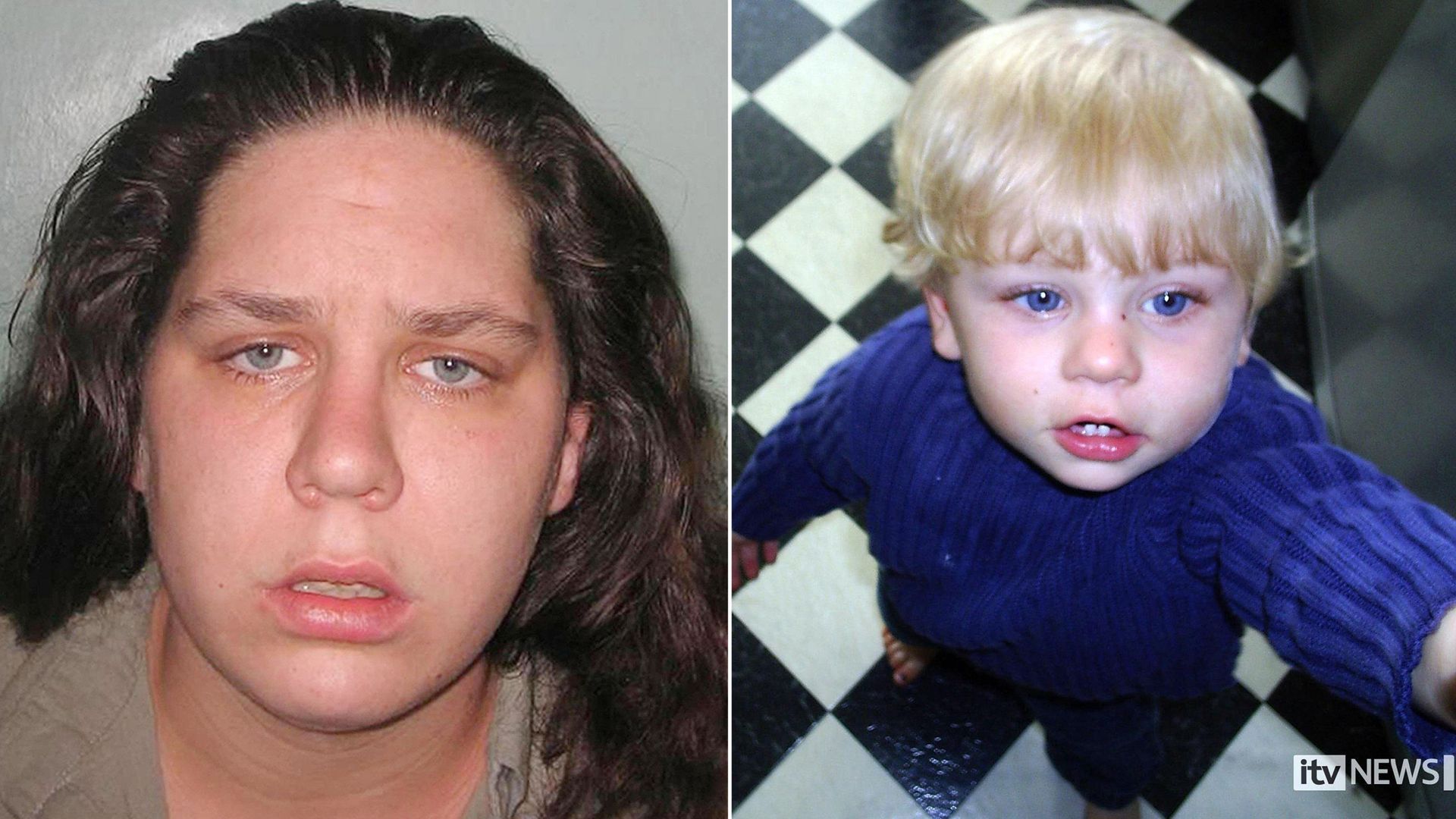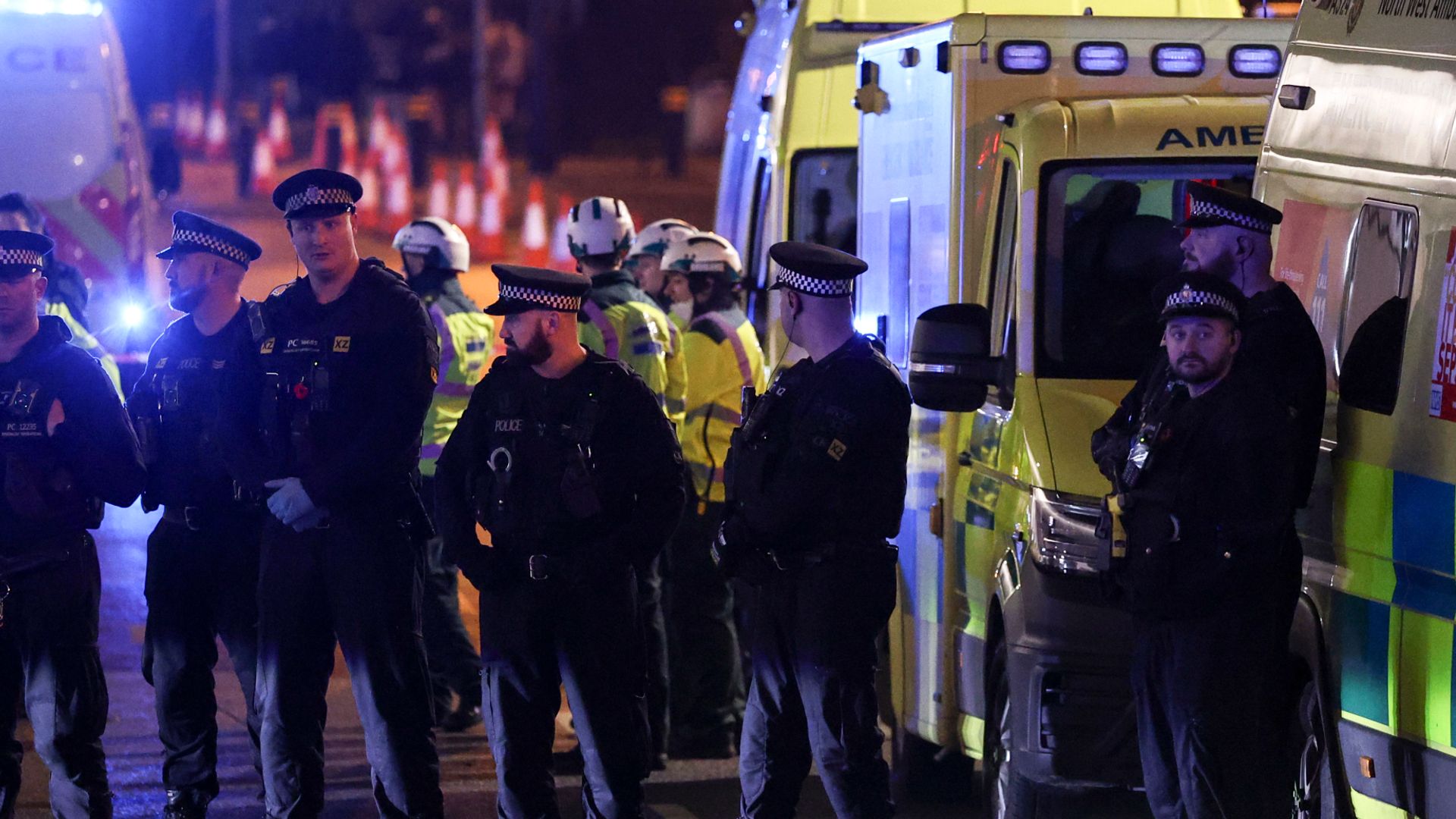

A convicted murderer serving a whole-life prison sentence has been handed a second whole-life term after killing Ian Huntley, the infamous Soham child killer. This rare judicial decision underscores the gravity of the crime and the UK justice system’s unwavering commitment to punishing the most serious offenders with the harshest penalties.
What Happened: The Murder of Ian Huntley Behind Bars
Ian Huntley was convicted in 2003 for the brutal murders of two 10-year-old girls, Holly Wells and Jessica Chapman, in Soham, Cambridgeshire. His case shocked the nation and resulted in Huntley being sentenced to life imprisonment without the possibility of parole, commonly known as a whole-life tariff.
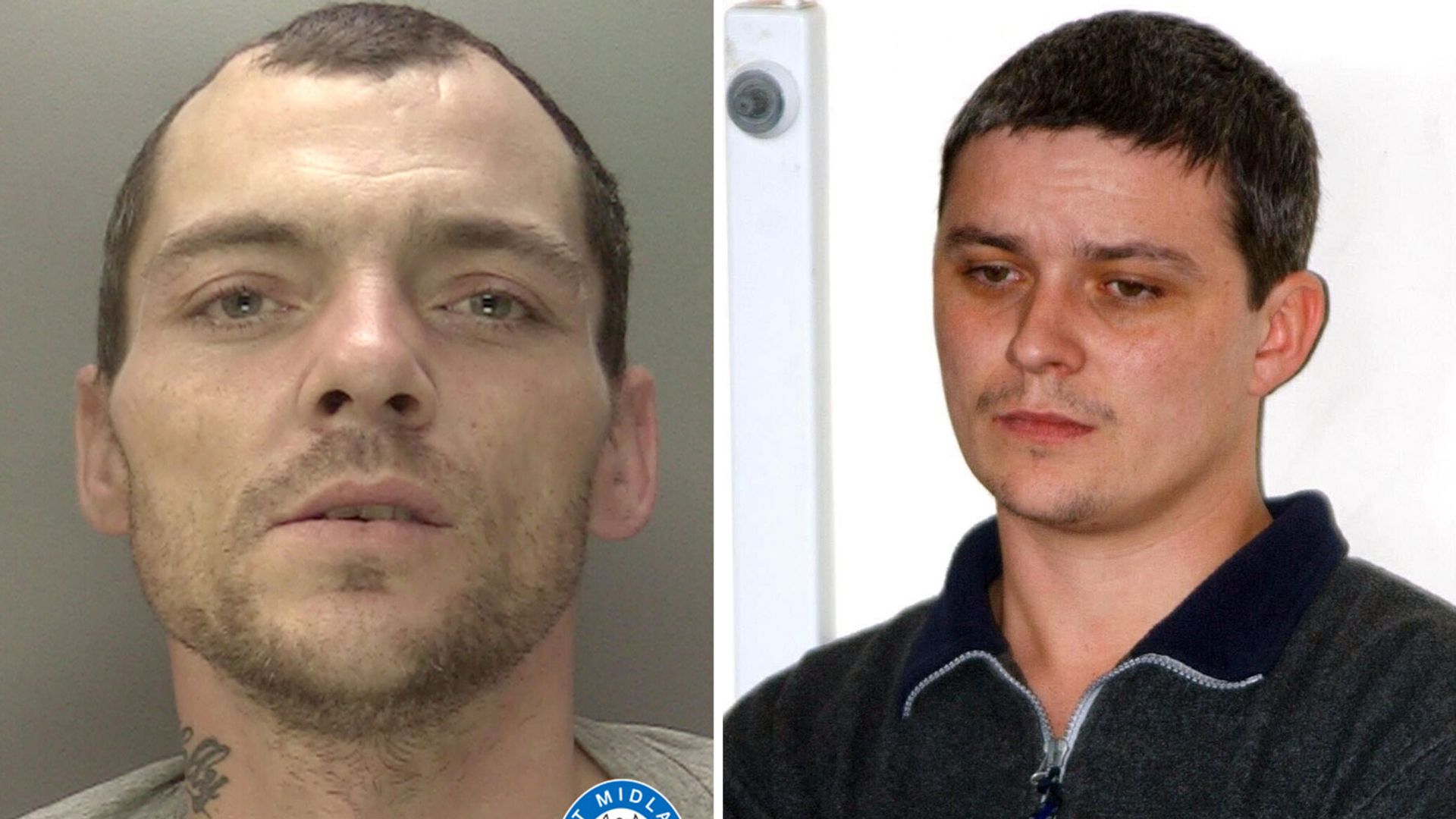
While serving his sentence, Huntley was attacked and killed by another inmate. The assailant, already serving a whole-life sentence for a previous murder, was subsequently tried and convicted for murder. In a rare move, the court imposed a second whole-life sentence on the inmate, solidifying the severity of the punishment and highlighting the exceptional nature of the case.
Why a Second Whole-Life Sentence Matters
Whole-life tariffs are reserved for the most heinous crimes in the UK, typically involving murder with aggravating factors such as premeditation, cruelty, or multiple victims. A whole-life sentence means the individual will never be eligible for parole, ensuring they remain in prison for life.
Granting a second whole-life sentence is exceedingly uncommon. It usually occurs when an inmate already serving a whole-life tariff commits another murder or an equally grave offence while incarcerated. This step serves not only as a symbolic reinforcement of the inmate’s dangerousness but also as a legal safeguard ensuring that the individual cannot seek release under any circumstance.
In this case, the decision to issue a second whole-life sentence to the inmate who killed Huntley sends a clear message: even inside prison walls, violent offenders face the full force of justice, and no one is immune to accountability.
The Broader Implications for Prison Safety and Justice
The murder of Ian Huntley inside prison raises critical questions about inmate safety and prison management. High-profile offenders, especially those convicted of heinous crimes against children, often face significant risks from other prisoners. This incident highlights ongoing challenges within the prison system to protect vulnerable inmates, even those serving whole-life sentences.
Additionally, the case underscores the difficulty in managing inmates with violent tendencies. The perpetrator of Huntley’s murder was already serving the harshest sentence available, yet still committed a fatal attack. This reality calls for continued improvements in prison security, inmate classification, and mental health support.
Legal experts note that imposing a second whole-life sentence is a powerful deterrent, reinforcing the idea that the prison system will not tolerate further violence, regardless of the offender’s status or history. It also reassures victims’ families and the public that justice remains a top priority.
What This Means Moving Forward
The sentencing of the inmate who murdered Ian Huntley to a second whole-life prison term marks a significant moment in UK criminal justice. It illustrates the system’s ability to impose the maximum punishment for repeat violent offenses and its commitment to maintaining order and safety within prisons.
For the public, this case serves as a reminder that even the most notorious criminals are subject to justice throughout their incarceration. For policymakers and prison authorities, it signals the need for ongoing vigilance, resources, and reforms to better protect inmates and staff alike.
Ultimately, the dual whole-life sentences stand as a stark testament to the consequences of violent crime, reinforcing the principle that some actions irrevocably forfeit an individual’s right to freedom.