Donor Skin Patch Uncovers Lung Rejection, Enabling Swift Treatment
Darren White, a 53-year-old lung transplant recipient, experienced a groundbreaking breakthrough when a skin patch from his organ donor revealed early signs of his body rejecting the new lung. This timely detection allowed doctors to intervene quickly, preventing severe complications.
Innovative Sentinel Trial Uses Donor Skin as a Visible Warning System
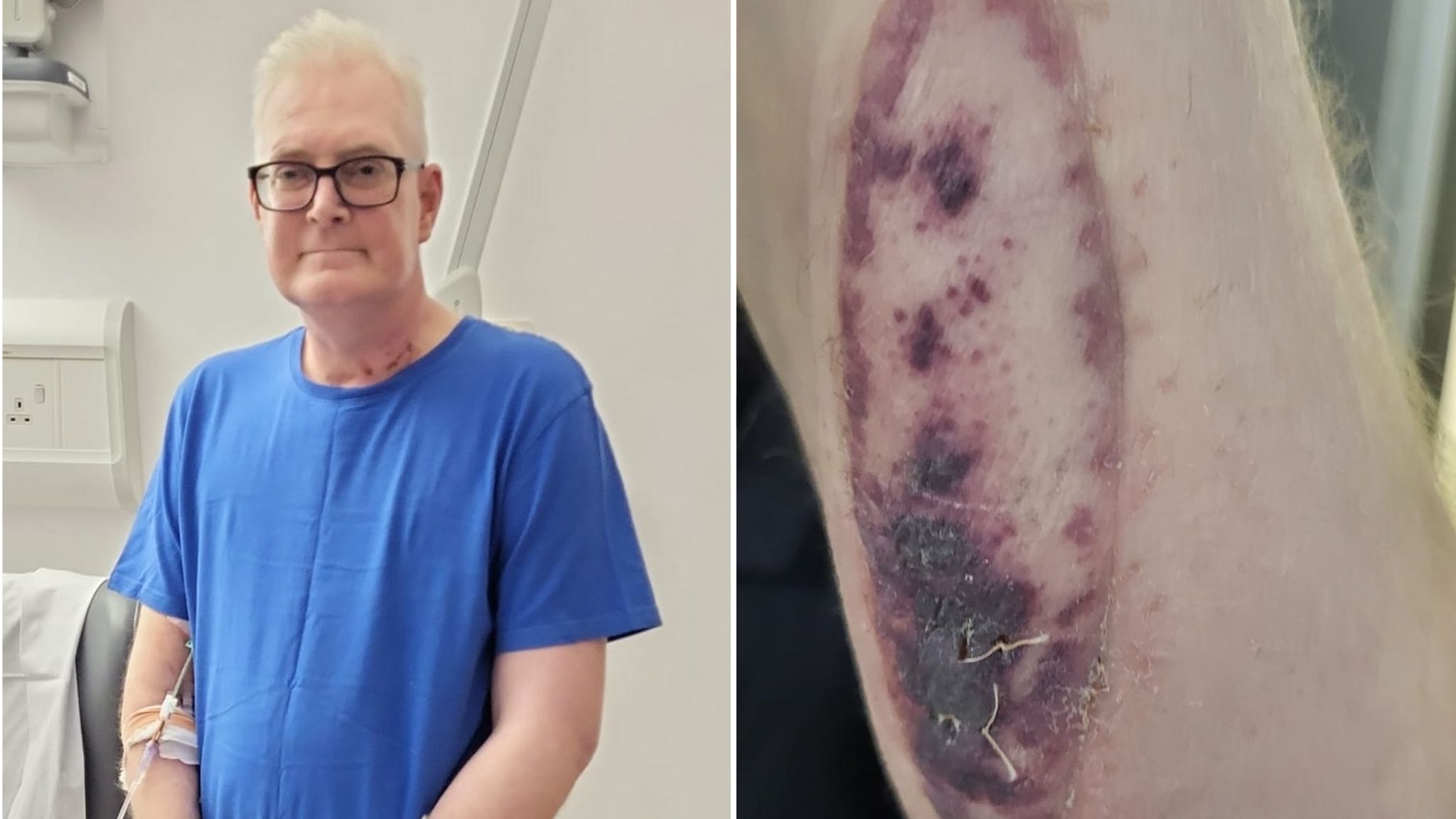
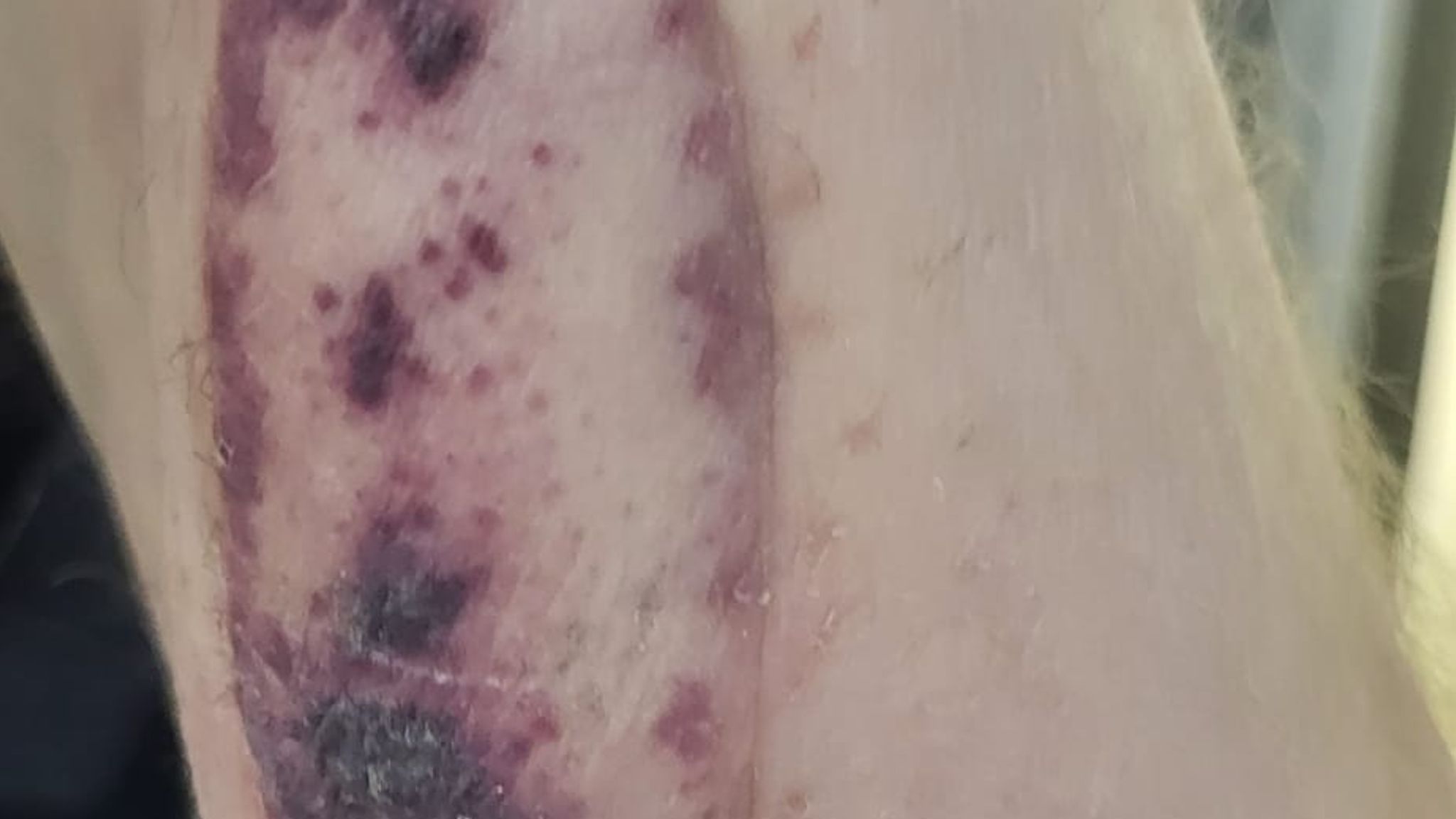
As one of the pioneering patients in the Sentinel trial, Darren received a 10cm by 3cm skin patch grafted onto his forearm during his lung transplant surgery. This “window” onto the transplanted organ reacts visibly and earlier than internal symptoms, signaling rejection through changes on the skin’s surface.
Medical experts leading the trial explain that this patch acts as an early alert system, enabling clinicians to detect rejection at the first appearance of a rash, thereby reducing the risk of permanent lung damage.
A Life-Changing Diagnosis and Treatment
In 2024, Darren, a former bus driver from Stockton-on-Tees, County Durham, was diagnosed with lung fibrosis—a condition causing scarring and impaired breathing. He underwent a lung transplant later that year and eagerly joined the Sentinel trial, seeing it as a crucial tool to monitor rejection.
“Rejection is every transplant recipient’s greatest fear. Having something that can catch it much sooner was incredibly appealing,” Darren said.
Early Detection Through Skin Patch Saves the Lung
Three months after his transplant, Darren noticed a purple rash developing on the donor skin patch. He promptly sent photos to his medical team. A biopsy confirmed mild rejection, and he was immediately treated with steroids.
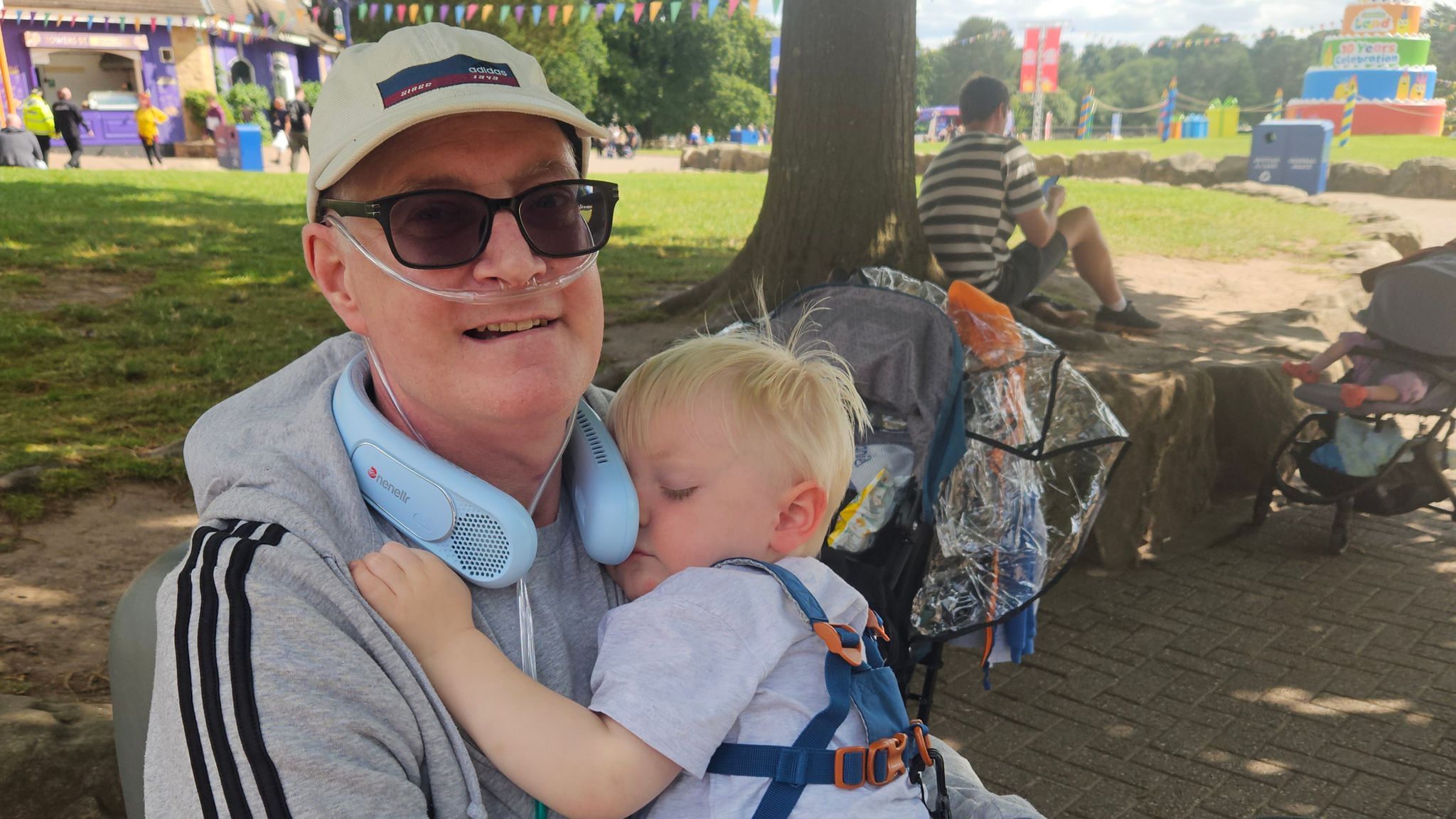
“I felt perfectly fine otherwise; the rash was the only sign of rejection. The patch undoubtedly helped prevent further damage,” Darren reflected. Now, over a year post-transplant, he enjoys improved health and the ability to be more active with his toddler son, Daniel, including walking and trips to the park.
Sentinel Trial’s Promising Future
The Sentinel trial, set to continue until 2027, aims to enroll 152 patients. Each skin transplant requires consent from donor families. The project has garnered praise from medical professionals for its potential to revolutionize post-transplant care.
Henk Giele, chief investigator and plastic surgeon at Oxford, emphasized the trial’s significance: “Having a window to your transplant offers an early warning system for rejection or reassurance when there is none. But we must rigorously prove its effectiveness. We are deeply grateful to patients, donors, their families, transplant teams, and NHS Blood and Transplant staff for making this vital research possible.”