

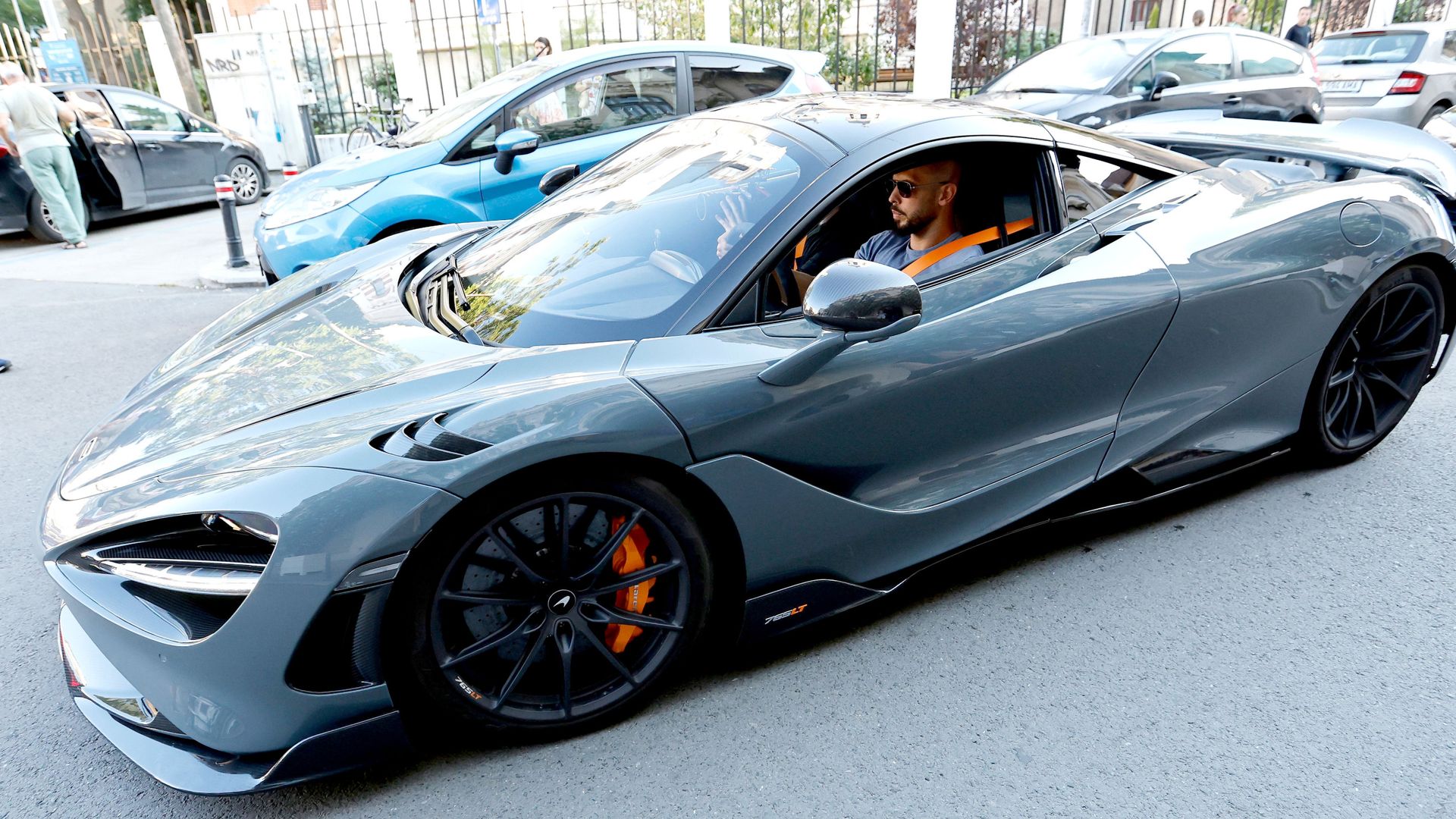
Andrew Tate, the controversial social media influencer known for flaunting an extravagant lifestyle, reportedly rented luxury supercars to project an image of being “uberwealthy.” According to statements from his legal team, this elaborate facade was designed solely to boost his online presence and attract greater engagement from followers.
The Illusion of Opulence: Why Tate Faked Wealth
Andrew Tate has cultivated a reputation as a self-made millionaire, often showcasing flashy cars, designer clothes, and lavish living across his social media platforms. However, his lawyers have revealed that much of this display was carefully orchestrated, involving rented vehicles rather than outright ownership.
This tactic was not uncommon among influencers seeking to amplify their status and credibility. By appearing to live a life of luxury, Tate aimed to captivate audiences and increase his digital footprint, which in turn could translate into lucrative sponsorships, product sales, and broader influence.
Renting supercars allowed Tate to maintain the appearance of affluence without the significant financial commitment or risk of purchasing such vehicles. This strategy highlights a growing trend where online personalities leverage borrowed symbols of wealth to craft compelling narratives about their success.
Legal Implications and Public Perception
The admission from Tate’s legal representatives comes amid scrutiny of his business practices and public persona. Critics argue that projecting false wealth misleads followers and can foster unrealistic expectations about what it takes to achieve success.
While renting luxury items is not illegal, the distinction between genuine wealth and curated image matters significantly in the court of public opinion. This revelation may influence how audiences assess the credibility of social media influencers who rely heavily on visual cues to establish authority.
Moreover, the broader conversation touches on ethical questions around transparency and authenticity in influencer marketing. As consumers become more savvy, the pressure grows on personalities like Tate to demonstrate substantiated success rather than relying solely on appearances.
Why This Matters: The Impact on Influencer Culture
Andrew Tate’s case underscores a critical challenge in the digital age: distinguishing between reality and performance online. The proliferation of rented luxury cars and staged lifestyles can distort perceptions and encourage materialistic values among impressionable audiences.
For aspiring entrepreneurs and followers, understanding that social media content often involves elements of fabrication is essential. Tate’s acknowledgment that he “pretended” to be ultra-rich serves as a cautionary tale about the pressures influencers face to maintain a certain image and the lengths they might go to do so.
At the same time, this scenario invites deeper reflection on how society measures success and the role authenticity should play in digital influence. As influencers continue to shape culture and consumer behavior, transparency will likely become a vital component of sustainable online careers.
Looking Ahead: What Comes Next for Andrew Tate?
With this revelation now public, Andrew Tate’s reputation faces renewed scrutiny, potentially impacting his brand partnerships and follower trust. How he responds—whether by embracing greater honesty or doubling down on his persona—will shape his future in the influencer landscape.
For the broader influencer community, this moment may prompt reevaluation of promotional tactics and encourage more authentic engagement strategies. As audiences demand greater honesty, influencers who balance aspiration with truthfulness may find greater long-term success.
In conclusion, Andrew Tate’s admission that he rented supercars to appear wealthier shines a spotlight on the performative nature of online fame. It challenges followers to critically assess influencer content and reminds creators that genuine connection often stems from authenticity rather than illusion.