

The Archbishop of Canterbury has taken the decisive step to withdraw a previously granted award from a Muslim cleric who controversially pledged to honor Osama bin Laden with an honorary title. This move underscores the Church of England’s commitment to distancing itself from any association with individuals who publicly support extremist figures.
Background: The Controversial Cleric and the Award
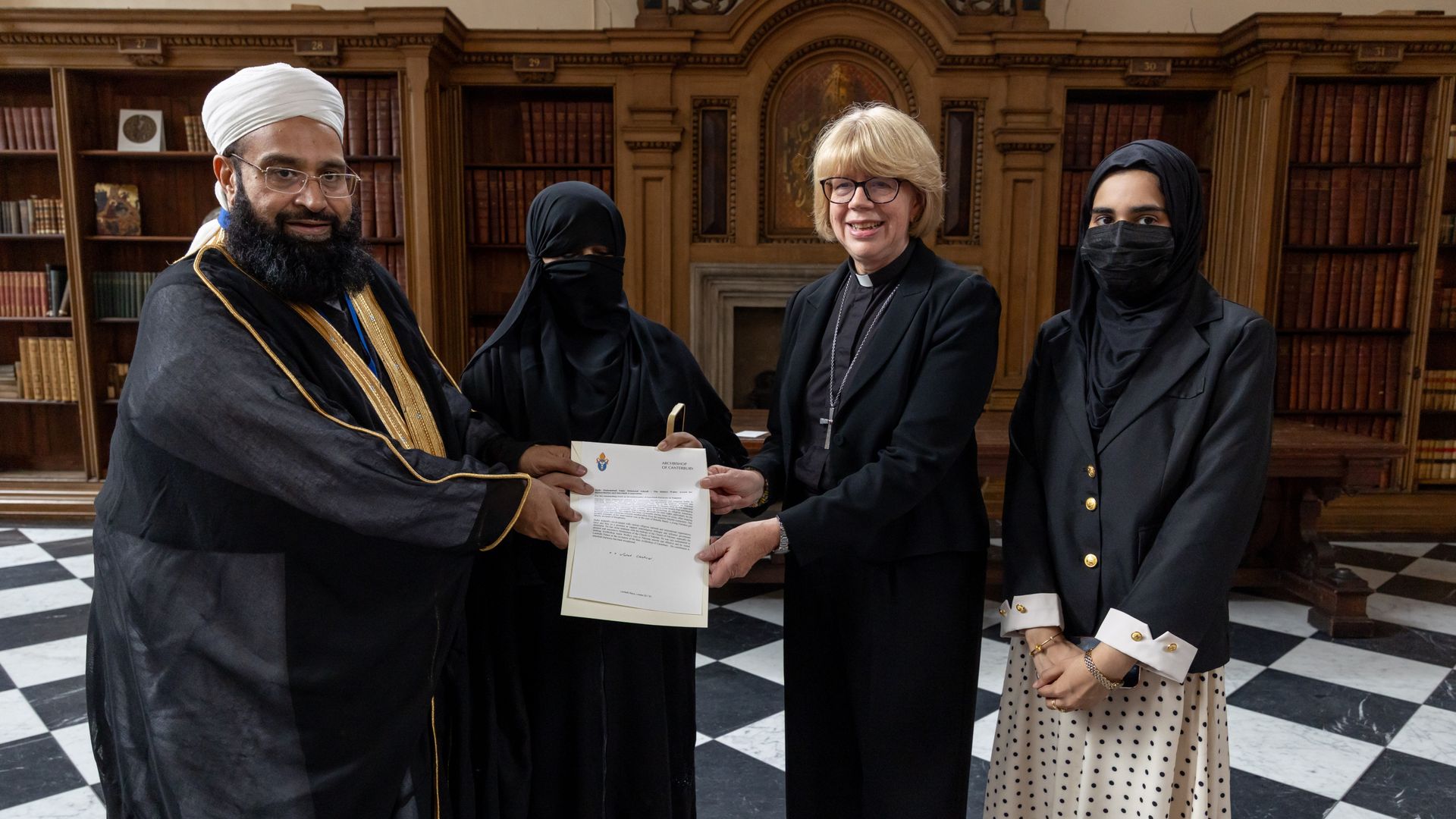
Earlier, the Archbishop of Canterbury’s office had bestowed an honorary recognition on a Muslim cleric who later made headlines by announcing an intention to confer an honorary title on Osama bin Laden, the notorious al-Qaeda leader responsible for orchestrating the 9/11 attacks and other acts of terrorism worldwide. This pledge sparked immediate outrage due to bin Laden’s role in global terrorism and the cleric’s public admiration for him.
The award, initially meant to celebrate interfaith dialogue and community leadership, became highly controversial once the cleric’s stance on bin Laden came to light. The Archbishop’s office swiftly reassessed the situation, recognizing that the cleric’s comments directly contradicted the values of peace, reconciliation, and respect that the Church of England upholds.
Why the Revocation Matters
Revoking the award sends a clear message about the boundaries of acceptable public discourse, especially when it comes to figures who promote violence and extremist ideology. The Archbishop of Canterbury, as a leading figure in the Anglican Communion, holds significant influence in shaping moral and ethical standards within religious communities in the United Kingdom and beyond.
By withdrawing the honor, the Archbishop reaffirms the Church’s stance on rejecting extremism and condemning any glorification of violent individuals. This action also safeguards the Church’s reputation as a promoter of peace and interfaith understanding, which can be jeopardized when awards are linked to controversial figures.
The decision highlights the delicate balance religious organizations must maintain when engaging with diverse communities, especially those with varied and sometimes conflicting political or ideological views. It also reflects the growing scrutiny placed on public figures and institutions to hold award recipients accountable for their statements and actions.
Implications for Interfaith Relations and Future Awards
This incident raises important questions about the criteria and vetting processes for selecting award recipients, particularly in the context of interfaith dialogue. Awards given by religious leaders or institutions often aim to recognize contributions toward mutual respect and understanding among different faiths. When recipients’ views clash with these goals, it undermines the very purpose of such honors.
Moving forward, the Archbishop’s office and similar institutions may implement more rigorous background checks and ongoing evaluations to ensure that awardees embody the values the awards seek to promote. This case serves as a cautionary tale emphasizing the need for vigilance and responsibility in recognizing individuals who influence public opinion and community relations.
It also highlights the complexities religious leaders face in navigating diverse opinions within their communities, where freedom of expression intersects with the need to denounce harmful ideologies. The revocation acknowledges that while dialogue with various perspectives is crucial, it must not come at the expense of endorsing or appearing to endorse extremist views.
What This Means Going Forward
The Archbishop of Canterbury’s revocation of the award reflects a broader societal rejection of extremist sympathies and a firm commitment to uphold principles of peace and respect across faith lines. This decisive action not only protects the Church’s integrity but also strengthens its voice in advocating against terrorism and violence.
For religious communities, policymakers, and the public, this event serves as a reminder that honoring individuals carries a responsibility to ensure their values align with those of the awarding body. It also underscores the power and impact of public statements made by religious leaders, who must carefully consider the implications of their associations.
Ultimately, the Church of England’s response reaffirms its dedication to fostering harmony and condemning any form of extremism, setting a clear example for other institutions grappling with similar challenges.