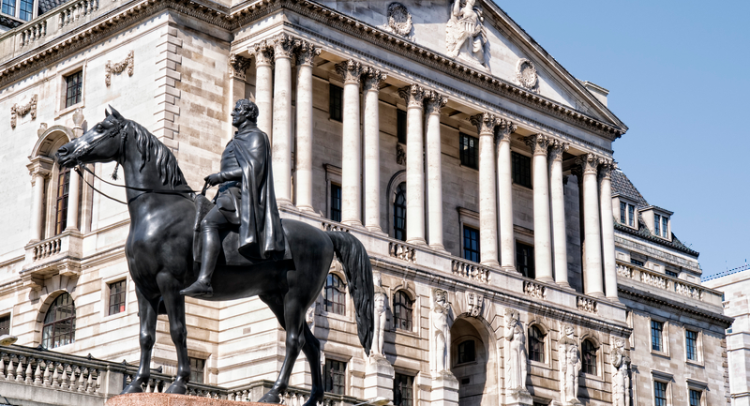
The Bank of England has delivered a sobering update on the UK economy, sharply reducing its growth forecasts and signaling a prolonged period of stagnation. This adjustment reflects deep concerns about the underlying strength of the recovery and the persistent challenges facing the nation’s economic prospects.
Revised Growth Forecasts Reveal Lingering Economic Weakness
In a significant policy announcement, Governor Sir Mervyn King disclosed that the Bank of England has lowered its UK economic growth forecast for 2012 to zero, indicating that the economy is expected to remain flat for the remainder of the year. This marks a substantial downgrade from the 0.8% growth projected just three months prior, and an even more dramatic drop from the 2% forecast a year ago. Sir Mervyn underscored this shift, stating, “The overall outlook for growth is weaker than the outlook in May.”
The bank’s pessimism extends beyond the immediate horizon. The medium-term growth forecast has been cut sharply from 2.8% to 2.1%, reflecting concerns that the structural obstacles hampering growth since the global financial crisis may be more entrenched and enduring than originally anticipated. This downward revision hints at a slower pace of economic expansion well into the future.
“Our efforts to bring about a re-balancing of the UK economy will require patience,” Sir Mervyn cautioned, emphasizing that the path to sustained growth will not be swift or straightforward. The message is clear: policymakers and businesses must brace for continued challenges ahead.
__IMAGE_PLACEHOLDER_1__
Inflation Trends and Productivity Challenges
On a more positive note, inflationary pressures are showing signs of easing. The Consumer Prices Index (CPI) has steadily declined throughout 2012 and is expected to fall even further. This reduction in inflation is poised to alleviate some of the cost-of-living pressures that have strained households, especially as wage growth remains stagnant for many workers.
Despite this, Sir Mervyn painted a sobering picture of the UK’s economic performance over recent years. He observed that economic output has been “broadly flat” over the past two years and has “continually disappointed” expectations for a robust recovery. The persistence of low productivity growth stands out as a critical concern, described as “unusually low,” which fundamentally limits the economy’s capacity to grow and improve living standards.
These productivity challenges compound the broader difficulties the UK faces, including ongoing fiscal austerity measures aimed at reducing the domestic deficit, tight credit conditions that restrict lending, and external shocks from the euro-zone crisis, all factors that continue to weigh heavily on growth prospects.
__IMAGE_PLACEHOLDER_2__
Monetary Policy and the Role of Banks
Addressing recent monetary policy measures, Sir Mervyn discussed the Funding For Lending Scheme, a stimulus package designed to encourage banks to increase lending by providing them with cheap funding. However, he was candid about the scheme’s current effectiveness, asserting that UK banks must do more to extend loans to businesses and consumers if they wish to benefit from this support. “Put bluntly, if they want to get cheap funding from us, they have to lend more,” he said.
Furthermore, Sir Mervyn highlighted the delicate balance faced by the Bank of England in setting interest rates. While some argue that cutting rates could stimulate growth, he warned that further reductions risk damaging financial institutions and could ultimately prove counterproductive. His comments contributed to a rise in sterling to session highs in foreign exchange markets, reflecting investor confidence in his cautious approach.
__IMAGE_PLACEHOLDER_3__
Why This Matters: The Road Ahead for the UK Economy
The Bank of England’s revised forecasts and commentary illustrate the complexity and fragility of the UK’s economic recovery. With growth stagnating and productivity sluggish, the country faces a prolonged period of economic uncertainty. The combination of fiscal austerity, tight credit, and external pressures from the euro-zone crisis creates a challenging environment for policymakers, businesses, and households alike.
For the average worker, the easing of inflation offers some relief, but stagnant wages and limited job growth mean that many feel the pinch. For businesses, particularly small and medium enterprises, accessing finance remains a critical hurdle despite government-backed lending schemes. This situation underscores the need for structural reforms and a strategic focus on boosting productivity to foster sustainable long-term growth.
Looking forward, patience and prudent policymaking will be essential. The Bank of England signals that quick fixes are unlikely, and a gradual re-balancing of the economy will require coordinated efforts across government, financial institutions, and the private sector. While challenges remain formidable, understanding these dynamics is crucial for stakeholders seeking to navigate the evolving economic landscape.