

BP, one of the world’s largest energy companies, has officially put its North Sea oil and gas operations on the market. This move marks a significant turning point in BP’s long-standing presence in the region and reflects broader shifts in the global energy landscape.
What Happened: BP’s Strategic Exit from the North Sea
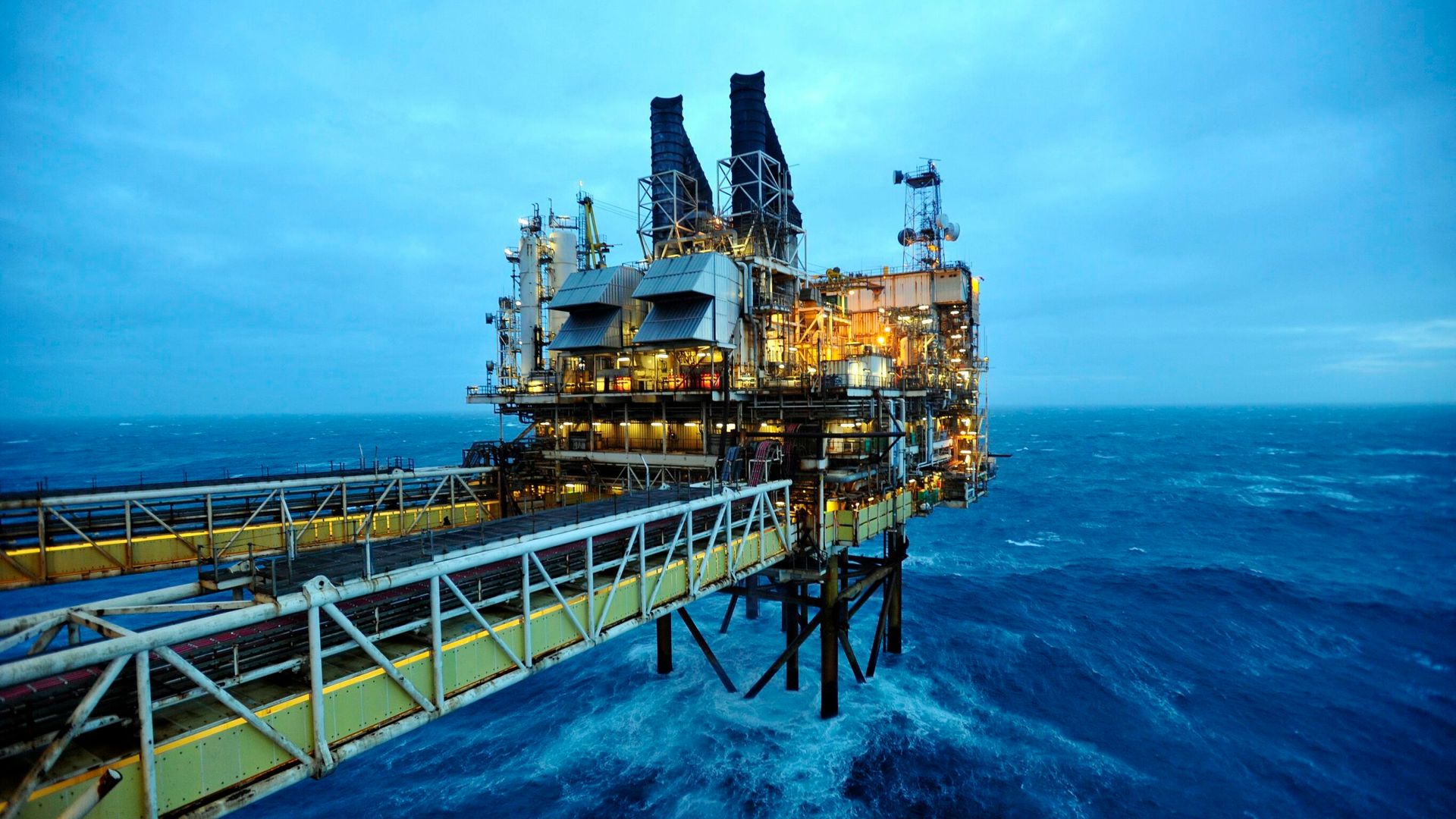
BP’s decision to sell its North Sea assets signals a major change in its portfolio management. The North Sea has historically been one of BP’s most important regions, producing substantial volumes of oil and gas for decades. However, the company is now actively seeking buyers for these operations, aiming to divest from the mature and costly basin.
This announcement follows a series of strategic initiatives by BP to streamline its business and focus more on renewable energy sources. The North Sea assets, while still productive, require significant ongoing investment to maintain output and manage environmental and regulatory challenges.
Industry experts note that BP’s sale aligns with a broader trend among major oil companies, which are increasingly prioritizing cleaner energy and reducing exposure to traditional fossil fuel assets. The North Sea’s aging infrastructure and rising operational costs have made it less attractive compared to emerging markets and renewable ventures.
Why It Matters: Impact on BP and the Energy Sector
BP’s move has wide-reaching implications for both the company and the energy sector at large. The North Sea has been a cornerstone of the UK and European energy supply, contributing significantly to regional economies and energy security. BP’s exit could reshape the competitive landscape, opening opportunities for smaller players or new investors to expand their presence.
For BP, selling these assets could free up capital to accelerate investments in green technologies, such as offshore wind, hydrogen, and bioenergy. This strategic pivot is part of BP’s broader commitment to achieve net-zero carbon emissions by 2050, a goal that demands substantial reallocation of resources.
On the other hand, the sale raises questions about the future of energy security in the North Sea region, especially amid volatile global oil prices and geopolitical tensions. The incoming buyers will face the challenge of balancing profitability with the increasing regulatory scrutiny and environmental responsibilities associated with North Sea operations.
What Comes Next: The Road Ahead for BP and the North Sea
BP has not disclosed specific details about the timeline or potential buyers for its North Sea assets. Industry analysts anticipate that the sale process will attract a mix of global oil majors, investment funds, and independent operators seeking to capitalize on the basin’s remaining reserves.
The transaction could also influence how other energy companies approach asset management in mature fields. BP’s bold step underscores the growing pressure on fossil fuel companies to adapt rapidly to the energy transition without compromising shareholder value.
Meanwhile, stakeholders in the North Sea—including governments, local communities, and environmental groups—will closely monitor the sale’s impact on jobs, environmental stewardship, and regional economic stability.
Looking Forward: What This Means for the Energy Transition
BP’s decision to hang a “for sale” sign on its North Sea operations highlights the accelerating shift in the global energy industry. As traditional oil and gas fields mature, companies face mounting pressure to pivot toward sustainable energy sources. This divestment could serve as a bellwether for similar moves among other energy giants.
For consumers and policymakers, the sale raises critical considerations about balancing energy affordability, security, and environmental responsibility. While the North Sea remains a vital energy hub, its future will increasingly depend on innovation, investment, and strategic partnerships that align with a low-carbon future.
BP’s North Sea sale is more than a simple business transaction—it is a landmark moment reflecting the evolving priorities of the energy sector in the 21st century.