

International Airlines Group (IAG), the parent company of British Airways, has voiced strong confidence that its airline services will remain unaffected by jet fuel shortages throughout the summer, despite escalating tensions in the Middle East disrupting global oil supplies. This assurance comes as the aviation sector faces unprecedented challenges from supply chain constraints and soaring fuel costs triggered by the ongoing US-Iran conflict.
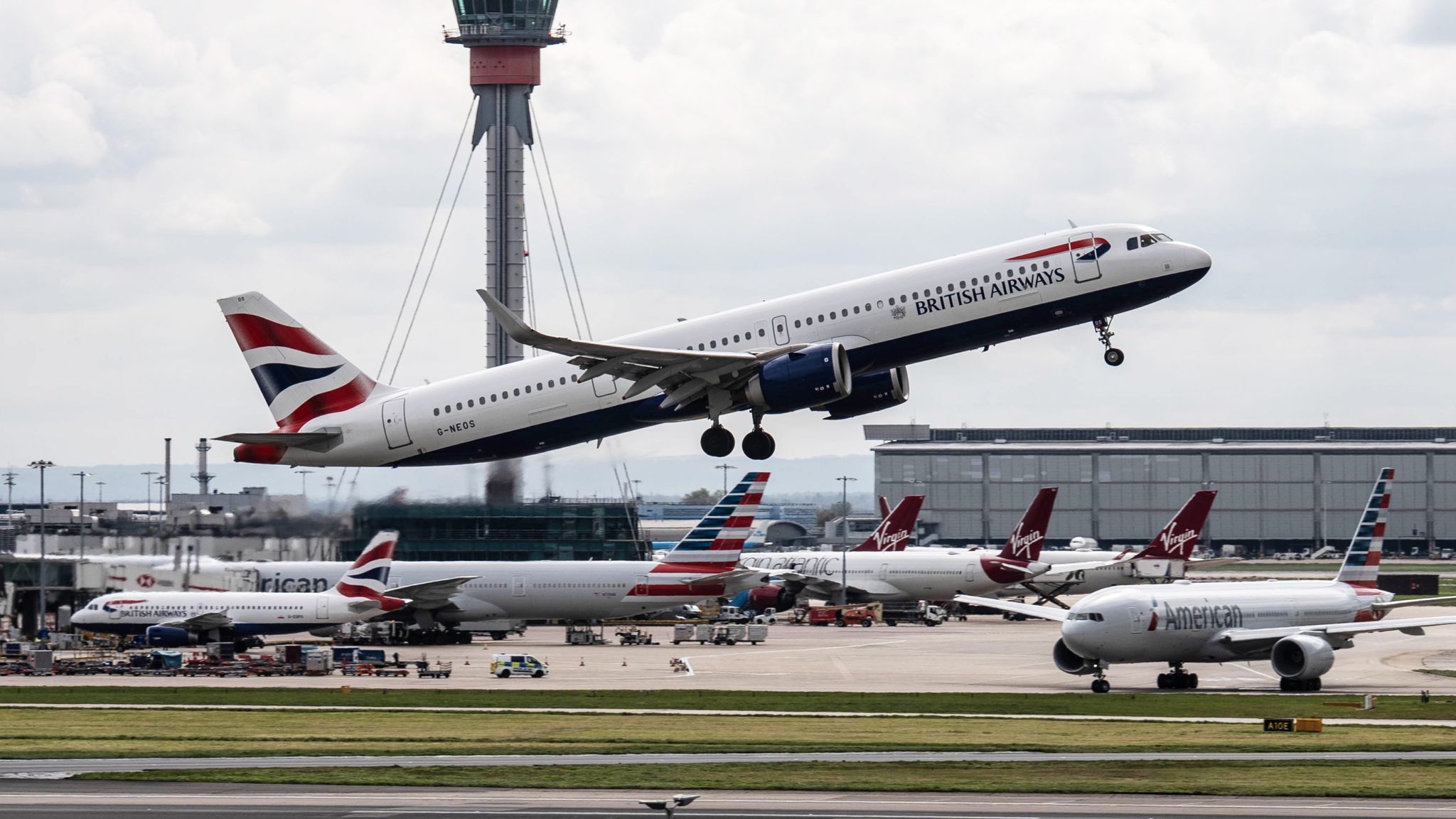
How the Middle East Conflict Impacts Global Jet Fuel Supply
The crisis stems largely from the effective closure of the Strait of Hormuz, a vital maritime corridor through which approximately 20% of the world’s oil and natural gas passes. Iran’s recent actions have significantly limited crude oil and refined product shipments—including jet fuel—through this strategic chokepoint. This disruption has sent shockwaves through international fuel markets, inflating prices and threatening supply stability at a critical travel period.
Airlines worldwide have already begun responding to the crisis, with reports indicating that around 13,000 flights have been cut as carriers adjust operations amid supply uncertainties and rising costs. The UK government has taken proactive steps to mitigate the fallout by permitting airlines to cancel flights preemptively and allowing passengers to be rebooked on rival carriers to maximize aircraft occupancy and conserve fuel stocks.
Despite these measures, a recent industry analysis highlighted the UK as Europe’s most vulnerable nation to jet fuel shortages. This vulnerability is attributed to limited fuel storage capacity and a steep decline in domestic fuel production, forcing a heavy reliance on imports to meet demand.
IAG’s Strategic Response and Financial Outlook
IAG, which also operates Iberia and Aer Lingus, updated investors on its fuel and operational outlook amid this volatile environment. The group confirmed it has hedged approximately 70% of its jet fuel requirements through 2026, providing a buffer against extreme price swings. Nevertheless, the company now anticipates its annual fuel expenses to reach €9 billion (£7.8 billion), a €2 billion (£1.7 billion) increase from previous forecasts.
The airline group plans to offset around 60% of this additional expenditure through a combination of revenue growth and rigorous cost management strategies. These include measured increases in ticket prices, which were signaled last month as a necessary adjustment to counterbalance rising operational costs.
Reflecting these challenges, IAG has revised down its profit expectations for the full fiscal year and reduced projected capacity growth from 3% to a more conservative figure. The company’s shares reacted negatively, falling by 4.5% at market open following the announcement.
CEO Luis Gallego’s Perspective
Luis Gallego, IAG’s Chief Executive Officer, emphasized resilience amid uncertainty during the company’s first-quarter earnings call. He reported a solid start to the year, with revenue climbing 1.9% and profits surging 77.3% to €351 million, driven by robust demand across the group’s airline brands and network.
Regarding the fuel supply outlook, Gallego stated, “We currently see no issues with fuel availability in our main markets, particularly as we benefit from our investment in fuel self-supply at our hubs.” This investment enables IAG to better control its fuel sourcing and stockpiling, reducing vulnerability to external supply shocks.
While acknowledging that elevated fuel prices will suppress profitability compared to earlier projections, Gallego reaffirmed faith in the group’s business model and strategic positioning. “Our approach has made us one of the best-performing airline groups globally, giving us the resilience to weather this storm and continue returning excess cash to shareholders,” he remarked, referencing the planned €1 billion distribution of surplus funds.
What This Means for Passengers and the Aviation Industry
For travelers, IAG’s confidence signals a relatively stable summer travel season with minimal risk of widespread cancellations linked to fuel shortages. However, passengers should remain aware that ticket prices may rise to accommodate increased fuel costs, a trend likely mirrored across the industry.
On a broader scale, the situation underscores the fragility of global fuel supply chains and the critical importance of strategic fuel management and diversification. Airlines with robust hedging policies and fuel self-supply capabilities, like IAG, will likely outperform peers facing less secure supply arrangements.
Governments’ active engagement with airlines and energy suppliers will also be crucial in maintaining aviation operations during geopolitical disruptions. The UK’s proactive measures to optimize fuel usage and passenger rerouting illustrate the collaborative efforts required to navigate such crises.
Looking Ahead
While the current conflict injects volatility into the aviation sector, IAG’s measured response and operational preparedness provide a blueprint for resilience amid uncertainty. Stakeholders should monitor developments in fuel supply routes and geopolitical dynamics closely, as prolonged disruptions could still impact global jet fuel availability.
Passengers and industry observers alike can take cautious reassurance from IAG’s proactive strategies and commitment to maintaining service continuity this summer. The company’s experience highlights the critical balance between managing rising costs and sustaining reliable air travel in a complex global environment.