

Keir Starmer has unveiled decisive government plans to nationalise British Steel, aiming to secure the future of one of the UK’s most critical industrial assets. This bold move, announced during a major speech on Monday, signals a renewed commitment to protecting national infrastructure and supporting working communities amid mounting economic challenges.
Government Intervention to Safeguard British Steel
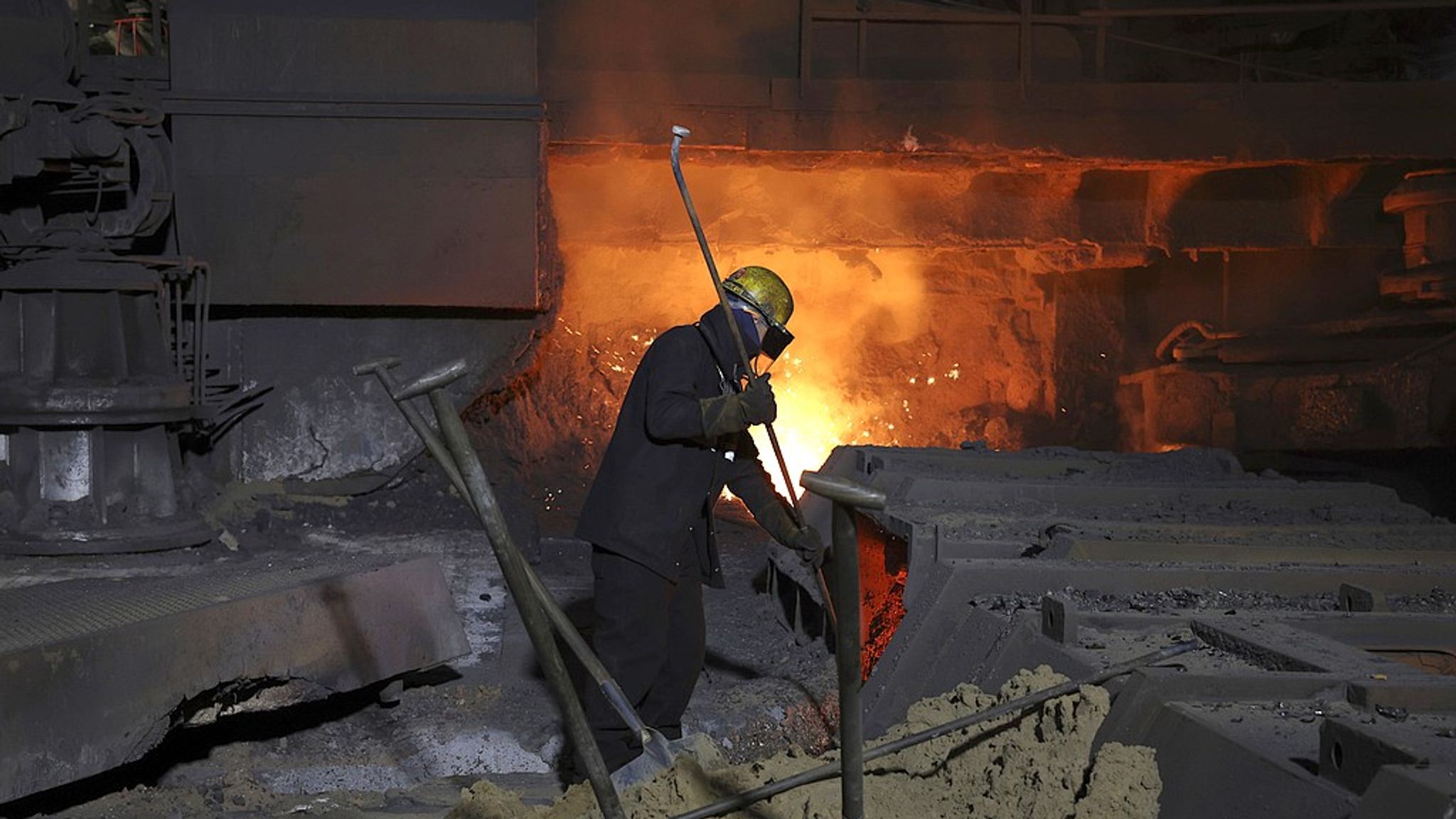
Last year, emergency legislation was enacted to prevent the collapse of British Steel’s major plant in Scunthorpe, one of the last significant steelmaking sites in Britain. This intervention effectively placed the company under government control, averting thousands of job losses and stabilising a vital part of the UK’s manufacturing base. However, at that time, British Steel remained under the ownership of its Chinese parent company, Jingye Group, rather than being formally nationalised.
Now, Prime Minister Sir Keir Starmer has confirmed that legislation will be introduced this week to grant the government powers to take full ownership of British Steel, pending a public interest test. This test will evaluate factors such as national security, preservation of critical infrastructure, and the broader economic impact.
“Public ownership in the public interest, urgent government action on the side of working people, making Britain stronger with the hope of industrial renewal,” Starmer declared, framing nationalisation as a strategic effort to future-proof the UK’s steelmaking capacity.
Why Nationalisation Matters
The government’s objective is to prevent any disruption to production at the Scunthorpe plant and maintain a resilient steel supply chain essential for the UK’s railways, infrastructure, and other key sectors. The Department for Business and Trade (DBT) emphasized that despite active efforts to find a commercial buyer, no agreement has been reached with Jingye that would represent acceptable value for taxpayers.
Nationalising British Steel would mark the first time the company returns to government control since its privatisation in 1988, underscoring the gravity of the current industrial climate and the government’s willingness to intervene decisively.
Starmer reflected on the previous emergency intervention as one of his government’s “proudest” moments, highlighting its role in safeguarding thousands of jobs and critical manufacturing capability. Political leaders had previously indicated that nationalisation was a likely outcome by April 2025, though officials had denied plans to include relevant legislation in the King’s Speech earlier this year.
Industry and Union Reactions to Nationalisation Move
The announcement has been met with strong support from trade unions and industry bodies, who see nationalisation as essential for preserving British Steel’s future. Community union general secretary Roy Rickhuss and Unite general secretary Sharon Graham strongly endorsed the government’s plan, calling it “absolutely vital” and expressing confidence in the company’s skilled workforce and strategic importance.
“British Steel has a bright future, with a world-class, highly skilled workforce making strategically important steels for the UK’s rail and infrastructure,” they said. “The business also has the potential to expand and become a vital part of the supply chain for other UK steel sites.”
The trade body UK Steel echoed these sentiments, highlighting that nationalisation “brings much-needed certainty for British Steel’s skilled workforce and customers.” They stressed that safeguarding this cornerstone of the UK’s industrial base is critical amid rising global instability and intense competitive pressures.
Jingye Group has been contacted for comment but has yet to respond to the announcement.
What This Means for the Future
The nationalisation of British Steel represents a significant shift in the UK government’s industrial strategy, moving towards greater state involvement in key sectors to protect jobs and national interests. With steel being fundamental to infrastructure, transport, and manufacturing, securing British Steel’s future ensures the UK retains vital domestic production capabilities rather than relying on uncertain foreign ownership.
This move also underscores the government’s broader commitment to industrial renewal and economic resilience, especially in the face of global supply chain disruptions and geopolitical tensions. By taking full control, the government can more effectively guide investment decisions, innovation, and expansion plans that align with long-term national priorities.
For the thousands of workers at the Scunthorpe plant and across the British Steel network, nationalisation offers a promise of stability and a platform for growth. It also sends a clear message to competitors and investors that the UK will actively defend its industrial heritage and strategic assets.
As legislation progresses this week, all eyes will be on how swiftly and effectively the government can transition British Steel into public ownership and what strategic steps follow to strengthen the company’s position in a fiercely competitive global market.