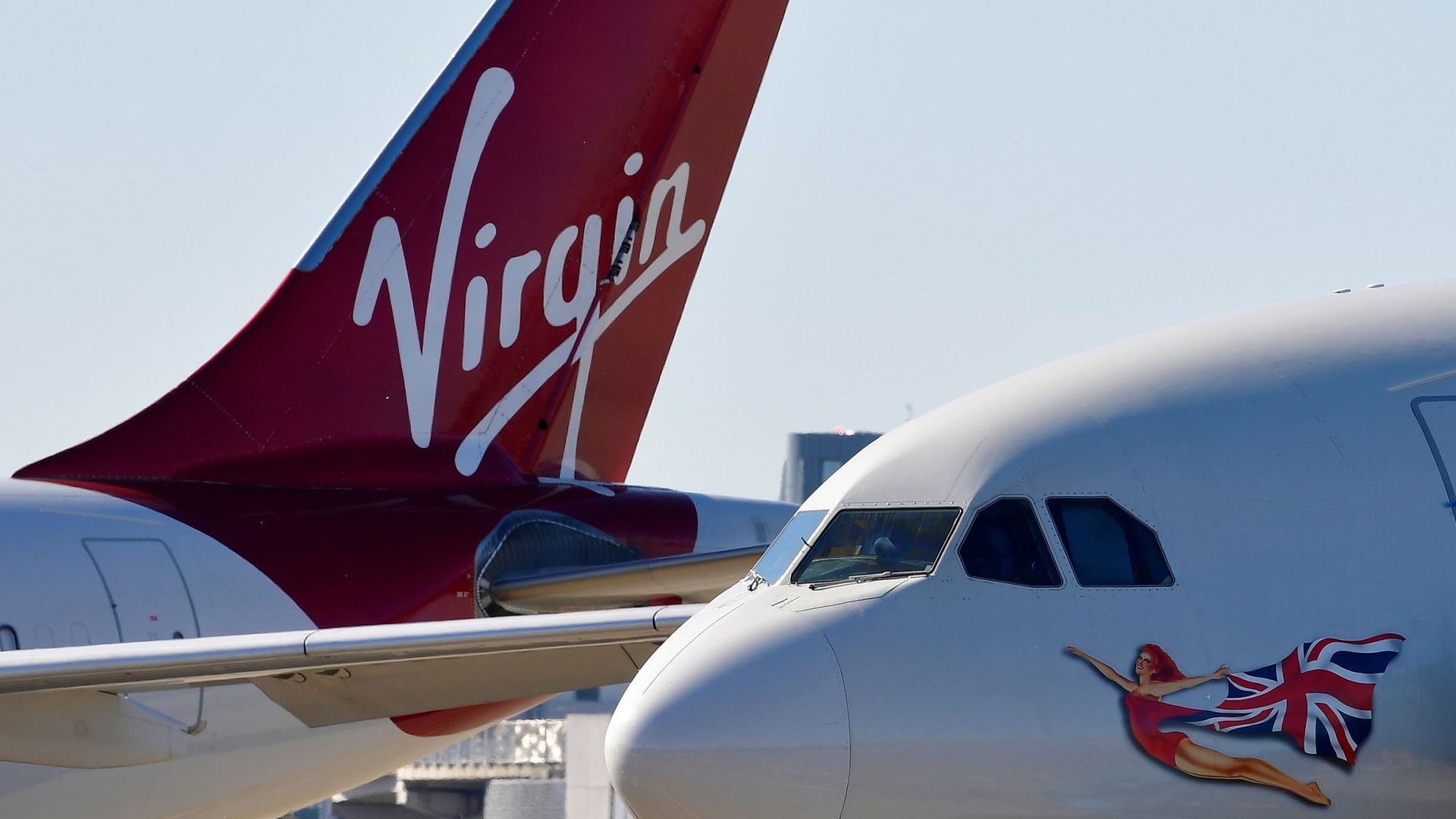
The ongoing conflict in the Middle East, now entering its 11th week, has triggered a cascade of travel disruptions that are reshaping how Britons plan their summer holidays. Soaring fuel prices, fears of jet fuel shortages, and increasing flight cancellations have forced many to reconsider traditional travel routes and destinations.
With uncertainty clouding international travel, holidaymakers across the UK share how the crisis is impacting their vacation decisions and how some are adapting by embracing alternative modes of transport.

Why Uncertainty Is Putting Holiday Bookings on Hold
Raffaele Brancati, 77, a retired resident of Wiltshire, summed up the mindset of many when he said, “There’s too much uncertainty to book a holiday.” Raffaele and his wife, Linda, 78, had planned to visit relatives in Italy or enjoy a trip to Sicily during the summer months. However, they’ve postponed any bookings due to concerns about the ongoing geopolitical tensions.

“The prospect of a permanent ceasefire still seems distant,” Raffaele explained. “Booking flights now feels risky. Cancellations or sudden changes could leave us stranded or facing unexpected costs.”

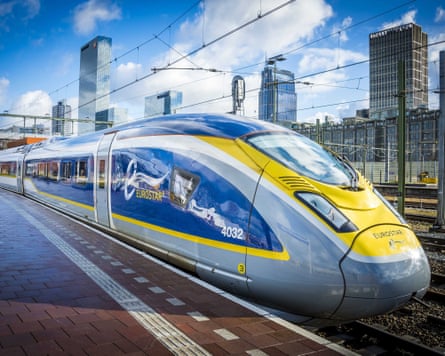
The couple is now considering a staycation within the UK or possibly travelling by train via Eurostar later in the summer. “We’re disappointed because we needed a break, especially after my wife’s recent health issues,” Raffaele said. “But in perspective, it’s nothing compared to what people directly affected by the conflict are enduring.”


Rising Costs and Disruptions Prompt Travel Shifts
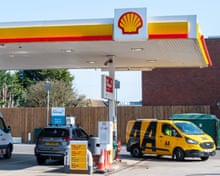
Danie Jones, a senior administrator from East Anglia, faced a similar dilemma. She and her husband had planned two trips: a June visit to friends in Rotterdam and Munich, and an August holiday to Gdańsk. Initially, they intended to drive to the first destination, but escalating fuel prices and reports of shortages across Europe forced them to rethink.

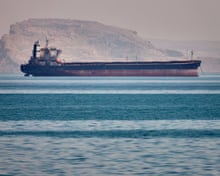
“When news about the potential closure of the Strait started circulating, we worried about finding fuel during the journey,” Danie said. “Driving would have been prohibitively expensive.”
Now, the couple plans to travel by train to Rotterdam, viewing it as a more relaxed and economical option. “It’ll be fun, and my husband won’t have to worry about driving the long distances,” she added.
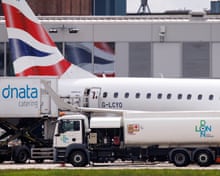
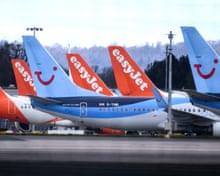
However, they decided to cancel their Gdańsk trip altogether after airlines began cancelling flights. Their friend in Gdańsk has caregiving responsibilities that limit flexibility, making the risk of being stranded unacceptable.
Danie reflected on the broader impact: “Global events have made travel more uncertain, but they’ve also introduced us to new experiences like long-distance train travel in Europe.”
Overland Adventures as a Response to Flight Uncertainty
Phil and Alison Cantor from rural north Essex took a proactive approach to avoid the pitfalls of flight cancellations. Their dream holiday—a luxury cruise in Norway, including several nights in Oslo and a scenic train journey through Flåm to Bergen—was booked months ago, with significant non-refundable deposits.

As reports of jet fuel shortages and potential flight cancellations surfaced, the Cantors grew concerned about losing their investment. Their insurer confirmed that disruptions linked to the conflict would not be covered, classifying the situation as an “indirect act of war.”
In response, they devised a complex overland route: Eurostar to Paris, an overnight coach, and a ferry through Denmark—ensuring they could still reach Norway without flying.

“What started as a panic has turned into an exciting new adventure,” Phil shared. “We’re calling it our ‘race across the world.’ It might even add to the holiday experience.”

Despite the challenges, Phil hopes for a peaceful resolution to the conflict. “There are far worse things happening than holiday disruptions,” he acknowledged.

Choosing Rail Travel Over Driving to Beat Rising Costs
Ash, 33, from London, initially planned a driving and camping trip in France’s Alsace region after competing in an ultramarathon. However, surging fuel prices forced a complete overhaul of their plans.

“Flying to Zurich and hiring a car was too expensive,” Ash explained. “I expected train travel to be out of reach financially, but was pleasantly surprised.”
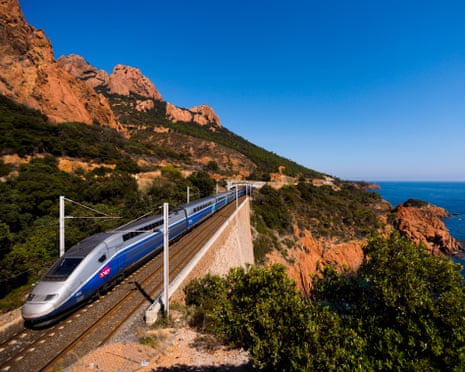
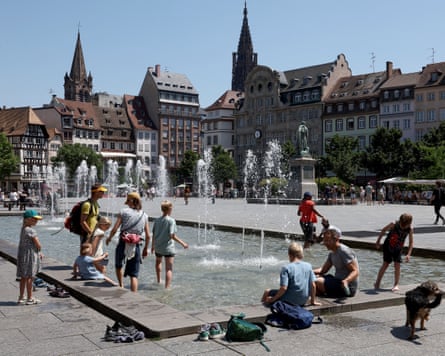
Ash discovered a London-to-Strasbourg rail journey via Eurostar to Paris and then the TGV, costing around £230 return and taking under six hours. In contrast, driving—including fuel and Eurotunnel fees—would have cost approximately £450, a 30% increase from prewar estimates.
While camping was off the table, Ash now looks forward to a city break in Strasbourg after their race.
“I’m excited for a stress-free train journey without worrying about fuel costs, and it feels good to reduce my carbon footprint compared to flying,” Ash said.
What This Means for British Holidaymakers
The war in the Middle East has ripple effects far beyond the region, profoundly impacting travel logistics and costs worldwide. For British holidaymakers, the crisis has introduced a new layer of complexity to planning summer getaways, with fuel prices and flight reliability top of mind.
Many are pivoting toward more sustainable and reliable travel options like rail, which offers a blend of affordability, flexibility, and environmental benefits. Others are opting for domestic holidays or combining multiple transport modes to safeguard their plans against sudden disruptions.
As global tensions persist, these adaptations highlight the resilience and creativity of travellers who refuse to let geopolitical turmoil cancel their well-deserved breaks.
While no one can predict how the situation will evolve, one thing is clear: the traditional landscape of holiday travel is shifting, and Britons are finding innovative ways to navigate the new normal.