When Alex Hughes discovered her sister’s staggering monthly alcohol bills through food delivery services, she launched a campaign that could reshape how these platforms operate. Alex’s sister, Zoe, spent up to £1,500 a month ordering alcohol via popular apps like Deliveroo, Just Eat, and Uber Eats. This alarming trend culminated in Zoe’s tragic death, prompting calls for urgent reform.
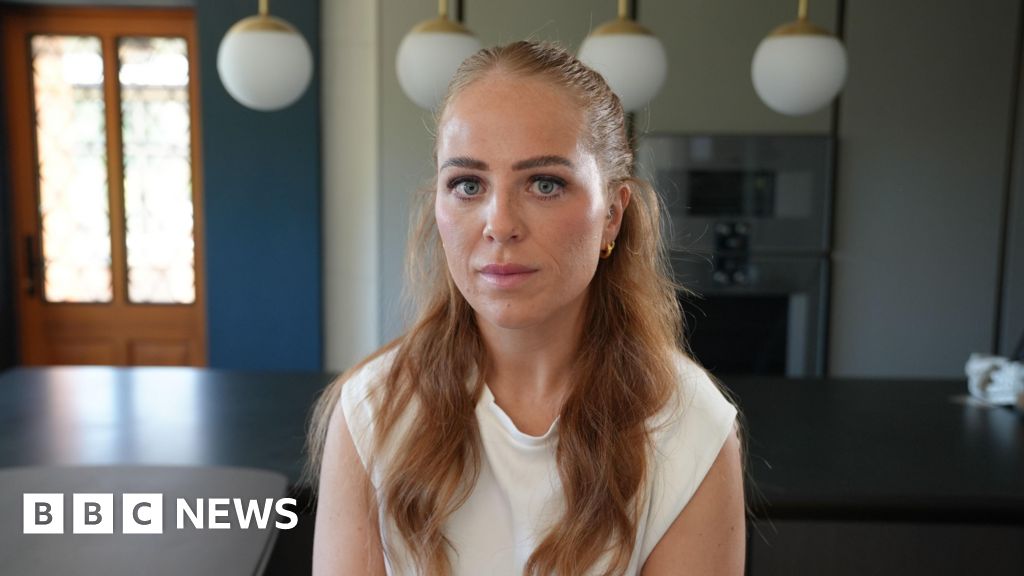
The Tragic Story Behind the Petition
Zoe, aged 35, lived in Lincoln and was described by her sister Alex as someone who was “full of life” and deeply devoted to her children. Yet behind this vibrant exterior, Zoe’s struggle with alcohol escalated dramatically. According to Alex, Zoe routinely spent between £1,000 and £1,500 each month on alcohol delivered straight to her door through multiple food delivery apps.
The devastating turning point came when Zoe suffered fatal injuries after a fall down the stairs at her home. Authorities believe alcohol intoxication played a significant role in the accident. Grieving and determined to prevent similar tragedies, Alex launched a petition demanding a ban on alcohol sales through delivery apps.
Food Delivery Apps Under Scrutiny
The rapid growth of on-demand delivery services has transformed how consumers access food and drink, but it has also raised serious concerns about the ease of obtaining alcohol without adequate safeguards. Companies like Deliveroo, Just Eat, and Uber Eats have become major players in the alcohol delivery market, offering quick, convenient access to drinks at any time.
In response to concerns, these companies emphasize that they operate strictly within existing laws and promote responsible delivery. They state that customer accounts can be suspended or blocked if suspicious activity or concerns arise. Nevertheless, critics argue that current measures are insufficient, especially given the potential for harmful drinking patterns to develop unchecked.
Calls for Government Action and Enhanced Regulation
Alcohol Change UK, the charity behind the well-known Dry January campaign, has joined forces with campaigners like Alex to press the government for stronger controls. They advocate for more rigorous verification processes and tighter restrictions on alcohol sales via rapid delivery apps to protect vulnerable individuals.
The government has acknowledged the growing debate and is reviewing how existing licensing laws apply to these new alcohol delivery models. This review aims to balance consumer convenience with public health and safety, ensuring that the ease of access does not fuel increased alcohol-related harm.
Experts warn that without effective regulation, the combination of alcohol availability and the instant gratification of delivery apps could exacerbate addiction and lead to more tragedies similar to Zoe’s.
Why This Matters: The Broader Impact of Easy Alcohol Delivery
Zoe’s story is a poignant example of a wider social issue: the intersection of technology, alcohol consumption, and public health. As delivery apps continue to proliferate, millions of consumers gain unprecedented access to alcoholic beverages at all hours, often without robust age or consumption checks.
This convenience can inadvertently enable excessive drinking, especially for individuals struggling with addiction or mental health challenges. The lack of stringent controls risks normalizing harmful drinking behaviors and increasing alcohol-related injuries, hospitalizations, and deaths.
Campaigners stress that responsible regulation is essential to safeguard communities, protect families, and support those vulnerable to alcohol dependency. The petition led by Alex Hughes symbolizes a growing demand for accountability from both the government and private companies profiting from alcohol sales.
Looking Ahead: The Future of Alcohol Sales and Delivery
The push for reform highlights a critical juncture in how society manages alcohol consumption in the digital age. As policymakers consider new licensing frameworks, the challenge will be to create effective safeguards without stifling innovation or consumer choice.
For now, Zoe’s legacy fuels a vital conversation about the hidden dangers lurking behind the convenience of app-based alcohol delivery. The hope is that her story will inspire meaningful change that saves lives and promotes healthier communities.
Full details on potential regulatory changes have not yet been announced, but the momentum behind these campaigns signals a shift toward greater scrutiny and control of alcohol sales through delivery platforms.