

The captain of a Russian tanker, part of a covert “shadow fleet,” detained by British authorities, now faces formal charges for breaching international sanctions. This legal action underscores the UK’s intensified efforts to enforce sanctions amid ongoing geopolitical tensions.
What Happened: Detention and Charges
British law enforcement arrested the captain of the Russian tanker amid allegations that the vessel was involved in activities violating sanctions imposed on Russia. These sanctions aim to restrict Russia’s ability to engage in certain maritime trade, particularly in the energy sector, following the country’s actions in global conflicts.
The tanker, believed to be part of a “shadow fleet,” operates discreetly to circumvent these restrictions by disguising its identity or cargo details. The UK’s detention of this vessel and its captain represents a critical enforcement step against such covert operations.
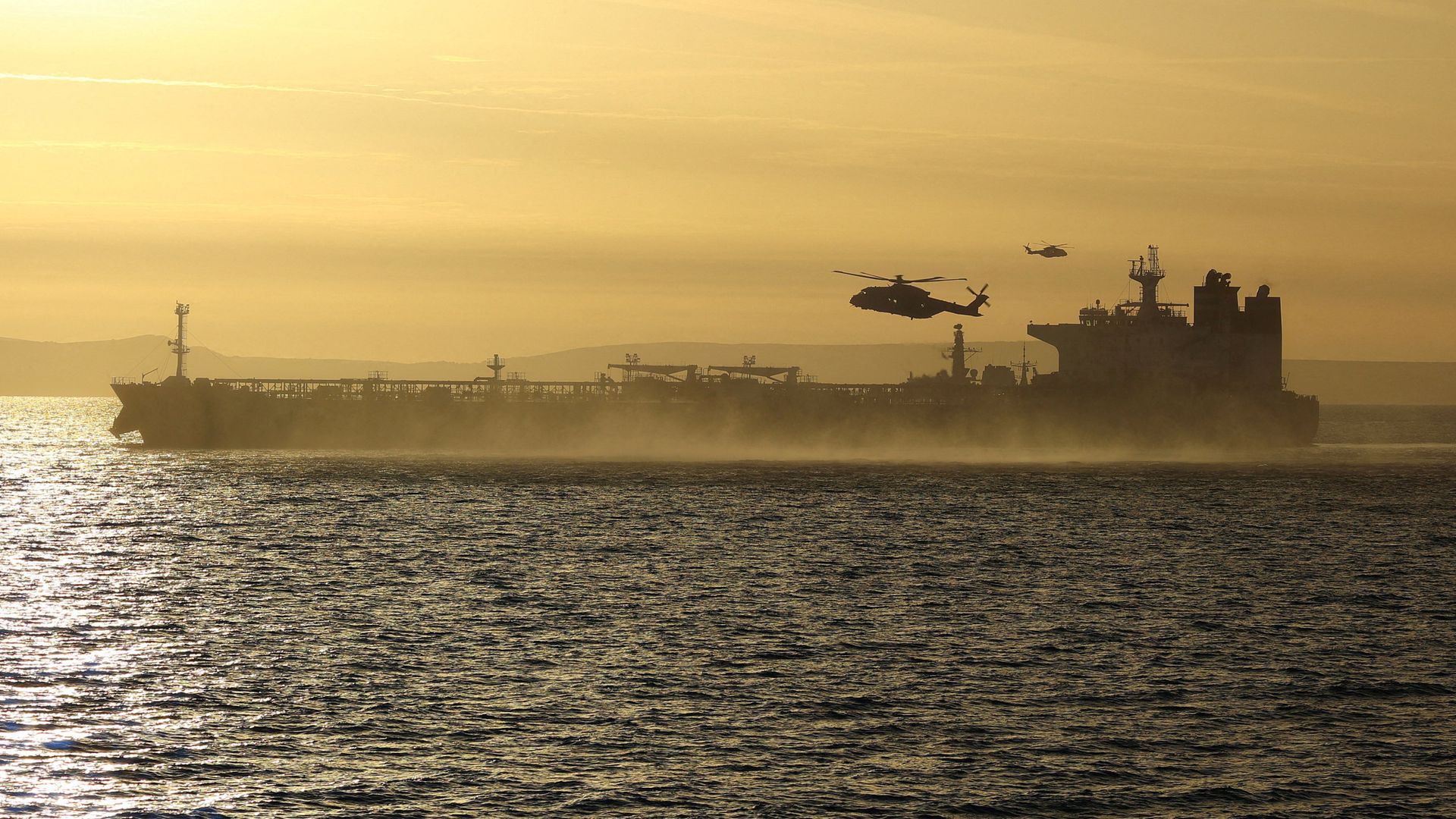
The charges specifically relate to contraventions of the sanctions regime, which may include unauthorized transportation of sanctioned goods or falsification of shipping documents. Details about the specific nature of the alleged offenses have not been fully disclosed, but the move signals the UK government’s commitment to holding individuals accountable under these regulations.
Understanding the Shadow Fleet and Sanctions Enforcement
The “shadow fleet” refers to a network of ships that often operate under false flags or obscure ownership to evade sanctions. These vessels play a significant role in allowing sanctioned nations, like Russia, to continue exporting commodities such as oil and gas despite international restrictions.
Since the escalation of sanctions following Russia’s military engagements, countries like the UK have prioritized identifying and intercepting these vessels. The detention of this tanker captain is part of a broader crackdown designed to disrupt illicit shipping practices that undermine global sanctions regimes.
Experts highlight that targeting key individuals, such as captains and ship operators, is crucial for effective enforcement. By charging the captain, authorities aim to deter others from participating in or facilitating sanction violations.
Why This Matters: Implications for Maritime Security and International Law
This case has far-reaching implications for maritime security and international diplomacy. Sanctions serve as a non-military tool to pressure states to comply with international norms, and ensuring their enforcement maintains the credibility of these measures.
The UK’s decisive action sends a strong message to other operators within the shadow fleet that evading sanctions will carry significant legal consequences. This deterrent effect is vital to curbing the flow of sanctioned goods, which can finance conflict and undermine peace efforts.
Moreover, the case highlights the complexity of policing global shipping lanes, where vessels frequently change names, flags, and ownership to obscure their activities. It underscores the need for international cooperation and advanced tracking technologies to monitor and enforce compliance effectively.
What Comes Next: Legal Proceedings and Future Enforcement
The captain will face a judicial process in the UK, where the evidence against him will be examined. The outcome could set important legal precedents for how maritime sanctions violations are prosecuted.
In parallel, the UK and its allies are expected to continue enhancing their surveillance and enforcement capabilities to identify shadow fleet vessels and personnel involved in sanction breaches. This ongoing vigilance is essential to uphold the integrity of international sanctions and maritime law.
As global tensions persist, cases like this highlight the critical role of maritime law enforcement in maintaining the rules-based international order and preventing illicit trade that funds conflict.
Takeaway: Upholding Sanctions Through Maritime Enforcement
The detention and charging of the Russian tanker’s captain mark a significant milestone in the UK’s efforts to enforce sanctions against Russia’s shadow fleet. By holding individuals accountable, authorities reinforce the message that illegal circumvention of sanctions will not be tolerated.
This development also illustrates the challenges and importance of policing the vast and complex maritime domain. Effective enforcement not only restricts prohibited trade but also supports broader international security objectives.
As the legal process unfolds, stakeholders worldwide will closely watch this case, recognizing its potential to influence future sanctions enforcement and the fight against illicit maritime activities.