

The fierce rivalry between Celtic and Rangers, known as the Old Firm, has once again taken a troubling turn. Following violent disturbances during their recent Scottish Cup quarter-final clash at Ibrox Stadium, the Scottish Football Association (SFA) has mandated that both clubs must play their upcoming home Scottish Cup fixtures behind closed doors.
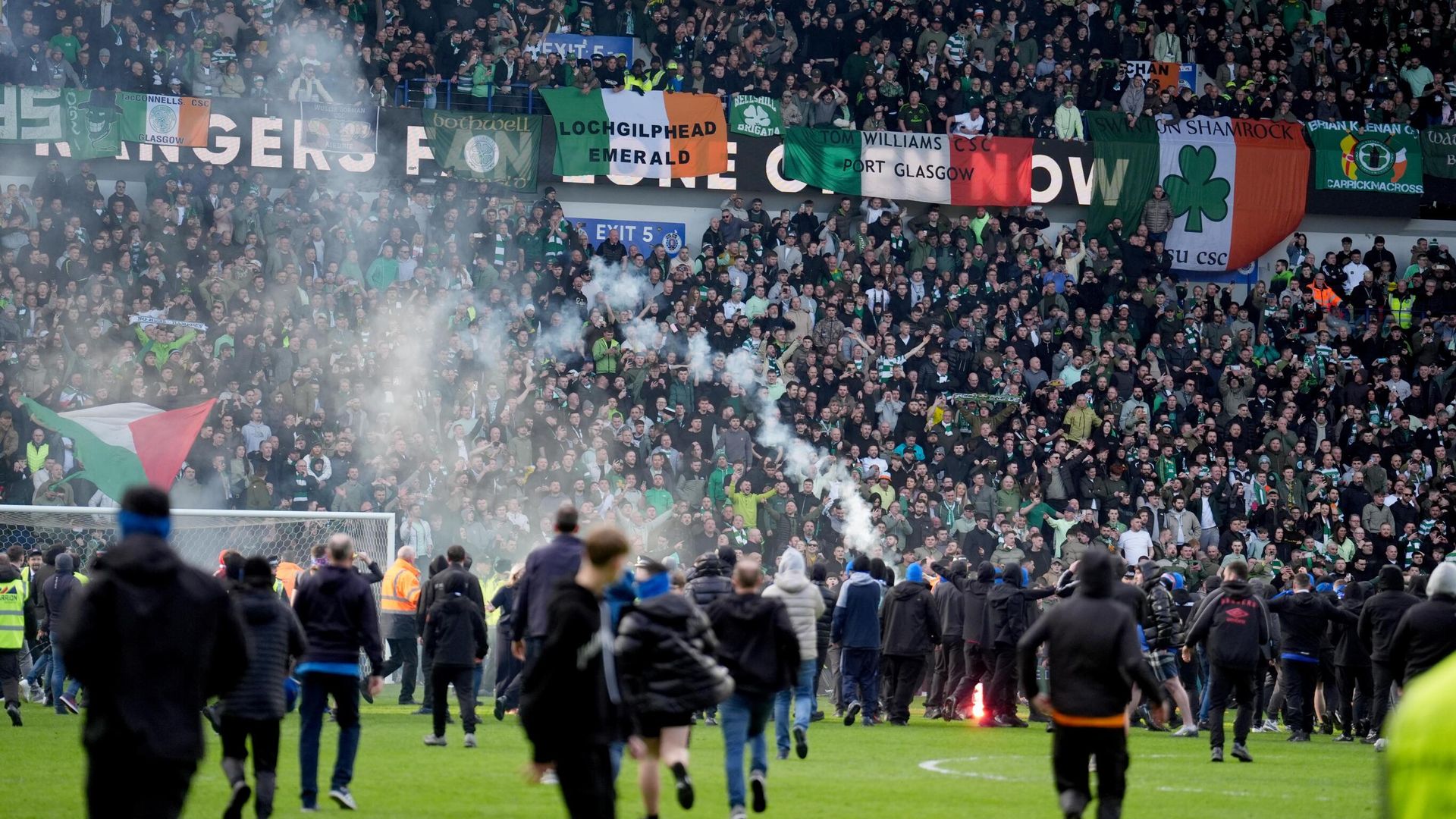
What Happened During the Old Firm Quarter-Final?
The intense rivalry between Celtic and Rangers is one of the most famous and fiercely contested in world football, often extending beyond the pitch. Their quarter-final encounter at Ibrox was no exception, but this time, fan violence overshadowed the match itself.
Reports from the game detailed several clashes between supporters, involving pitch invasions and confrontations with police. These incidents disrupted the flow of the match and raised serious concerns about safety and crowd control at such high-stakes fixtures.
While the match concluded with the players focused on the game, the off-field chaos marred the occasion and prompted swift action from governing bodies.
Why the Closed-Door Sanction Matters
Playing home matches without fans is one of the severest punishments a football club can face. The SFA’s decision to enforce this measure on both Celtic and Rangers underscores the gravity of the situation and the association’s commitment to curbing hooliganism.
This sanction affects the atmosphere, club finances, and community engagement. Both teams rely heavily on passionate fan support during crucial Scottish Cup fixtures, and empty stands can dampen player morale and diminish the matchday experience.
Financially, clubs stand to lose significant revenue from ticket sales, concessions, and merchandise sold on matchdays. Given that Old Firm matches consistently attract large crowds, the economic impact could be substantial.
Moreover, the sanction sends a clear message to fans and other clubs about the consequences of disorderly conduct. It reflects an ongoing effort by Scottish football authorities to promote safety, respect, and sportsmanship in the game.
What Comes Next for Celtic, Rangers, and Scottish Football?
Both clubs now face the challenge of preparing for their next Scottish Cup home matches without the benefit of fan support in the stands. This test will reveal how players and coaching staff adapt to the altered environment and pressure.
Beyond the immediate impact, this incident sparks a broader conversation about fan behavior, policing, and club responsibility. Both Celtic and Rangers have extensive programs aimed at improving supporter conduct, but this episode highlights the persistent challenges in managing one of football’s most passionate and sometimes volatile fan bases.
Scottish football authorities may also consider further measures to prevent similar disturbances, including enhanced security protocols and stricter penalties for individuals involved in violence.
Why This Matters
The Old Firm rivalry is a cornerstone of Scottish football culture, encapsulating decades of history, pride, and identity for millions of fans. However, when violence and disruption take center stage, the sport’s integrity suffers.
Enforcing closed-door matches emphasizes the responsibility clubs and supporters have to uphold safe and respectful environments. It also reflects the SFA’s dedication to preserving football as a unifying force rather than a source of division.
Ultimately, this situation serves as a critical reminder that passion for the game must never cross the line into disorder and danger. The coming weeks will be crucial in setting the tone for the remainder of the Scottish Cup and for the future conduct of the Old Firm rivalry.
Full details on the duration of the closed-door sanctions and any additional disciplinary measures have yet to be released by the SFA.