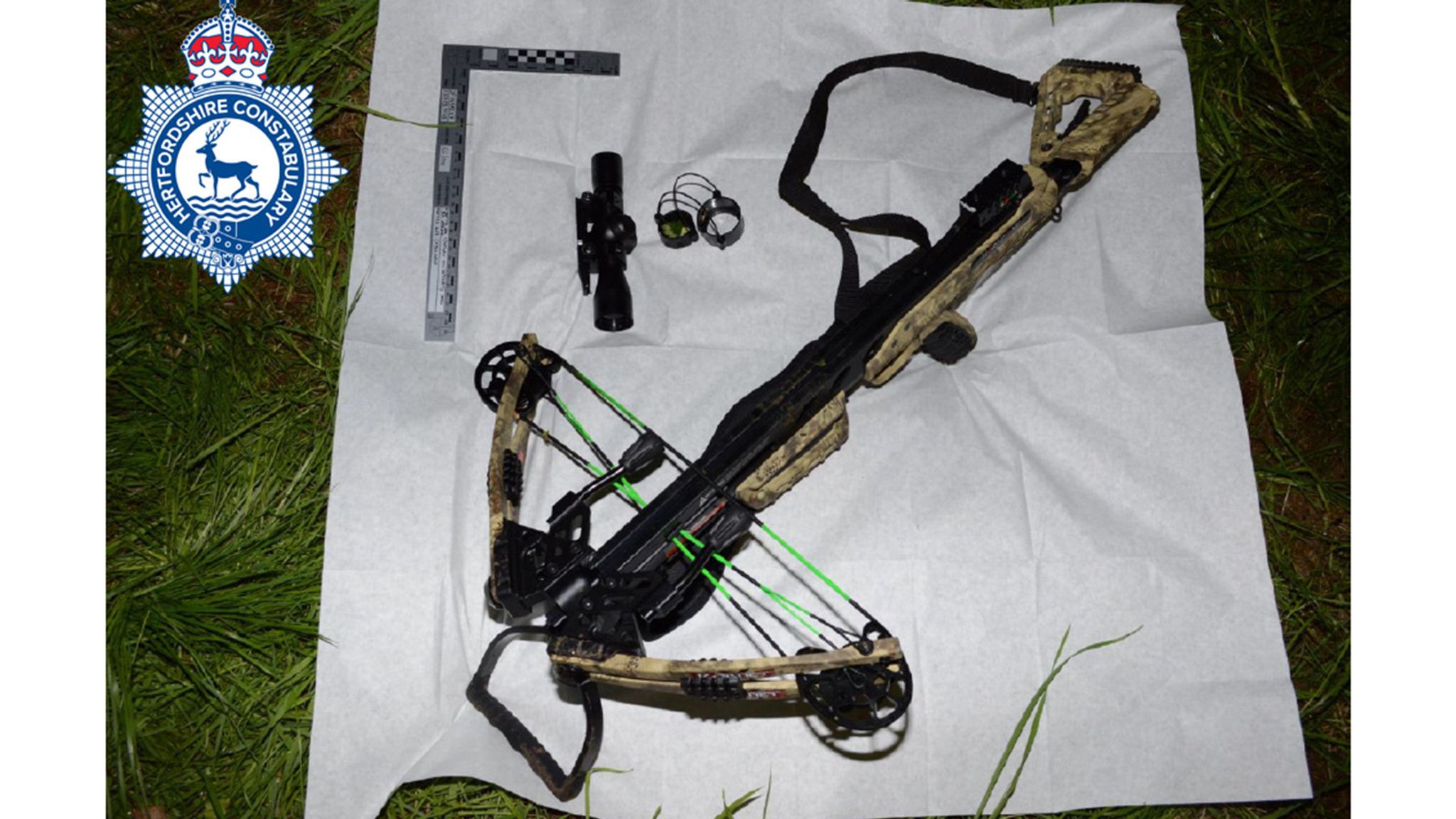
The UK government has announced a sweeping ban on the sale of crossbows and hunting arrows following a spate of violent incidents involving these weapons. Alongside the sales ban, existing crossbow owners will be required to obtain licences under the new regulations, marking a significant shift in how crossbows are controlled in the country.
What Sparked the New Crossbow Ban?
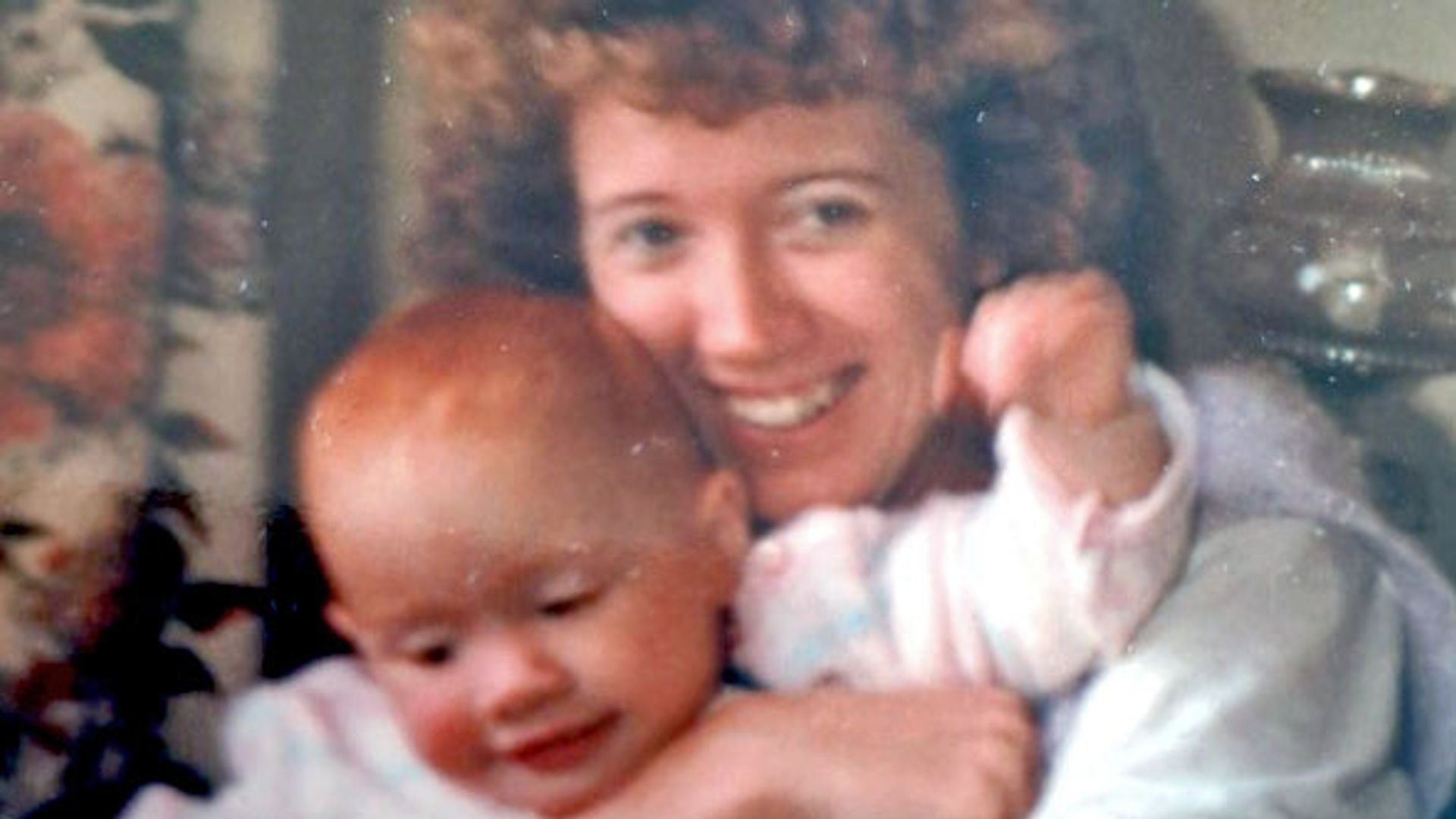
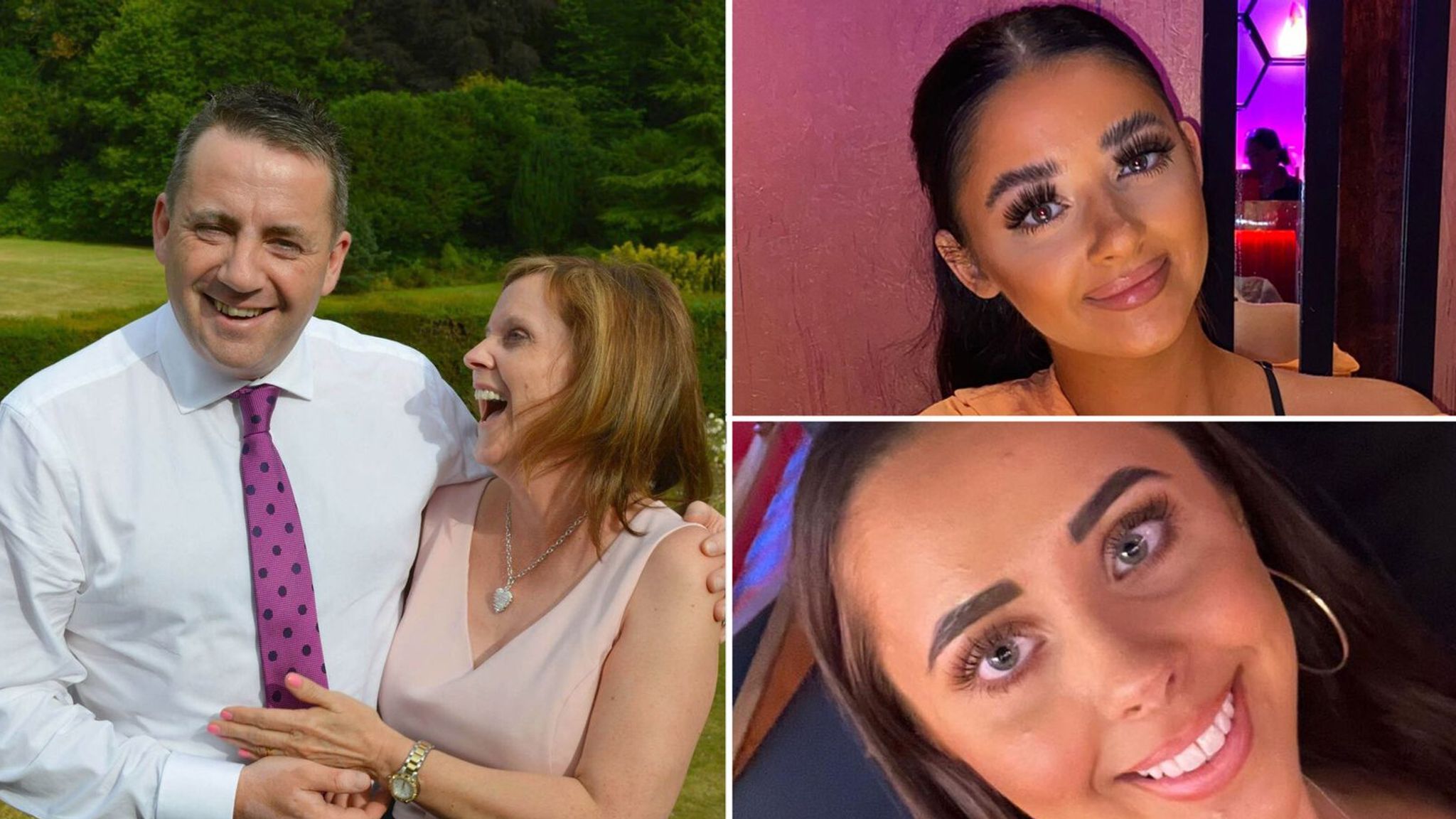
The decision to impose a ban comes in the wake of a horrific crossbow and knife attack in July 2024, which claimed the lives of three members of the Hunt family in Bushey, Hertfordshire. Kyle Clifford, 26, was sentenced to a whole-life order after murdering his ex-partner Louise Hunt, 25, along with her sister Hannah Hunt, 28, and their mother Carol Hunt, 61. The crime shocked the nation and intensified calls for tighter regulation on crossbows.

Currently, crossbows are unregulated in terms of ownership registration, despite their lethal potential. While it is illegal for children to buy or possess a crossbow and carrying one in public without a valid reason can lead to a prison sentence of up to four years, there is no comprehensive licensing system in place. Sky News investigations revealed that crossbows remain easily accessible for purchase online, raising concerns about public safety.
Government Response and Public Concerns
The Home Office has launched a public consultation on the proposed ban and licensing requirements after receiving numerous responses highlighting how simple it is to acquire crossbows. This review was initially prompted by a chilling incident involving an attempted assassination of the late Queen Elizabeth II. In December 2021, Jaswant Singh Chail tried to infiltrate Windsor Castle armed with a loaded crossbow. He was convicted of treason and threatening to kill the Queen, receiving a nine-year prison sentence along with an extended licence period.
Laura Sugden, an advocate for crossbow regulation whose partner was killed in a 2018 crossbow attack, welcomed the government’s announcement. Shane Gilmer, her partner, was fatally shot by a neighbour wielding a crossbow in Southburn, East Yorkshire. Sugden described the current system as one that “failed to recognise the risks” associated with easy access to such weapons.
“We are relieved and grateful to see that there will be new controls introduced and see that the government is committed to banning the sale of crossbows as well as licensing those in existence,” Sugden said. “For years, we have argued that it was far too easy for people to obtain these lethal weapons. Shane lost his life because of a system that failed to recognise the risks.”
Crossbow Violence and Calls for Stricter Controls
Crossbow attacks have become a growing concern in the UK. In October 2023, a public inquiry into the Southport mass stabbing uncovered that the perpetrator, Axel Rudakubana, had contacted archery retailers at just 15 years old, requesting crossbows be delivered in “discreet” packaging. This incident occurred two years before he carried out his deadly attack at a Taylor Swift-themed dance class.
In another 2024 case, convicted stalker Bryce Hodgson was shot dead by police after he broke into a London home armed with several weapons, including a crossbow. These events have amplified public and governmental awareness about the dangers posed by unregulated crossbow ownership.
What This Means for Crossbow Owners and the Public
The proposed ban and licensing scheme represent a landmark shift in the UK’s approach to crossbow regulation. If enacted, the measures will close loopholes that currently allow easy access to these weapons without oversight. Existing owners will need to register and obtain licences, while sales of new crossbows and hunting arrows will cease. The government’s consultation process aims to balance public safety with responsible ownership, ensuring that crossbows cannot be used as tools for violent crime.
Ultimately, this move signals a broader commitment to preventing tragedies like those experienced by the Hunt family and others affected by crossbow violence. It reflects a growing recognition of the need to tighten controls on weapons that can cause serious harm but have historically escaped strict regulation.
Looking Ahead
As the consultation progresses, the government will consider public feedback before finalizing the legislation. This process is critical to shaping effective policies that protect communities while respecting lawful use of crossbows for sport and hunting under regulated conditions. For victims’ families and advocates, the announcement brings hope that future tragedies involving crossbows can be prevented through stronger legal safeguards.
Full details of the licensing framework and ban enforcement are yet to be released, but this landmark initiative marks a decisive step toward curbing crossbow-related violence in the UK.