

A major cyberattack has compromised the personal information of approximately 8.7 million customers after targeting three prominent UK airports, including Manchester and Stansted. This breach raises significant concerns about data security within the aviation industry and the potential risks faced by millions of travelers.
Details of the Cyberattack and Affected Airports
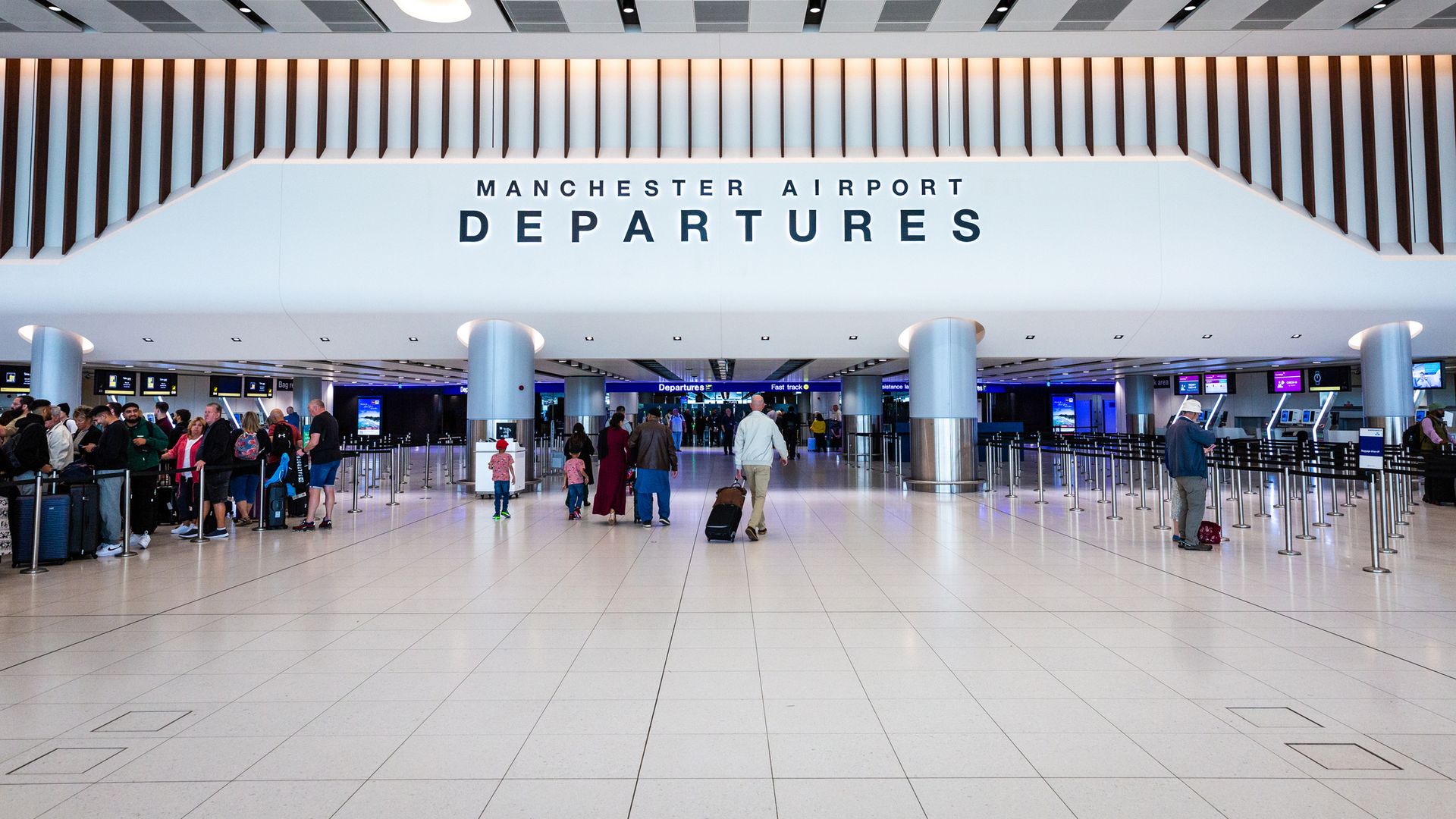
The attack struck the digital infrastructure of three airports in the United Kingdom, notably Manchester Airport and Stansted Airport, two of the country’s busiest travel hubs. These airports serve millions of passengers annually, making this breach particularly alarming. The third airport involved has not been publicly disclosed, but the scale of the incident suggests broad implications for airport cybersecurity.
Hackers infiltrated systems containing sensitive customer data, including names, contact details, and potentially more private information tied to travel bookings and transactions. The total number of affected individuals stands at around 8.7 million, indicating a vast pool of compromised data that could be exploited for identity theft, fraud, or other malicious activities.
Why This Breach Matters: Implications for Travelers and Airports
Cybersecurity in the aviation sector is critical, given the volume of personal data airports collect and manage daily. The breach exposes vulnerabilities in how airports protect customer information and underscores the growing threat cybercriminals pose to essential public infrastructure.
Travelers whose data has been stolen face increased risks of phishing scams, fraudulent activities, and identity theft. The breach could also disrupt airport operations if further cyberattacks follow, potentially affecting flight schedules and passenger safety measures.
For the airports themselves, this incident represents a serious reputational challenge. Customers expect their personal data to be safeguarded rigorously, and failure to do so can erode public trust and invite regulatory scrutiny. Authorities may now demand stricter cybersecurity protocols and more transparent reporting mechanisms from airport operators.
What Comes Next: Response and Prevention Efforts
In response to the attack, the affected airports have initiated investigations to determine the extent of the breach and to secure their systems against further intrusion. They are working alongside cybersecurity experts and law enforcement agencies to trace the perpetrators and mitigate potential damage.
Travelers impacted by this breach should remain vigilant. Experts recommend monitoring financial statements for unauthorized transactions, being cautious with unsolicited communications, and updating passwords regularly. Additionally, enrolling in identity theft protection services can provide an extra layer of security.
This incident highlights the urgent need for airports and related industries to invest heavily in advanced cybersecurity measures. Regular system audits, employee training on cyber threats, and robust encryption techniques are essential to defend against increasingly sophisticated cyberattacks.
Looking Ahead: Strengthening Cybersecurity in Aviation
The cyberattack on Manchester, Stansted, and the unnamed third airport serves as a stark reminder that no organization is immune to digital threats. As airports continue to digitize operations and handle vast amounts of sensitive data, the stakes for cybersecurity rise exponentially.
Moving forward, industry-wide collaboration and information sharing will be vital. Airports, airlines, government bodies, and cybersecurity firms must work together to develop resilient defenses and rapid response strategies. Only through coordinated efforts can the aviation sector protect travelers and maintain the integrity of critical infrastructure.
Ultimately, this breach is a wake-up call to enhance vigilance, prioritize cybersecurity investments, and foster a culture of proactive defense against cybercrime in the transportation industry.